Executive Summary:
In stainless steel fabrication, "heat tint"—that rainbow spectrum of yellow, blue, and purple marks near a weld or grind zone—is more than just an aesthetic defect. It is a sign of metallurgical damage.
For distributors and production managers, these stainless steel burn marks represent a significant cost leak. They require labor-intensive rework (pickling or regrinding) and, if ignored, lead to catastrophic corrosion failure in the field.
This guide explains the science behind thermal damage and details how to prevent it through the correct selection of abrasive consumables and operational techniques.
.jpg)
Stainless steel is "stainless" because of a thin, invisible layer of Chromium Oxide that protects the iron beneath from rusting.
When you grind stainless steel, friction generates intense heat. If the temperature exceeds approximately 400°C (750°F), the chromium layer thickens and changes the way light reflects, creating visible colors. This area is known as the Heat Affected Zone (HAZ).
The Critical Risk: In the blue/purple zones, the chromium has been depleted from the surface. The steel is no longer "stainless" in that spot and will rust if the discoloration is not removed.
Why does one operator produce a perfect finish while another leaves burn marks? It usually comes down to three variables:
Many operators believe "pushing harder" removes metal faster.
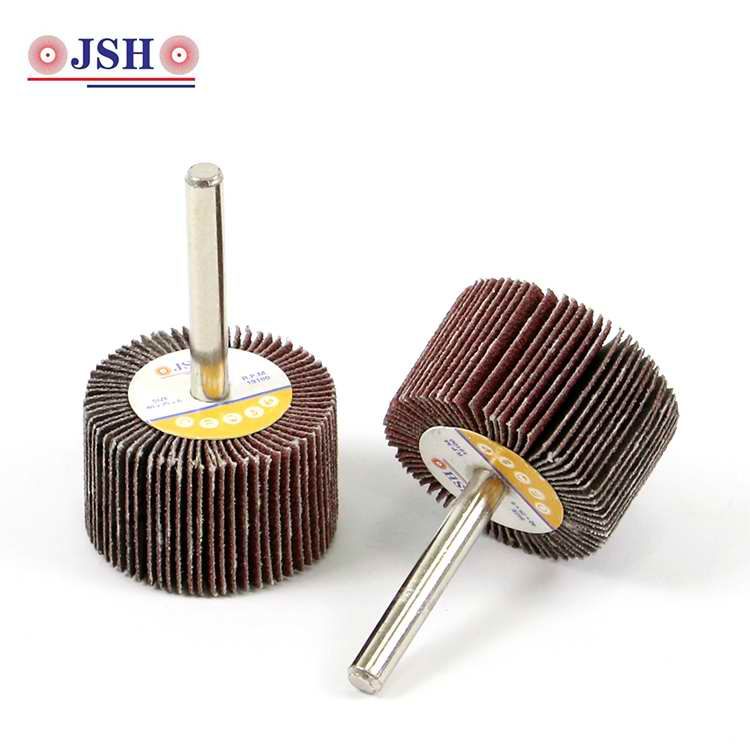
Stainless steel has low thermal conductivity; it holds onto heat rather than dissipating it. Running a flap wheel at the maximum rated RPM (e.g., 11,000 RPM on a 125mm grinder) generates friction faster than the metal can cool.
Using a worn-out flap wheel or a low-quality Aluminum Oxide wheel on stainless steel is disastrous. When grains become dull, they rub instead of cut. This "rubbing" converts kinetic energy directly into heat discoloration.
To solve heat issues at the source, procurement managers must select abrasives engineered specifically for stainless steel.
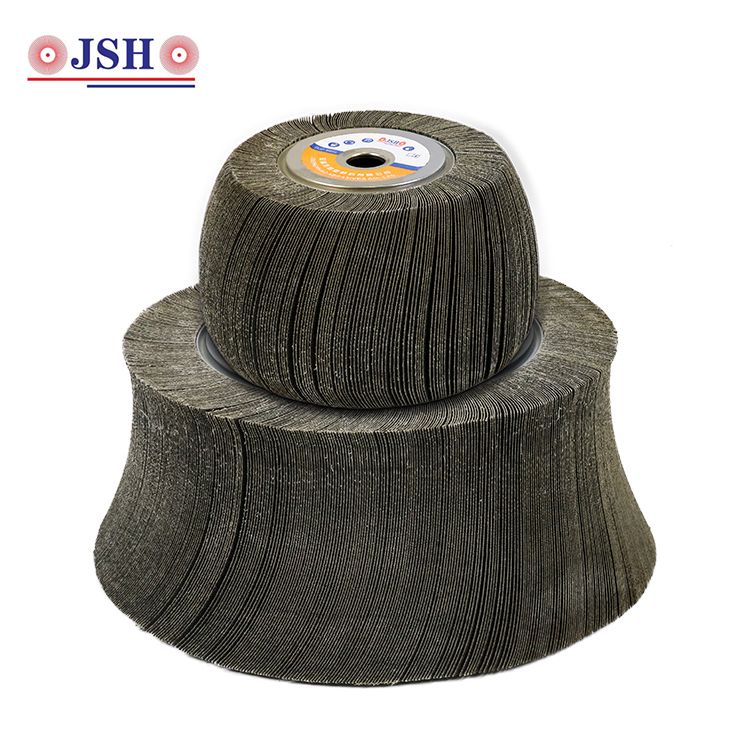
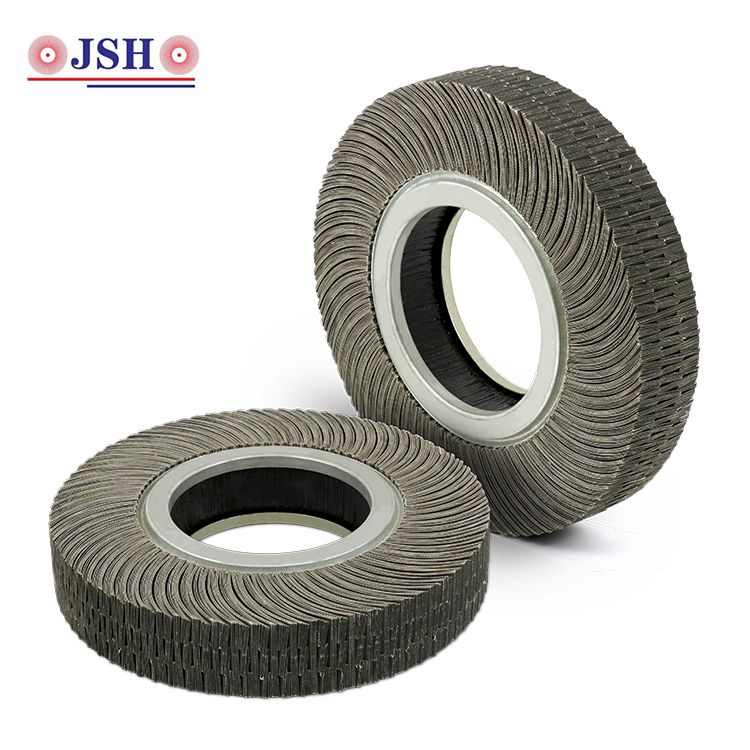
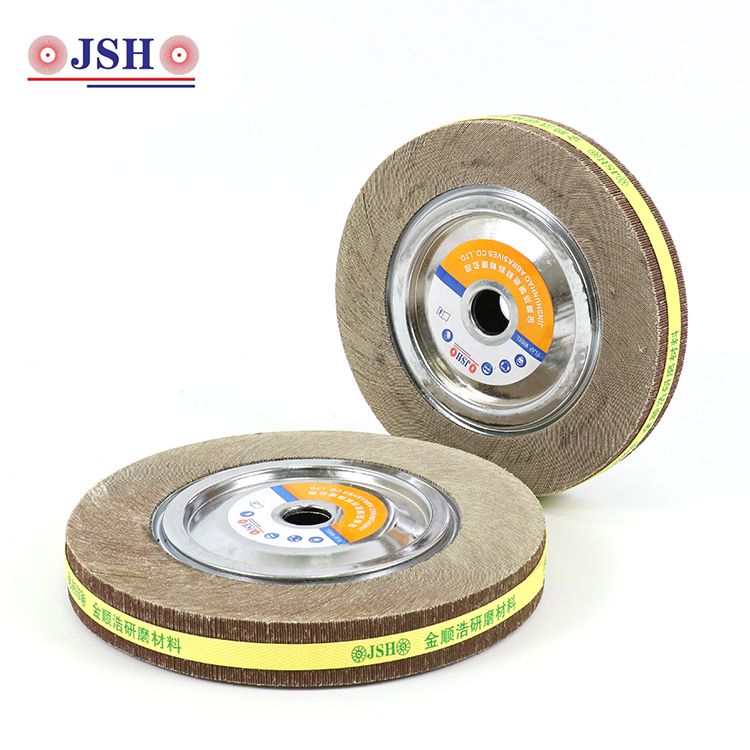
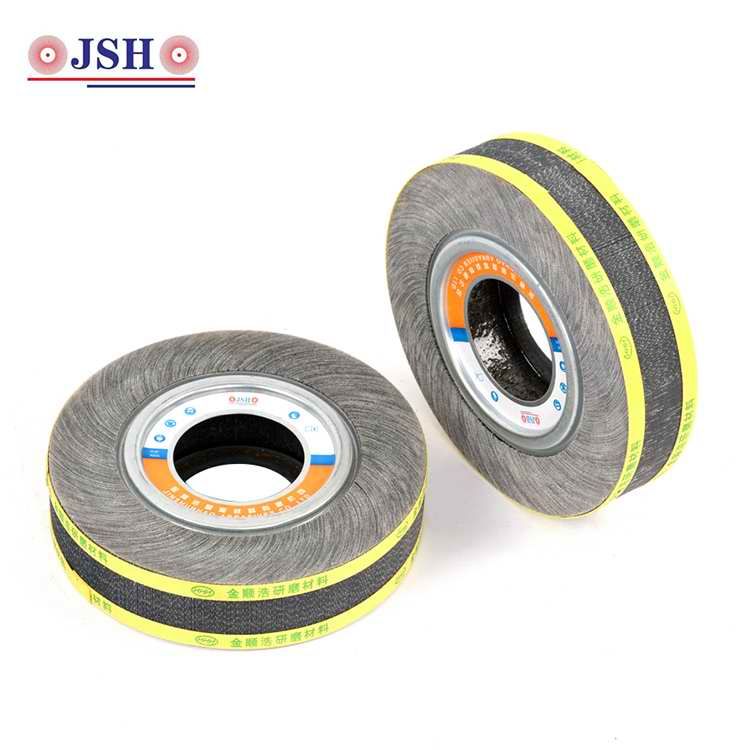
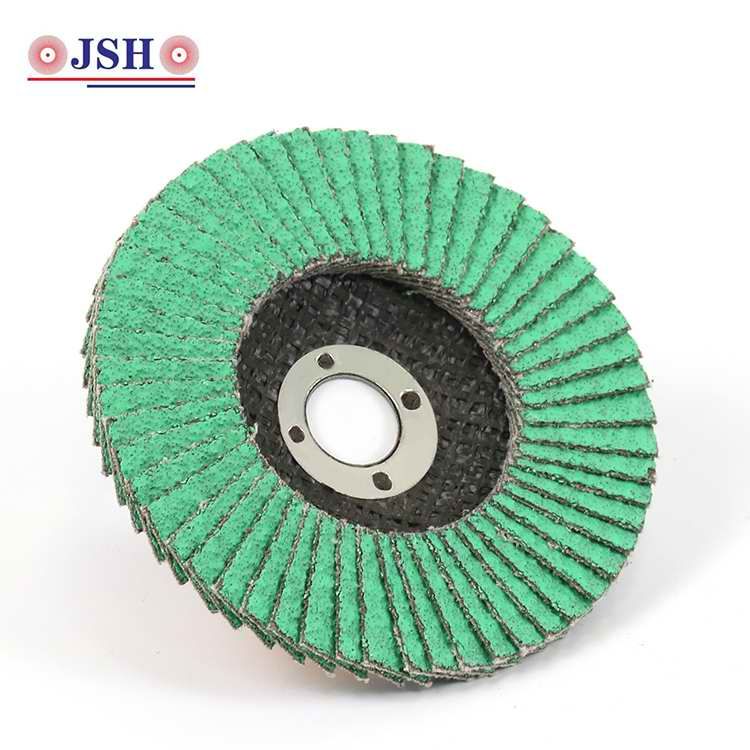
Look for flap wheels that feature a supersize coating (often called a "top coat" or "grinding aid").
Even the best wheel can burn metal in the hands of an untrained operator. Implement these protocols to reduce the Heat Affected Zone:
Using the wrong angle reduces the contact area, increasing pressure per square inch and generating heat spots.
Never dwell in one spot. Use long, sweeping strokes to distribute the heat across a larger area. Stationary grinding allows heat to penetrate deep into the metal substrate.
Apply pressure for a few seconds, then lift off to let the air flow cool the metal.
If using a variable speed grinder, drop the speed to 5,000 - 7,000 RPM. This is the "sweet spot" for stainless steel, balancing material removal with thermal control.
If heat discoloration has already occurred, you cannot simply polish over it. You must remove the damaged layer to restore corrosion resistance.
Preventing heat tint is not just about aesthetics; it is about protecting the structural integrity of the product.
For distributors and factories, the math is simple: High-performance Ceramic Flap Wheels with cooling coatings cost more upfront but save thousands in reduced rework and scrap.
By combining the right "Cool Grinding" abrasives with proper RPM and pressure techniques, you can virtually eliminate thermal damage from your production line.
Q1: Can I use Aluminum Oxide flap wheels on stainless steel?
A: It is not recommended. Aluminum Oxide is too soft and dulls quickly on stainless steel. This leads to "rubbing" rather than cutting, which generates excessive heat and causes immediate burn marks. Always use Zirconia or Ceramic with a cooling top-coat.
Q2: What is the best RPM for grinding stainless steel to avoid discoloration?
A: While wheels are rated for 11,000+ RPM, the optimal speed for stainless steel is typically 5,000 to 7,000 RPM. Lower speeds reduce friction heat while maintaining enough torque to cut effectively.
Q3: Does the "blue" color mean the stainless steel is ruined?
A: It means the corrosion resistance in that specific spot is compromised. If left untreated, it will rust. However, the part is not "ruined" if you mechanically grind off the blue layer or chemically passivate it to restore the chromium oxide surface.
Q4: What is the difference between a "Standard" and "Top-Sized" flap wheel?
A: A standard wheel has abrasive grain and bond. A "Top-Sized" wheel has an additional third layer (often red or green) containing active cooling agents. This layer lubricates the cut and is essential for preventing thermal damage on heat-sensitive metals like stainless.
Q5: Why does my flap wheel stop cutting and start burning after only a few minutes?
A: This is called "glazing." It happens when the abrasive grains get rounded off (dull) or clogged with metal.
For Ceramic/Zirconia Wheels: You may need to increase pressure slightly to fracture the grains and expose new sharp edges (self-sharpening).
For Aluminum Oxide Wheels: The wheel is likely dead. Increasing pressure will only generate more heat. Replace the wheel immediately.