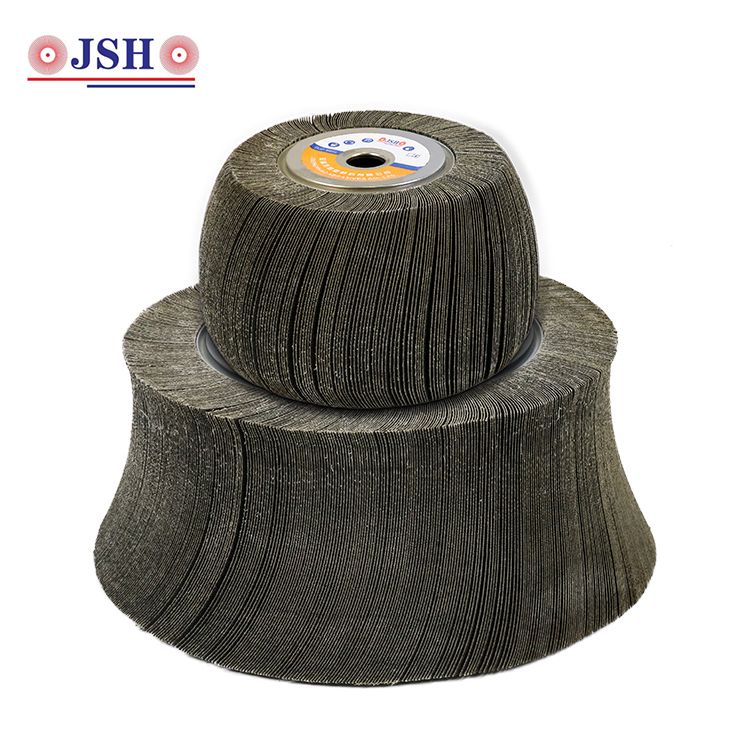
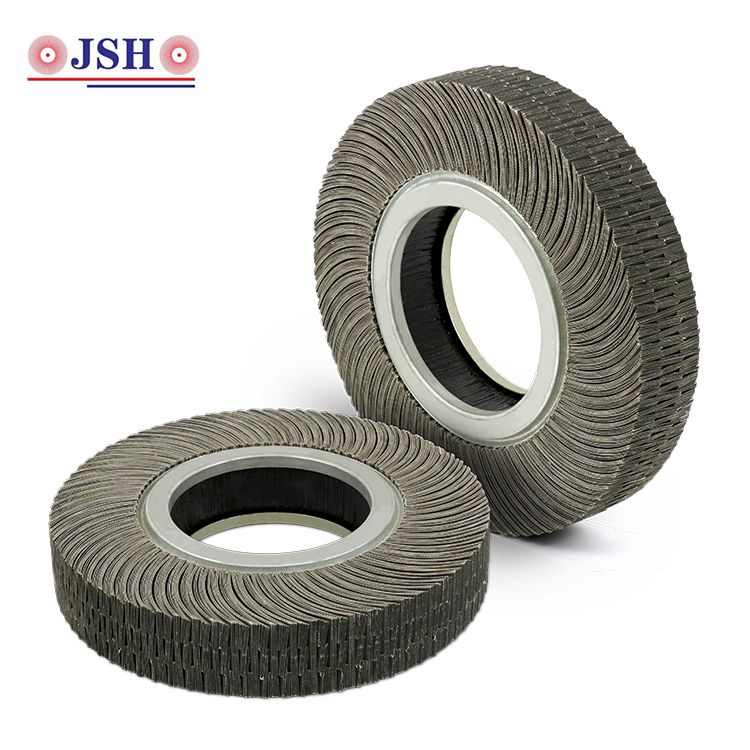
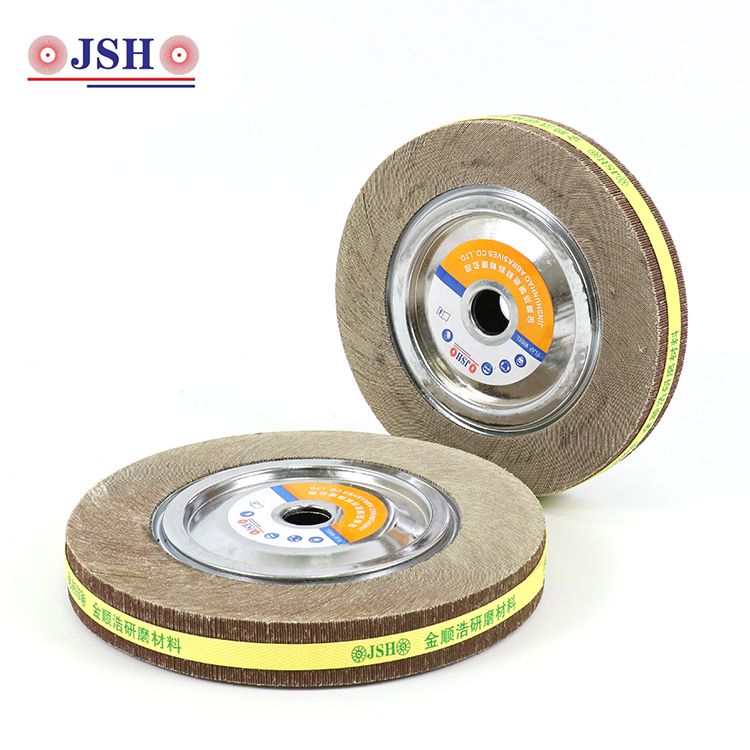
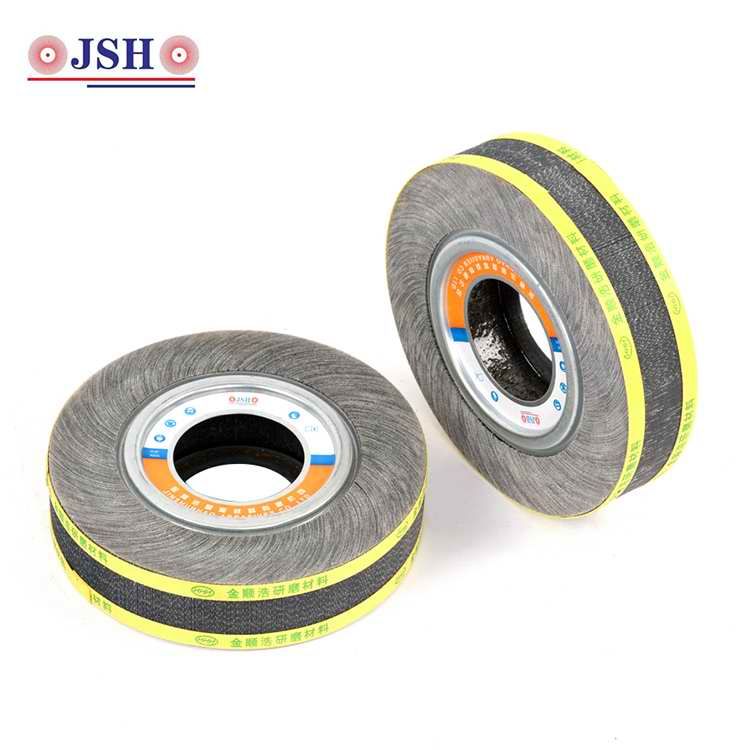
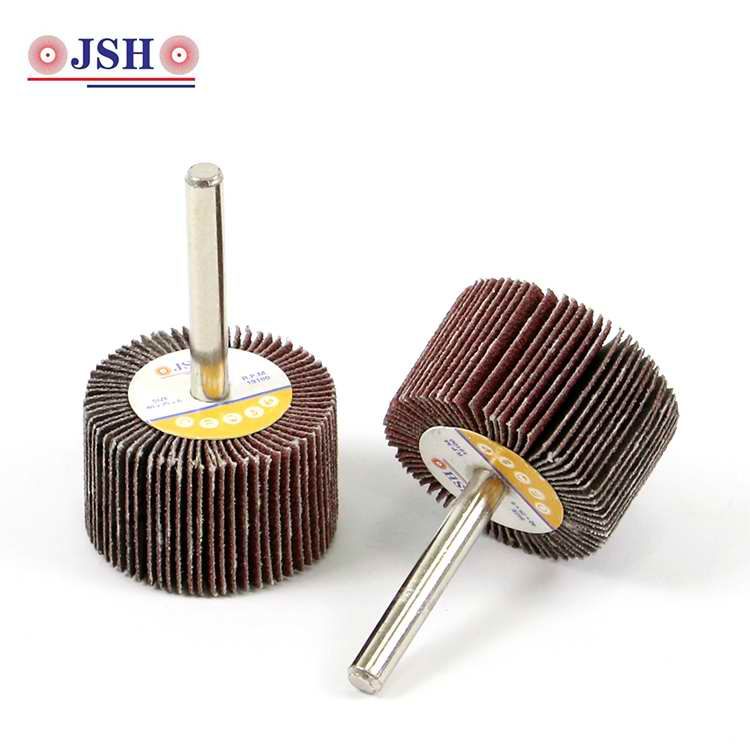
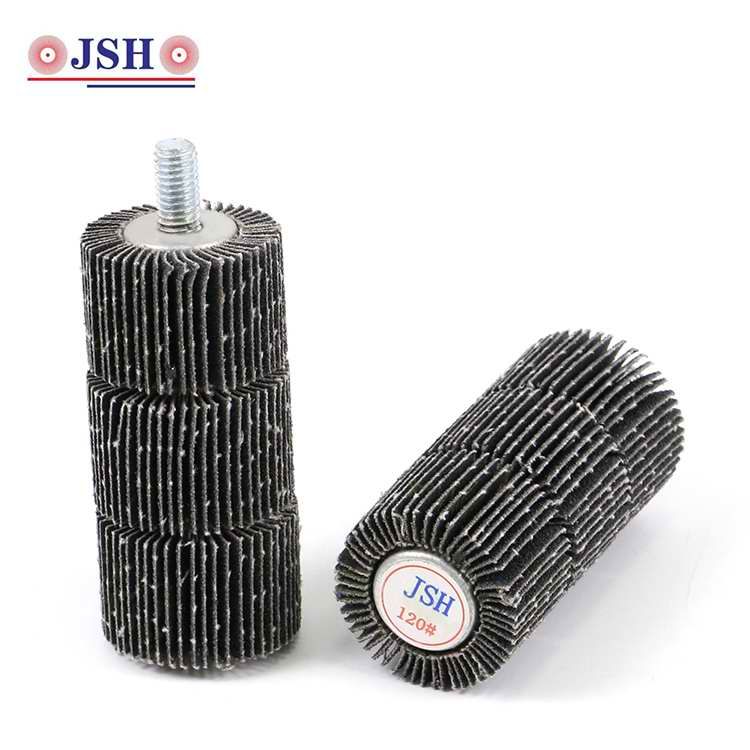
A flap wheel is a cylindrical abrasive tool constructed from multiple overlapping layers of coated abrasive cloth secured to a central rotating hub. This design distinguishes it from other abrasive products and makes it one of the most versatile finishing tools available. Whether undertaking a small DIY project or performing high-volume industrial fabrication, achieving a smooth, polished finish requires the right tool for the job. For metal surfaces, particularly those with complex geometries, the flap wheel is an indispensable asset. This guide provides a comprehensive overview of flap wheel technology, covering its core benefits, selection criteria, primary applications, and professional usage techniques, enabling informed decisions for optimal results.
The effectiveness of a flap wheel lies in its unique structure and the way it interacts with the workpiece. Understanding these core benefits explains why this tool is often preferred over other abrasive alternatives.
Unlike rigid grinding wheels, the individual flaps of a flap wheel act as independent, flexible fingers when rotating. This design allows the wheel to conform to the shape of the workpiece, making it exceptionally effective on contoured, curved, or irregular surfaces. The flaps generate a cutting action as they pass over the material, effectively removing stock while adapting to the surface profile without gouging or altering the geometry of the part.
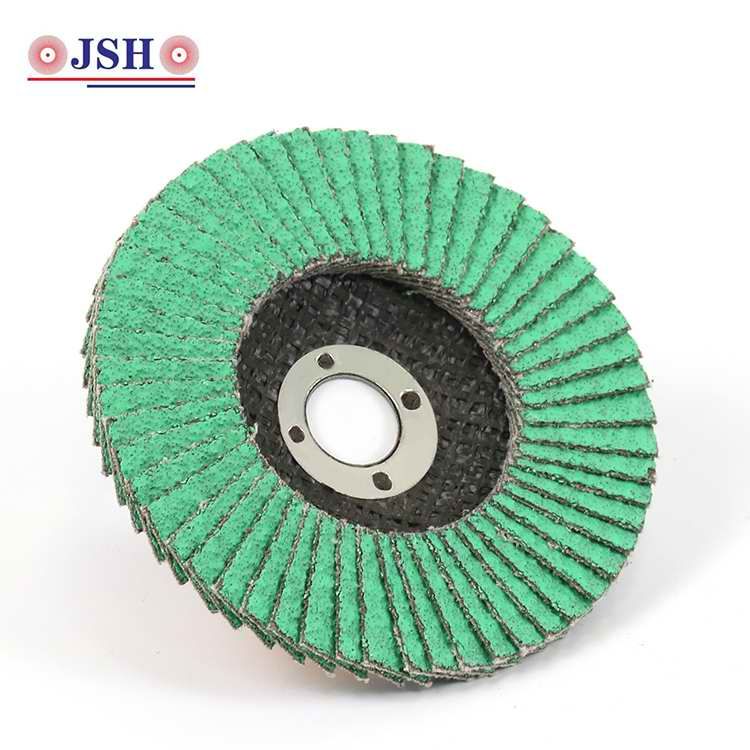
A defining characteristic of the flap wheel is the distinctive linear or brushed surface finish it produces. Unlike a flap disc, which typically leaves a circular or swirl pattern on the workpiece, the cylindrical shape of the flap wheel creates a straight-line scratch pattern that moves with the direction of the tool. This effect is crucial for matching the existing grain on materials like stainless steel sheet or architectural metals, where a consistent, uniform brushed finish is required for aesthetic purposes.
The layered construction of a flap wheel offers a significant advantage in terms of longevity. As the abrasive grains on the outer flaps become dull through use, they fracture or wear away, exposing fresh, sharp abrasive material underneath. This "self-sharpening" property ensures a consistent cut rate and a uniform finish throughout the product’s lifespan. This makes flap wheels considerably more durable than standard sanding discs, which can quickly become clogged or glazed over, requiring frequent replacement.
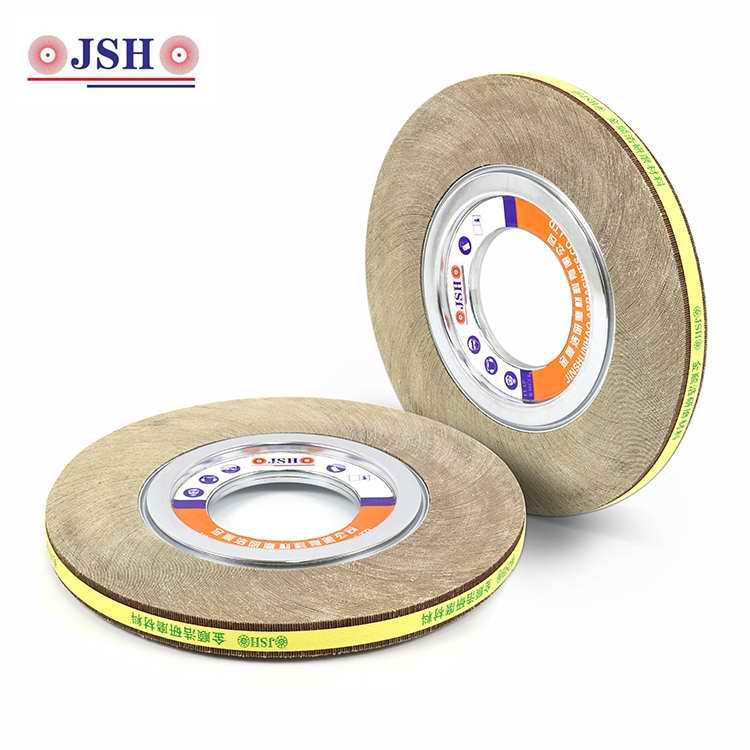
Selecting the correct flap wheel requires careful consideration of several factors, including the workpiece material, the desired finish, and the tool being used. An incorrect choice can lead to poor results, wasted time, and increased costs.
The type of abrasive grain is the primary determinant of a flap wheel’s performance on a given material.
Aluminum Oxide (AO): This is the most common and versatile abrasive. It is a sharp, durable synthetic grain suitable for a wide range of applications, including carbon steel, cast iron, and wood. It offers a good balance of performance and cost for general-purpose use.
Zirconia Alumina (ZA): This grain is tougher than aluminum oxide and features a self-sharpening property that makes it ideal for high-pressure grinding. Zirconia alumina is recommended for challenging applications on hard metals, such as stainless steel and heat-resistant alloys, and is known for its longevity and aggressive cut. It is the preferred choice for professional welders and fabricators.
Silicon Carbide (SiC): This is a very hard, sharp abrasive, though more brittle than others. It is specifically suited for use on non-ferrous metals like aluminum, brass, and copper, as well as on glass, stone, and plastic. It can also be used for finishing operations on certain hard materials.
Grit size directly correlates to the aggressiveness of the cut and the final surface quality.
Coarse Grit (40–60): Used for heavy stock removal, rough shaping, weld leveling, and removing rust or scale. This is the grade for the initial, heavy grinding stage.
Medium Grit (80–120): A general-purpose range for blending, smoothing, and intermediate finishing. This is often the starting point for surface preparation before painting or coating.
Fine Grit (150–320+): Employed for final finishing, fine polishing, and creating a smooth, refined surface. Higher grits are used for achieving a near-mirror finish or preparing surfaces for decorative coating.
Flap wheels are available in a vast array of sizes, from miniature 3/8-inch wheels for intricate work to large 16-inch wheels for production tasks. The diameter and width should be chosen based on the workpiece size and the access required. Mounting types include wheels with integral steel shanks for die grinders, threaded spindles for quick changes, and arbor holes for larger bench or stationary tools. A higher density of flaps per inch generally translates to a longer service life but may result in a slightly more rigid action.
The unique combination of flexibility, durability, and finish quality makes flap wheels suitable for a diverse range of tasks across various industries.
The primary application of a flap wheel is in areas where other tools cannot reach effectively. The cylindrical shape is ideal for finishing the inside of tubes and pipes, deburring the edges of holes, and polishing intricate contours. In metal fabrication, they are invaluable for blending welds in corners and hard-to-access joints, providing a finish that is free of deep scratches or gouges.
Flap wheels are a standard tool in many manufacturing and finishing processes.
Stainless Steel Fabrication: Used extensively for surface grinding and polishing of items such as knives, cutlery, medical tubing, and food-grade pipes. The ability to create a consistent satin or brushed finish is critical in these applications.
Architectural Hardware: Employed for the surface sanding and texturing of products like handles, hinges, and door locks.
Automotive and Specialty: Used in the polishing of aluminum heat sinks, deburring and finishing golf club heads, and other precision applications where surface quality is paramount.
Achieving professional results with flap wheels requires more than just selecting the right tool; it demands proper technique and a strong commitment to safety.
Contact Angle: For optimal material removal and control, maintain the tool at an angle of 15 to 30 degrees to the workpiece surface. A flatter angle increases the contact area for a smoother finish, while a steeper angle is more aggressive.
Pressure Control: It is essential to avoid applying excessive pressure. Flap wheels are designed to cut efficiently based on their speed; too much pressure can lead to premature wear, clogging, and overheating of the workpiece, which can cause discoloration or metallurgical damage, especially in stainless steel. A light, even touch is most effective.
Movement Direction: To achieve a consistent aesthetic finish, move the tool in a smooth, linear motion that follows the existing grain of the metal. Avoid stopping in one place, which creates depressions. Overlap passes by about 30-50% for an even result.
Abrasive tools generate significant hazards, and safety should always be the top priority. Personal Protective Equipment (PPE) is non-negotiable. Operators must wear impact-resistant safety glasses or a face shield, hearing protection, a dust mask or respirator, and cut-resistant gloves to guard against flying debris and dust. During prolonged use, check the wheel regularly for signs of excessive heat, which can damage the bond and lead to wheel failure.
To further clarify its role, the flap wheel can be compared to other common abrasive tools.
| Feature | Flap Wheel | Sanding Disc | Flap Disc |
|---|---|---|---|
| Primary Application | Intricate contours, internal finishing, blending welds in corners | Flat surfaces, rapid stock removal | Versatile: metal shaping, weld blending, heavy rust removal |
| Surface Finish | Linear or brushed texture | Varied, often leaves a circular pattern | Circular or swirl pattern |
| Key Advantage | Conforms to complex shapes, excellent for tubes and tight spots | Cost-effective, very aggressive for initial material removal | Combines grinding and finishing in one tool, durable |
| Typical Use | Finishing stainless steel pipes, intricate hardware, golf heads | Preparing flat wood or metal surfaces for painting | Weld cleaning on angle grinders, automotive bodywork |
The selection and proper use of a flap wheel is a critical decision that directly impacts the efficiency, quality, and cost-effectiveness of any finishing operation. By understanding the nuances of abrasive material, grit size, and correct technique, projects can achieve a superior, professional-grade finish with less effort and greater consistency. For those seeking a reliable source of high-quality abrasive products, JSH Abrasives (Kunshan Jin Shun Hao Abrasives Co., Ltd.) represents a strong choice. With over 20 years of manufacturing experience and a technical foundation originating from Taiwan, JSH Abrasives produces flap wheels that meet rigorous quality standards, backed by ISO 9001 certification. The company offers a comprehensive range of customizable flap wheels suitable for a wide array of applications, from general fabrication to specialized pipe polishing.