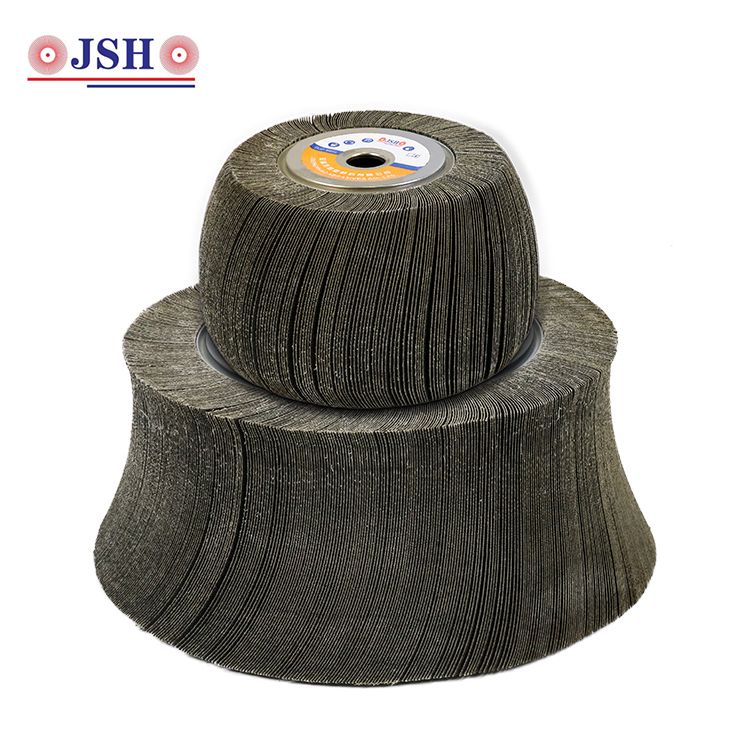
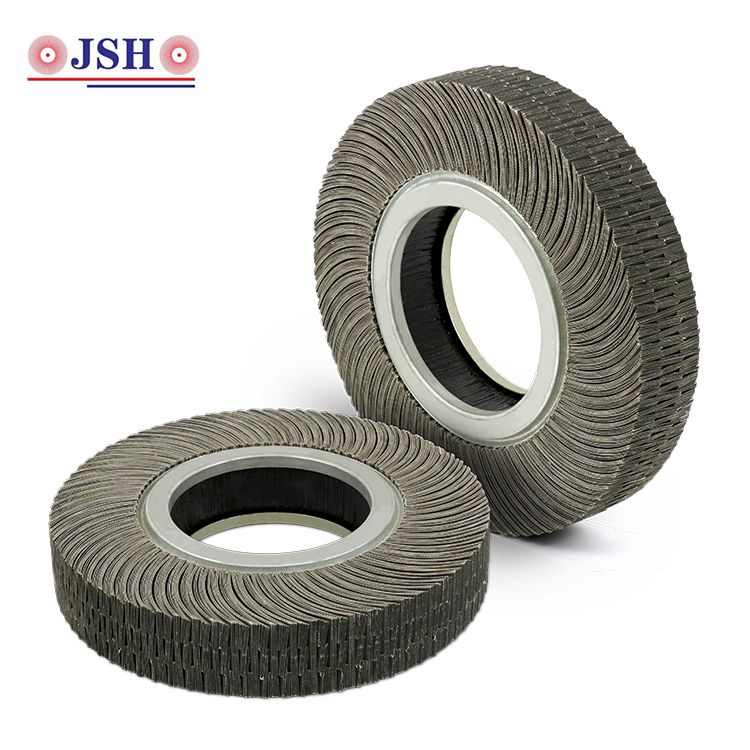
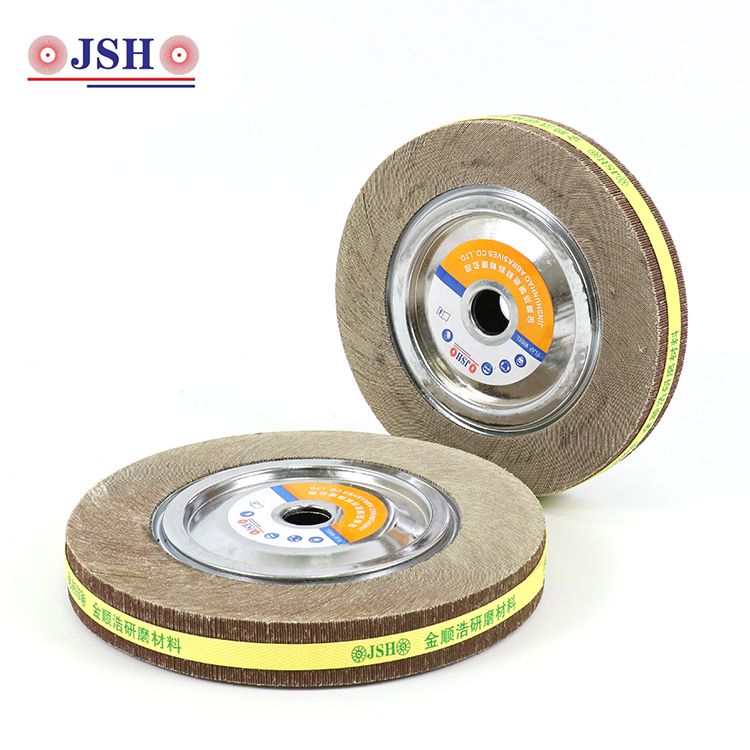
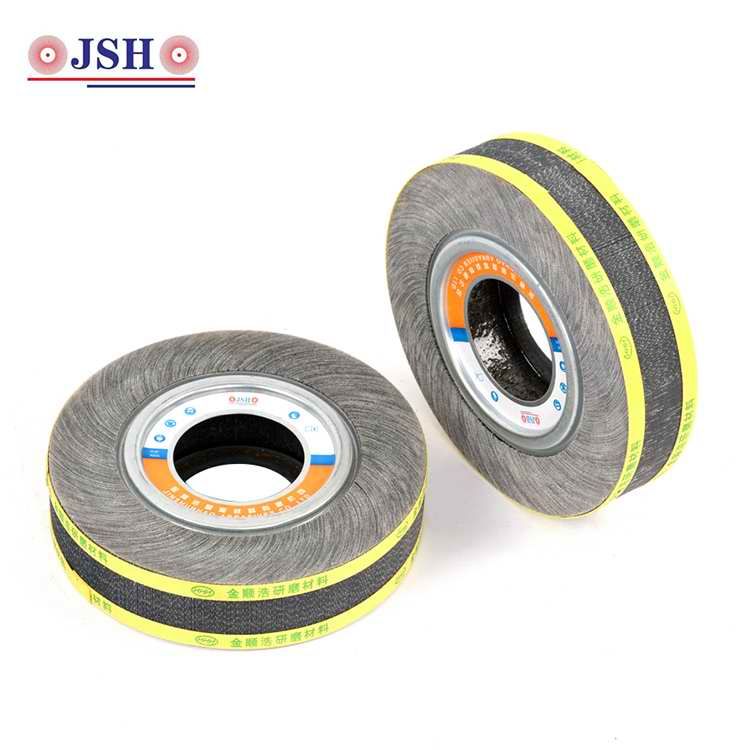
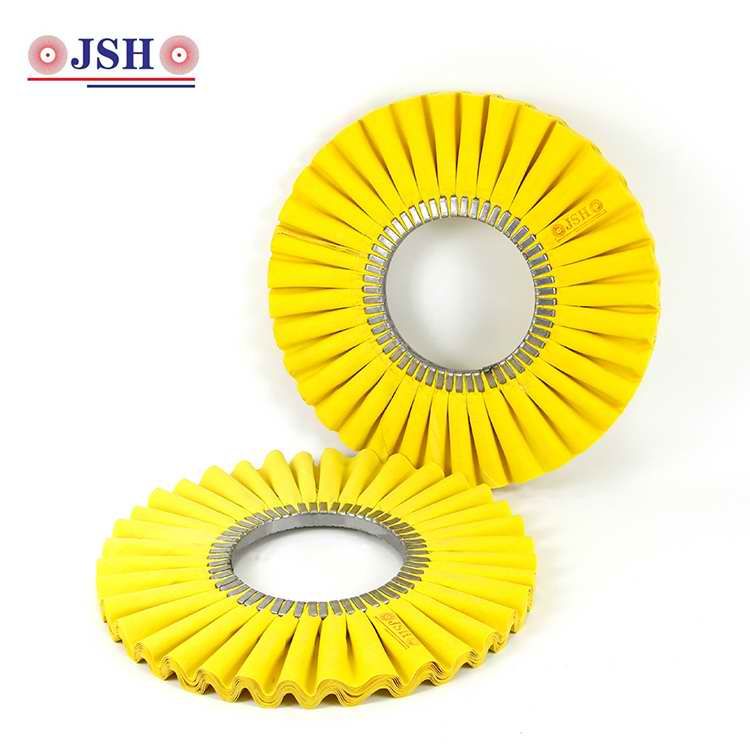
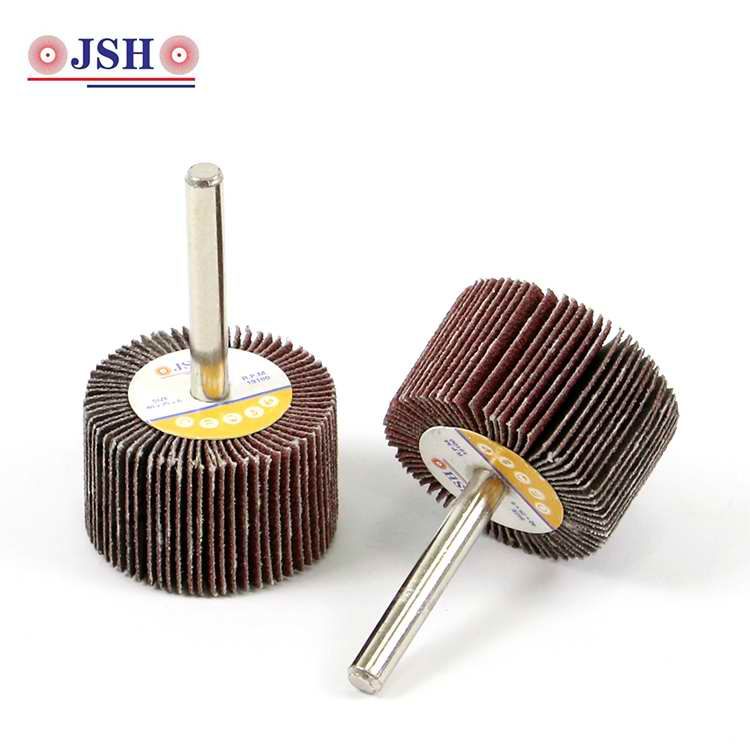
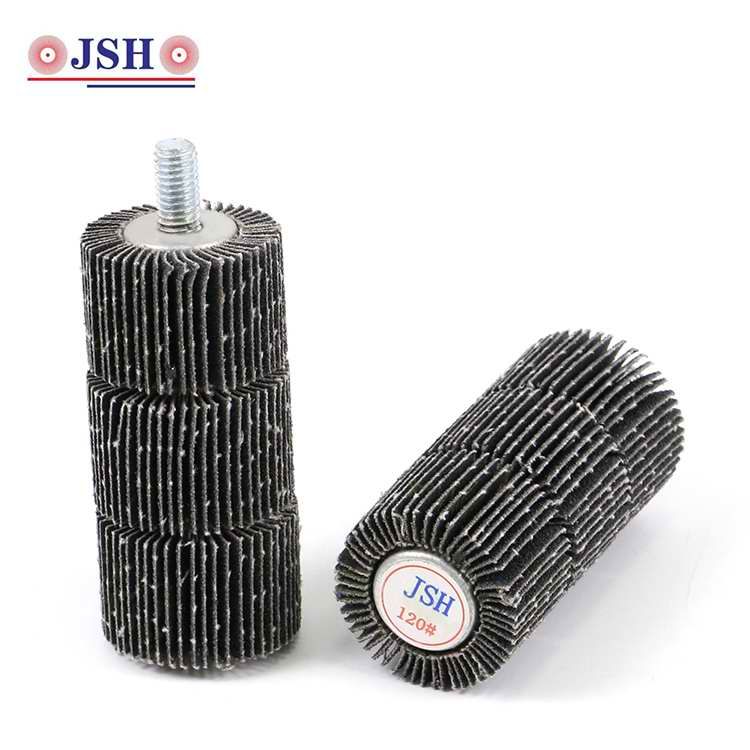
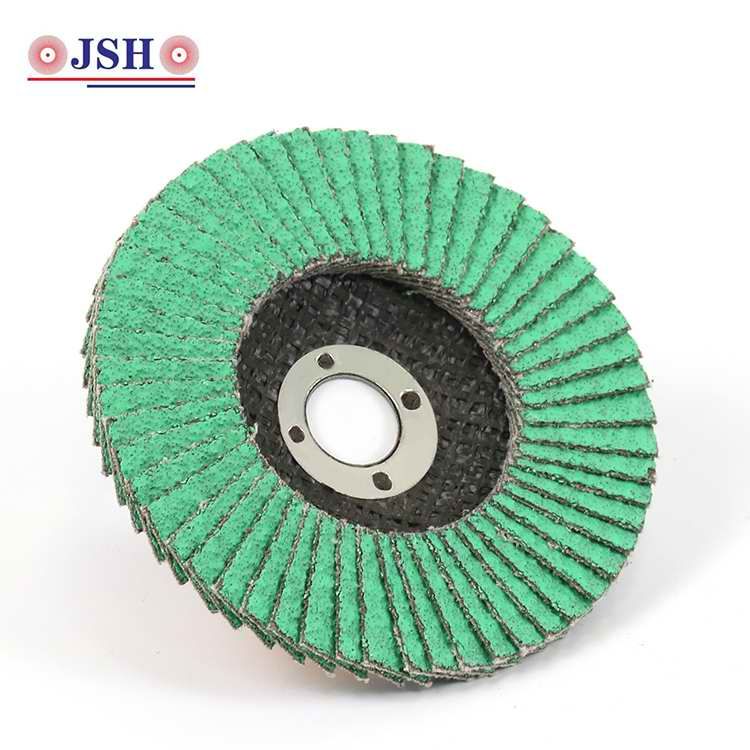
A flap wheel is constructed from multiple overlapping abrasive cloth flaps arranged radially around a central hub or mandrel. This design creates a cylindrical grinding and finishing tool that has become indispensable across fabrication workshops and manufacturing facilities. The primary appeal of flap wheels lies in their operational characteristics. Unlike conventional grinding discs, flap wheels produce noticeably lower vibration during use, which translates directly into improved operator comfort and better control over the workpiece. Another significant advantage is the reduced risk of gouging. The flexibility of the individual flaps allows the tool to conform to the workpiece surface rather than digging in aggressively, making it suitable for both aggressive stock removal and delicate finishing operations.
A defining characteristic of the flap wheel is the linear or brushed surface finish it produces. Flap discs typically leave a circular or swirl pattern, but the cylindrical geometry of the flap wheel creates a consistent, straight-line scratch pattern. This effect is crucial for matching existing grain on stainless steel sheet, architectural metals, or any application requiring a uniform satin or brushed aesthetic. The result is a professional finish that blends seamlessly with the surrounding material.
The layered construction of a flap wheel provides a considerable advantage in longevity. As the abrasive grains on the outer flaps become dull through use, they fracture or wear away, exposing fresh, sharp abrasive material underneath. This continuous self-sharpening property ensures a consistent cut rate and uniform finish throughout the product's lifespan. This makes flap wheels significantly more durable than standard sanding discs, which can quickly clog or glaze over and require frequent replacement.
Flap wheels are designed with an open structure that promotes air circulation during rotation. The airflow generated by the spinning flaps helps dissipate heat, reducing the risk of workpiece discoloration or burn damage. This cooling effect is particularly valuable when working on heat-sensitive materials like stainless steel or thin-gauge metals.
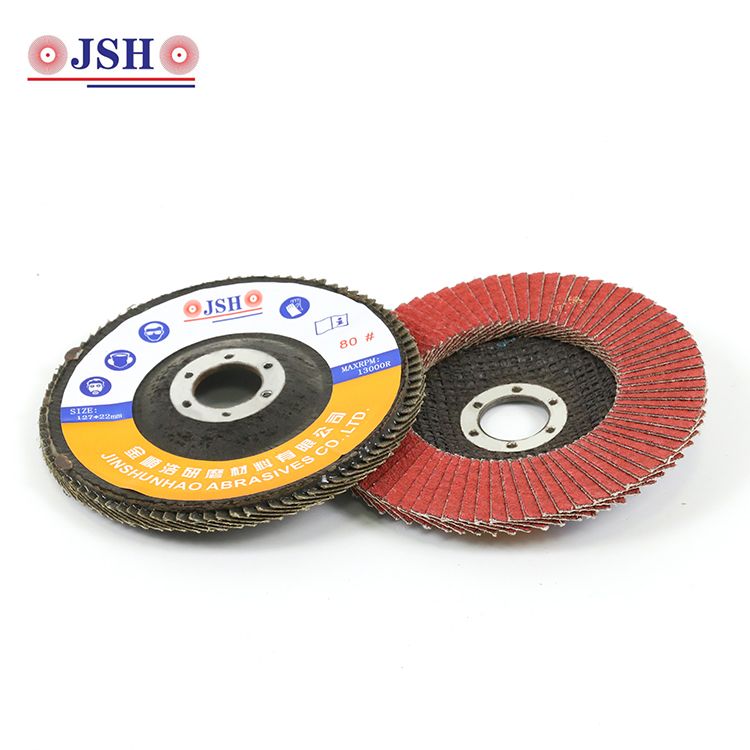
The choice of abrasive material is the primary factor determining a flap wheel's performance on a given workpiece.
Aluminum Oxide: This is the most versatile and commonly used abrasive. It is a sharp, durable synthetic grain suitable for carbon steel, cast iron, wood, and general-purpose metal finishing, including descaling and surface cleaning.
Zirconia Alumina: This grain is tougher than aluminum oxide and features a self-sharpening property that makes it ideal for high-pressure grinding. Zirconia alumina is the recommended choice for demanding applications on stainless steel, structural steel, and other hard metals.
Ceramic Alumina: Ceramic grains have a unique microcrystalline structure that micro-fractures under pressure, constantly exposing sharp new edges. This grain delivers exceptional performance on steel, tool steel, aluminum, and high-nickel alloys, offering a faster cut rate and cooler grinding temperature.
Grit size directly correlates with the aggressiveness of the cut and the final surface quality.
Coarse Grit (40–80): Used for heavy stock removal, weld leveling, and removing rust or scale.
Medium Grit (100–180): A general-purpose range for blending, smoothing, and surface preparation.
Fine Grit (240 and above): Employed for final finishing, achieving a smooth, refined, or polished surface.
Flap wheels are available in several configurations to suit different tools and applications.
Spindle-Mounted or Shank Flap Wheels: These feature an integrated steel shank for use in die grinders, drills, and other handheld rotary tools. They are ideal for reaching confined areas and performing detailed work.
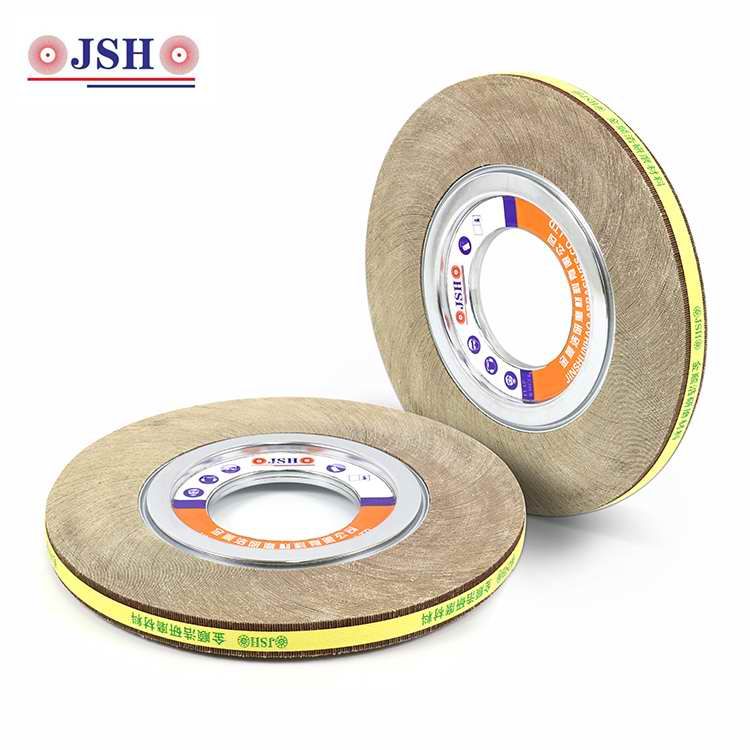
Arbor-Hole Flap Wheels: These are designed for mounting on bench grinders, burnishing machines, or automated production lines.
Special-Shaped Flap Wheels: Customized profiles for specific workpiece contours are available from specialized manufacturers.
Understanding the distinction between these two common abrasive tools is essential for selecting the right solution.
| Feature | Flap Wheel | Flap Disc |
|---|---|---|
| Primary Application | Internal surfaces, tube and pipe interiors, intricate contours, fine linear finishing | External surfaces, weld blending, heavy stock removal, edge grinding |
| Surface Finish | Linear, brushed, or satin texture | Circular or swirl pattern |
| Key Advantage | Conforms to complex shapes, excels in tight spaces and internal work | Versatile for grinding and finishing in one step, aggressive on flat surfaces |
| Optimal Contact Angle | Variable, adaptable to surface | Type 27 (flat): 0-15°; Type 29 (conical): 15-35° |
Flap wheels are often easier for less experienced operators to use effectively. The flexible nature of the flaps makes the tool more forgiving of pressure variations, reducing the likelihood of damaging the workpiece surface.
Flap wheels are extensively used for internal grinding and polishing of stainless steel pipes and pressure vessels. Their cylindrical shape allows them to reach deep into tubes and create a consistent finish along the entire length.
The brushed linear finish produced by flap wheels is the standard for many consumer goods. Applications include surface graining of stainless steel cookware, cutlery, door handles, hinges, and locks.
Flap wheels are employed for deburring machined parts, cleaning weld seams, and finishing components requiring precision surface preparation.
Flap wheels can be integrated into robotic polishing cells for consistent, repeatable results in high-volume production environments.
Applying heavy pressure is appropriate for aggressive material removal, while a light touch is required for finishing. Excessive force can lead to premature flap wear, workpiece overheating, and poor surface quality.
Adhering strictly to the manufacturer's maximum RPM rating is critical. Exceeding the recommended speed can cause the wheel to disintegrate, creating a serious safety hazard. Operators should always check that the tool's speed does not surpass the wheel's rated limit.
Flap wheels generate flying debris, sparks, and noise. Proper PPE is mandatory: safety glasses or a face shield, hearing protection, and cut-resistant gloves.
Selecting the correct flap wheel is a decision that directly impacts efficiency, cost, and final product quality. A reliable supplier provides not only high-quality products but also the technical expertise to optimize finishing processes. JSH Abrasives (Kunshan Jin Shun Hao Abrasives Co., Ltd.) represents this professional standard. With over 20 years of manufacturing experience and a technical foundation originating from Taiwan, JSH Abrasives produces flap wheels that meet rigorous quality standards, backed by ISO 9001 certification. The company offers a comprehensive range of customizable products, from standard mounted flap wheels to specialized solutions for pipe finishing, supported by application engineering expertise. Choosing a professional supplier ensures consistent performance, longer tool life, and a superior final finish.