In industrial manufacturing, surface preparation and finishing quality have a direct influence on product performance, appearance, and production efficiency. Abrasive belts are widely used in metal fabrication, stainless steel processing, machinery manufacturing, and other industries where consistent grinding and polishing results are required.
Choosing an abrasive belt is not simply a matter of selecting a standard product size. Different applications require different abrasive characteristics. The workpiece material, required surface finish, processing speed, equipment type, and production environment all affect the final performance of an abrasive belt.
A suitable abrasive belt helps manufacturers achieve stable material removal, improve surface consistency, and maintain efficient production processes. Understanding the key factors behind abrasive belt selection allows users to make better decisions for specific grinding and finishing applications.
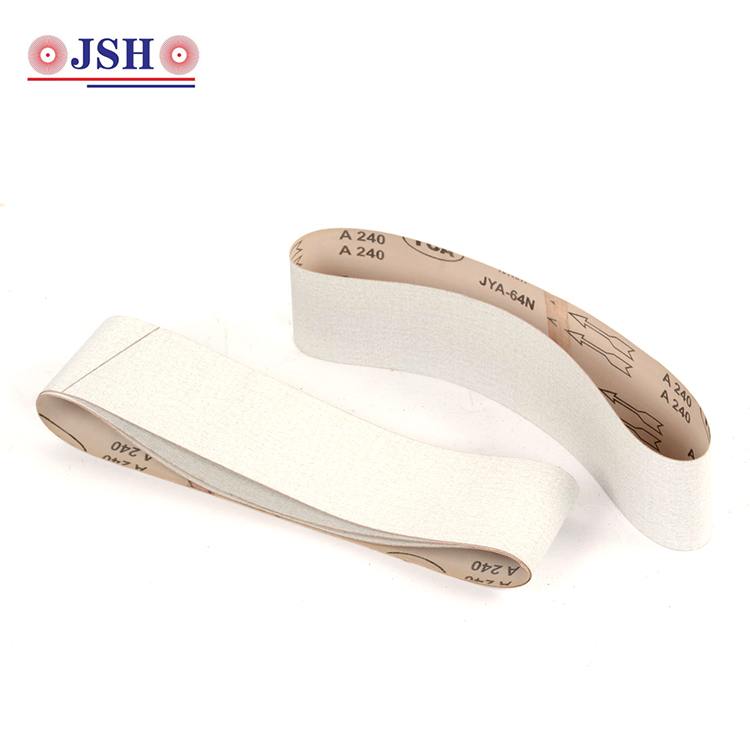
Industrial grinding operations often involve multiple stages, from initial material removal to final surface refinement. Each stage has different performance requirements, which means the abrasive belt specification needs to match the purpose of the process.
For heavy grinding applications, manufacturers usually require abrasive belts with strong cutting ability and high durability. For finishing applications, surface quality and controlled abrasion become more important.
The correct abrasive belt selection can improve several aspects of production:
In industries where surface appearance and dimensional accuracy are important, choosing the right abrasive solution helps maintain reliable manufacturing results.
Selecting an abrasive belt requires evaluation of several application conditions. The material being processed, the desired finish, and the working environment all influence the final choice.
The material characteristics of the workpiece determine the type of abrasive performance required.
Different materials have different hardness levels, heat sensitivity, and surface requirements. A belt designed for aggressive grinding may not provide the best result for fine finishing, while a finishing belt may not offer sufficient cutting ability for heavy material removal.
Stainless steel is widely used in industries that require corrosion resistance and attractive surface appearance. It is commonly found in architectural products, kitchen equipment, industrial machinery, and decorative metal applications.
When processing stainless steel, abrasive belts need to provide:
Typical applications include weld blending, surface preparation, satin finishing, and polishing preparation.
Carbon steel applications often require stronger material removal performance due to heavier grinding requirements.
Abrasive belts used for carbon steel processing are commonly applied in:
Durability and cutting efficiency are important factors for maintaining productivity during demanding grinding operations.
Aluminum requires careful abrasive selection because its softer characteristics can affect grinding performance.
Suitable abrasive belts help reduce loading issues and maintain smooth cutting action. They are commonly used in applications where surface appearance and processing control are important.
The abrasive grain is one of the most important elements affecting cutting performance, durability, and finishing quality. Different grain materials provide different advantages depending on the application.
Aluminum oxide is a widely used abrasive grain suitable for general grinding and finishing applications.
Its characteristics include:
Aluminum oxide abrasive belts are commonly used for general metal processing tasks where stable performance and cost efficiency are important.
Zirconia abrasive belts are designed for applications that require stronger grinding capability and longer service life.
The advantages of zirconia abrasives include:
They are often selected for:
For manufacturers handling challenging grinding operations, zirconia abrasive belts provide dependable performance.
Ceramic abrasive belts are commonly used in high-performance grinding applications where efficiency and consistency are critical.
Ceramic grains maintain sharp cutting ability during operation and are suitable for applications requiring continuous production performance.
Common uses include:
[Image Placement]
JSH official abrasive grain product image
Suggested ALT: ceramic and zirconia abrasive belts for industrial grinding
Grit size determines the balance between material removal speed and surface smoothness. Selecting the correct grit helps achieve the required finishing result at each processing stage.
Coarse grit belts are suitable for applications requiring fast material removal.
Common applications include:
They provide strong cutting ability for the initial stages of grinding.
Medium grit belts are often used for intermediate processing between rough grinding and final finishing.
Typical applications include:
They provide a balance between efficiency and finishing control.
Fine grit belts are designed for finishing processes where surface appearance is a priority.
They are commonly used for:
Fine abrasives help create smoother and more consistent surface textures.
The performance of an abrasive belt depends not only on the abrasive material but also on how well it matches the processing equipment.
Different grinding machines require specific belt specifications.
Common equipment includes:
The belt size, backing material, and joint design should be selected according to the machine requirements to achieve stable operation.
Grinding pressure and operating speed influence abrasive performance.
Higher pressure may improve material removal during heavy grinding operations, while controlled pressure is often preferred for surface finishing.
Proper operating conditions help extend abrasive belt life and maintain consistent results.
Manufacturers with continuous production requirements should consider factors such as:
Selecting an abrasive belt based on actual production conditions helps create a more reliable finishing process.
Abrasive belts are widely used in industries that require efficient grinding and surface finishing solutions.
In metal fabrication, abrasive belts are commonly used for:
They help manufacturers improve productivity while maintaining consistent surface results.
Stainless steel manufacturers use abrasive belts for processing different types of components, including:
The right abrasive selection helps achieve uniform finishes and professional surface quality.
Precision components often require controlled finishing before assembly or coating.
Abrasive belts provide flexible solutions for removing surface imperfections and preparing components for the next production stage.
Proper abrasive belt usage can improve efficiency and help maintain consistent processing quality.
Abrasive grain, grit size, and belt structure should match the material and finishing requirements of the application.
Equipment settings, working pressure, and machine maintenance all influence abrasive performance.
Industrial applications often require customized abrasive solutions. Professional technical support helps users select suitable products according to material characteristics and production requirements.
Selecting the right abrasive belt is an important part of achieving efficient grinding performance and consistent surface finishing results. Material type, abrasive grain, grit selection, equipment compatibility, and production requirements all contribute to the final processing quality.
For industries including metal fabrication, stainless steel manufacturing, and industrial polishing, a properly selected abrasive belt can improve productivity and support stable manufacturing performance.
With professional abrasive manufacturing expertise and solutions designed for different industrial applications, JSH provides reliable abrasive belt products that help customers achieve efficient grinding and high-quality finishing results.