Stainless steel is widely used in industries where durability, corrosion resistance, and appearance are equally important. From architectural structures and food processing equipment to industrial machinery and decorative components, stainless steel products often require precise surface treatment before reaching their final application.
A high-quality stainless steel finish depends on a carefully planned polishing process. Surface preparation, weld treatment, grinding, blending, and final refinement each require suitable abrasive solutions to achieve consistent results.
Selecting the right abrasive tools helps manufacturers improve production efficiency, maintain surface quality, and achieve different finishing effects according to application requirements.
This guide explains the main stages of stainless steel polishing and how flap wheels, abrasive belts, and other abrasive solutions support professional finishing processes.
.jpg)
Stainless steel surfaces are often used in applications where visual quality and functional performance are both important. Uneven grinding marks, visible scratches, or inconsistent surface patterns may affect the final appearance and product value.
During manufacturing, stainless steel components may require additional finishing due to:
A professional abrasive solution helps manufacturers control these challenges throughout the production process.
The selection of abrasive tools depends on several factors, including stainless steel grade, surface condition, required finish, and production method.
A complete stainless steel polishing process usually includes several stages. Each stage has a different purpose and requires suitable abrasive performance.
The first stage focuses on removing unwanted material and improving the basic surface condition.
Common requirements include:
At this stage, abrasive tools need strong cutting ability and stable performance.
Flap wheels and abrasive belts are commonly used because they provide efficient material removal while maintaining better control compared with more aggressive grinding methods.
Welding is widely used in stainless steel fabrication. After welding, the surface usually requires additional treatment to achieve a smoother appearance.
The main goals of weld seam treatment include:
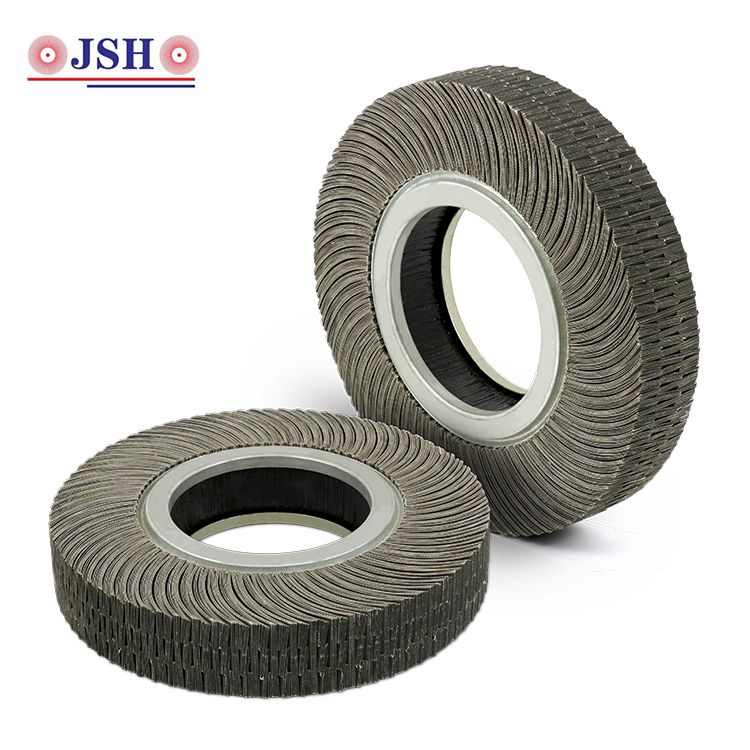
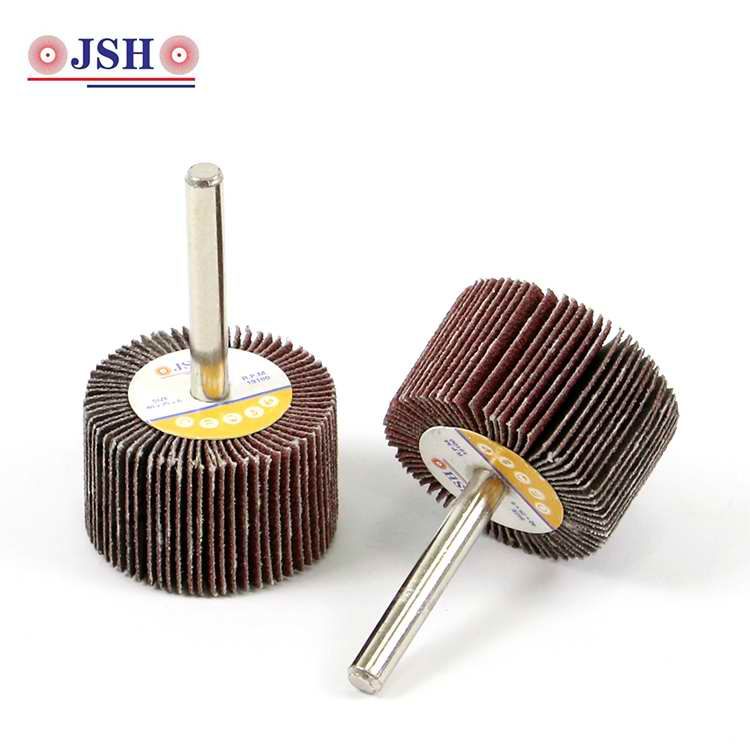
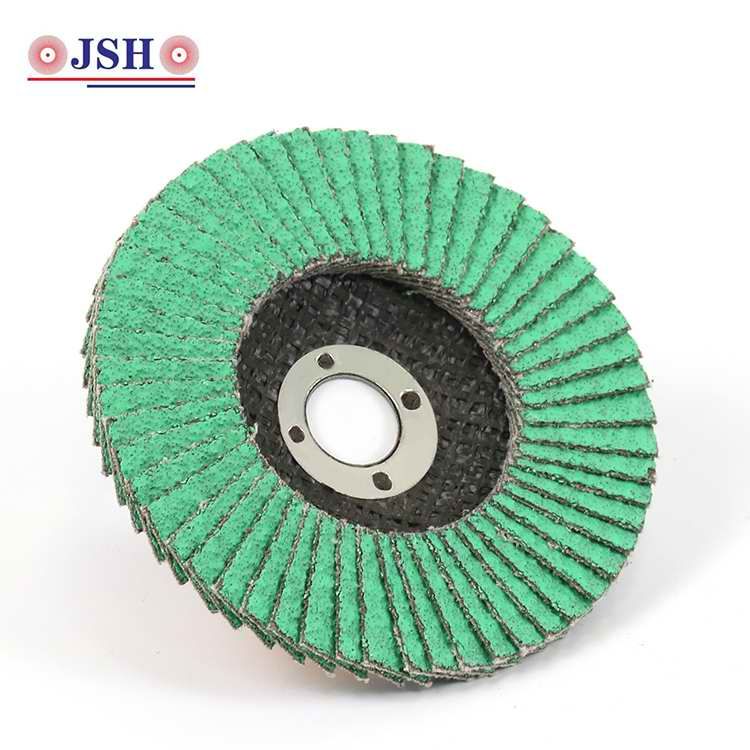
Flap wheels are particularly suitable for weld blending because their flexible structure allows better contact with different surface shapes.
They can help operators achieve a balanced combination of material removal and surface refinement.
After initial grinding, the surface usually requires further refinement.
This stage focuses on:
Medium grit abrasive solutions are often selected because they provide a balance between cutting performance and surface smoothness.
A well-controlled refinement process helps create a more uniform finish across the entire stainless steel component.
The final stage determines the appearance and texture of the stainless steel surface.
Different applications may require different finishing results, including:
Fine abrasive tools are typically used during this stage to create consistent surface quality.
The required finish depends on the application. Decorative products may focus on appearance, while industrial equipment may prioritize cleanliness, durability, and maintenance performance.
Different abrasive tools provide different advantages during stainless steel finishing. Choosing the right solution according to each processing stage improves both efficiency and surface quality.
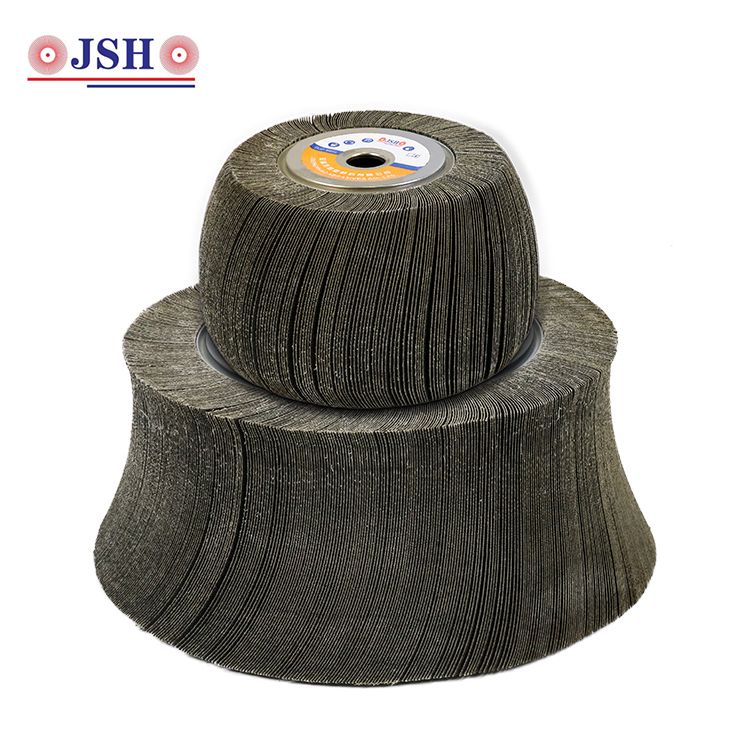
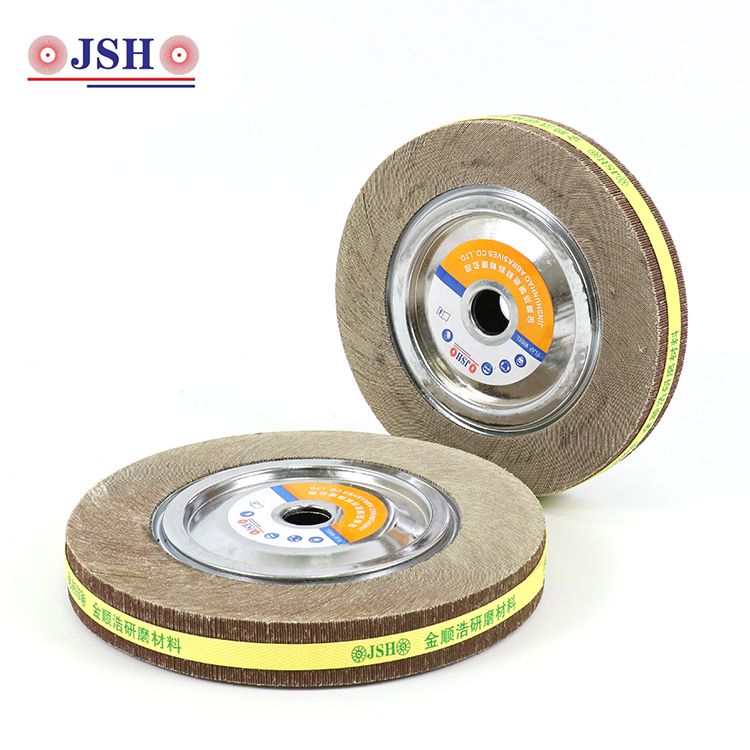
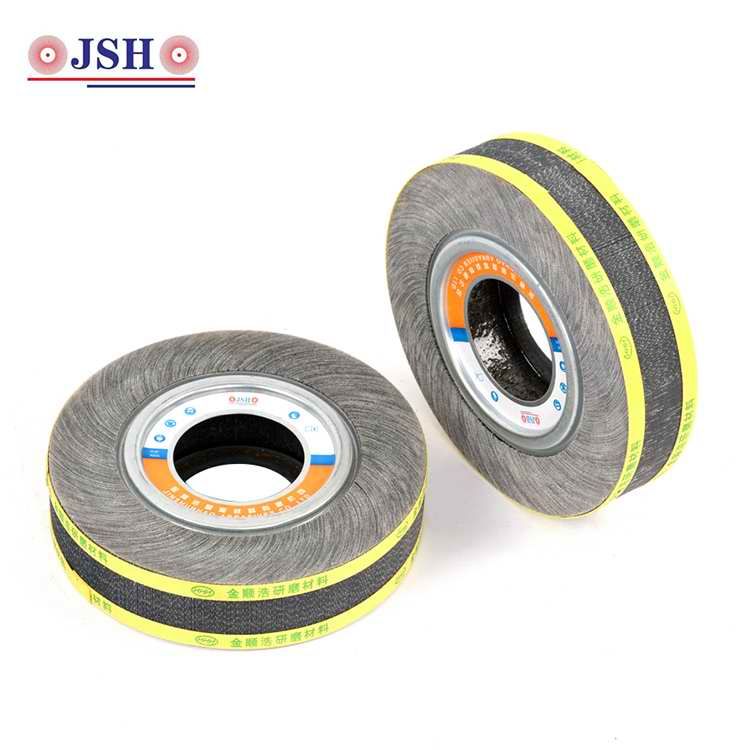
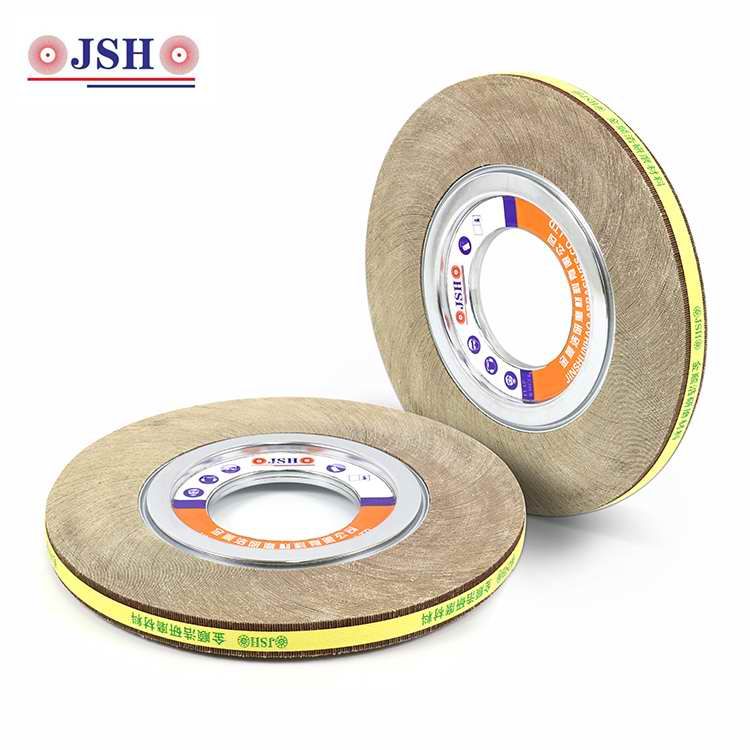
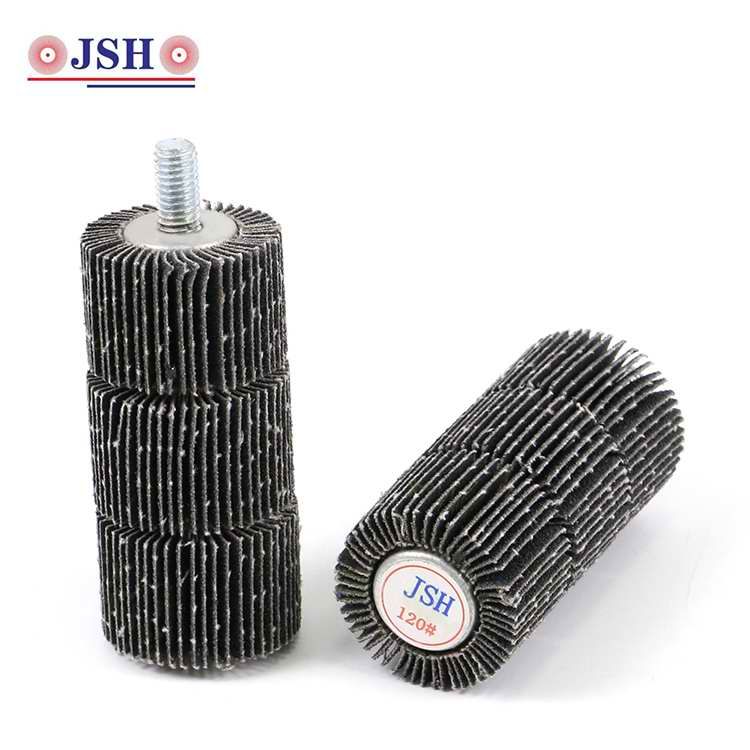
Flap wheels are widely used in stainless steel fabrication because they provide effective grinding with good surface control.
Their advantages include:
Typical applications include:
Flap wheels are especially useful when manufacturers need to remove material while maintaining surface appearance.
Abrasive belts are commonly used in industrial production environments where continuous processing is required.
They are suitable for applications such as:
The advantages of abrasive belts include stable grinding performance, efficient processing capability, and suitability for high-volume production.
Different abrasive grains and grit sizes allow abrasive belts to support various finishing stages from material removal to final surface refinement.
The abrasive grain influences cutting performance, durability, and finishing results.
Aluminum oxide abrasives provide reliable performance for general stainless steel finishing applications.
They are commonly used for:
Zirconia abrasives provide stronger cutting performance and durability.
They are suitable for:
Ceramic abrasives are designed for demanding applications that require efficient cutting performance and long service life.
They are commonly used for:
Achieving consistent stainless steel finishing results requires control over several processing factors.
The abrasive tool should match the specific finishing stage.
Choosing suitable abrasive grain and grit size helps maintain processing efficiency while achieving the required surface appearance.
Grinding pressure affects both material removal and final surface quality.
Excessive pressure may create unwanted surface marks, while insufficient pressure may reduce grinding efficiency.
Maintaining appropriate pressure helps achieve balanced performance.
Operator experience and processing methods also influence finishing results.
Consistent movement, suitable working speed, and proper tool handling contribute to a more uniform stainless steel surface.
Different industries have different requirements for stainless steel surface treatment.
Architectural applications often require attractive and consistent finishes.
Abrasive tools help create:
Food processing equipment requires surfaces that are easy to clean and maintain.
Proper abrasive finishing helps improve surface smoothness and supports hygiene requirements.
Industrial components often require reliable surface quality before assembly, coating, or further processing.
Abrasive solutions help remove imperfections and prepare components for their next manufacturing stage.
Improving stainless steel finishing efficiency requires the combination of suitable abrasive tools, correct processing methods, and stable production conditions.
Manufacturers can improve results by:
A well-planned finishing process reduces unnecessary rework and helps maintain stable product quality.
Stainless steel polishing is a multi-stage process that requires careful abrasive selection and effective processing methods. From initial grinding and weld treatment to surface refinement and final finishing, each stage influences the quality of the finished product.
Flap wheels, abrasive belts, and other professional abrasive solutions provide manufacturers with flexible options for different stainless steel applications.
With extensive abrasive manufacturing experience and industrial finishing expertise, JSH provides reliable abrasive products designed to help customers achieve efficient processing and consistent stainless steel surface quality.