Abrasive belts are widely used in metal fabrication, stainless steel processing, woodworking, and industrial surface finishing because they provide efficient material removal and consistent finishing performance.
However, even high-quality abrasive belts can experience problems during operation. Issues such as premature wear, belt breakage, poor cutting performance, excessive heat, and uneven finishing can reduce productivity and increase manufacturing costs.
Most abrasive belt problems are not caused by a single factor. They are often related to incorrect abrasive selection, improper operating methods, machine conditions, or insufficient maintenance.
Understanding these common problems and knowing how to solve them can help manufacturers improve grinding efficiency, reduce downtime, and achieve more stable surface finishing results.
One of the most common complaints from manufacturers is that abrasive belts need to be replaced too frequently.
Short belt life can increase:
Common causes include:
For example, using a general-purpose belt for heavy stainless steel grinding may cause rapid abrasive grain wear and reduced cutting efficiency.
Choosing the correct abrasive belts according to the workpiece material and application requirements is essential.
Manufacturers should consider:
A properly selected abrasive belt can provide longer service life, better cutting performance, and lower overall grinding costs.
Sometimes an abrasive belt remains physically intact but loses its cutting ability.
Common symptoms include:
Possible causes include:
Selecting the right abrasive grain and grit size can restore grinding performance.
For stainless steel and other difficult-to-process metals, sanding belts for stainless steel are designed to provide better cutting efficiency and improved heat resistance.
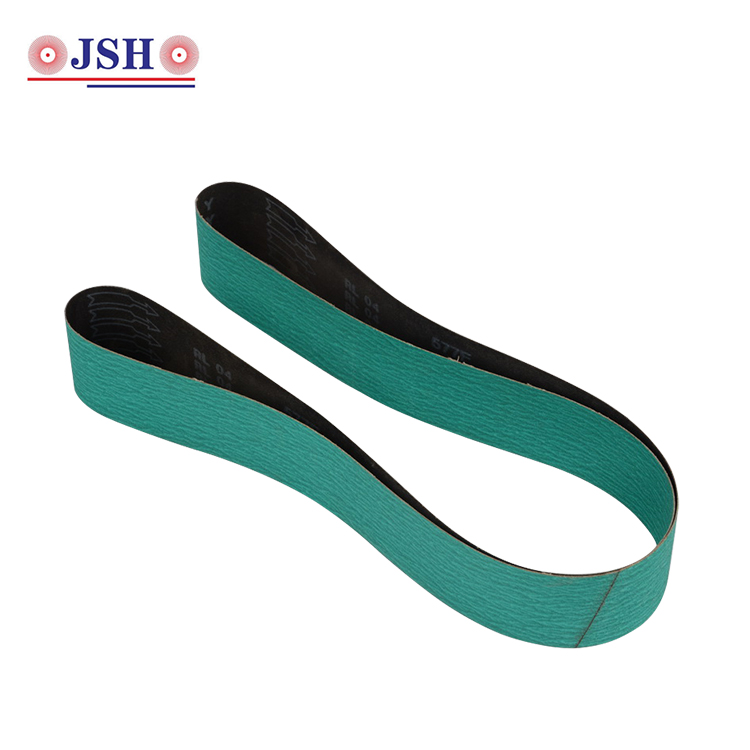
For heavy-duty applications, zirconia abrasive belts can deliver aggressive cutting action and longer working life compared with standard abrasives.
Unexpected belt breakage can interrupt production and affect workplace safety.
Common causes include:
To reduce belt breakage:
Abrasive belts should always be stored in a clean and controlled environment to protect the backing material and adhesive structure.
Regular equipment maintenance also helps prevent unnecessary belt stress during operation.
Tracking problems are common in industrial grinding operations.
When the belt does not run correctly, it can cause:
Common causes include:
Manufacturers should regularly inspect:
Maintaining stable belt movement ensures consistent grinding results and prevents premature wear.
Heat generation is one of the biggest challenges in abrasive processing.
Excessive temperatures can lead to:
This problem is especially common when grinding stainless steel or other heat-sensitive metals.
To control grinding temperature:
Using high-performance zirconia abrasive belts can help maintain cutting performance while reducing heat-related problems in demanding applications.
Belt loading occurs when removed material becomes trapped between abrasive grains.
This issue is common when processing:
When loading occurs, the abrasive surface becomes blocked, reducing cutting ability and increasing friction.
Manufacturers can reduce loading by:
Choosing the correct abrasive solution helps maintain consistent cutting performance throughout production.
Abrasive belts are often used for achieving smooth and consistent surfaces. However, incorrect selection or operation can result in:
Common causes include:
Improving surface finishing requires:
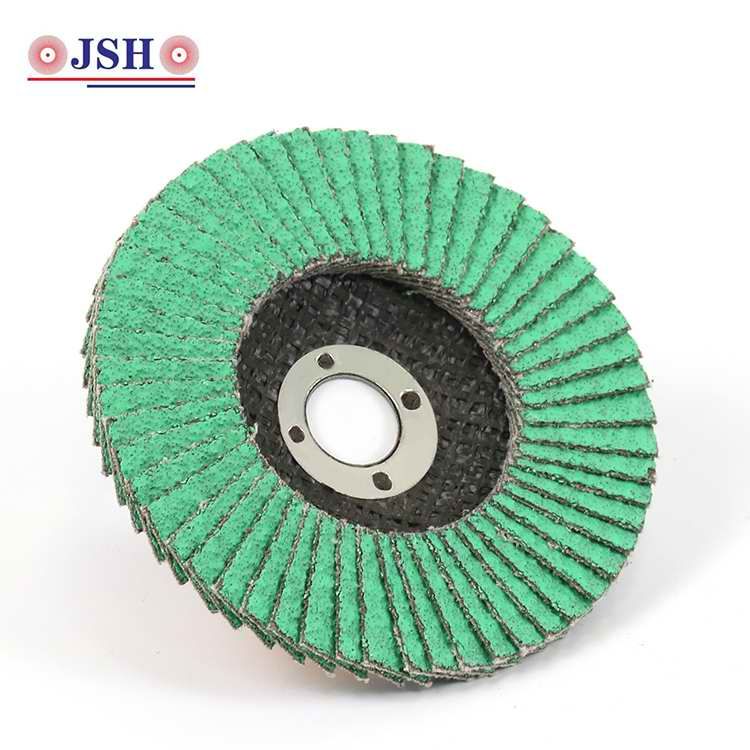
For heavy weld removal and surface preparation, flap discs can help remove excess material efficiently before final finishing.
This reduces the workload placed on abrasive belts and improves the overall finishing process.
Different abrasive products are designed for different stages of metal processing.
For aggressive grinding applications such as weld removal and heavy stock removal, flap discs provide fast material removal and good operator control.
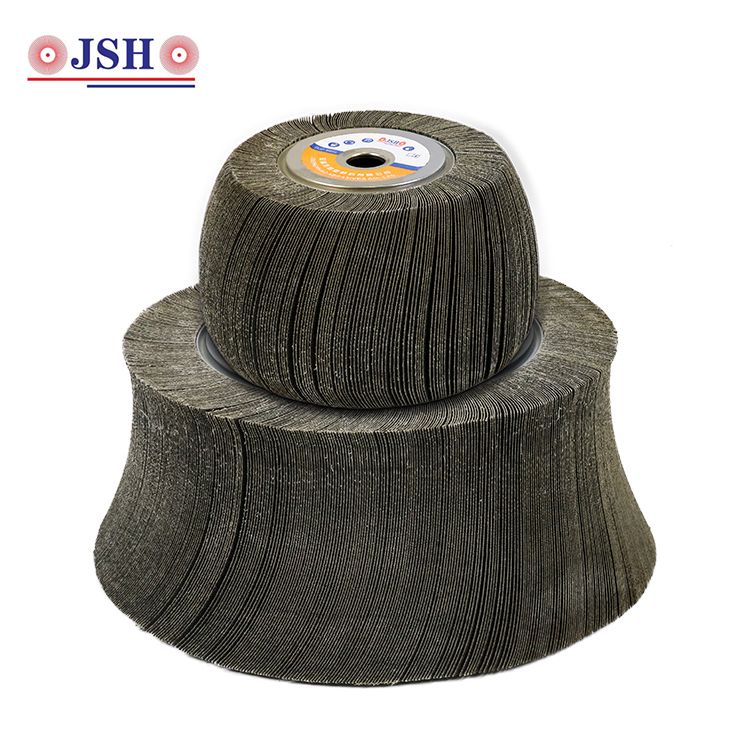
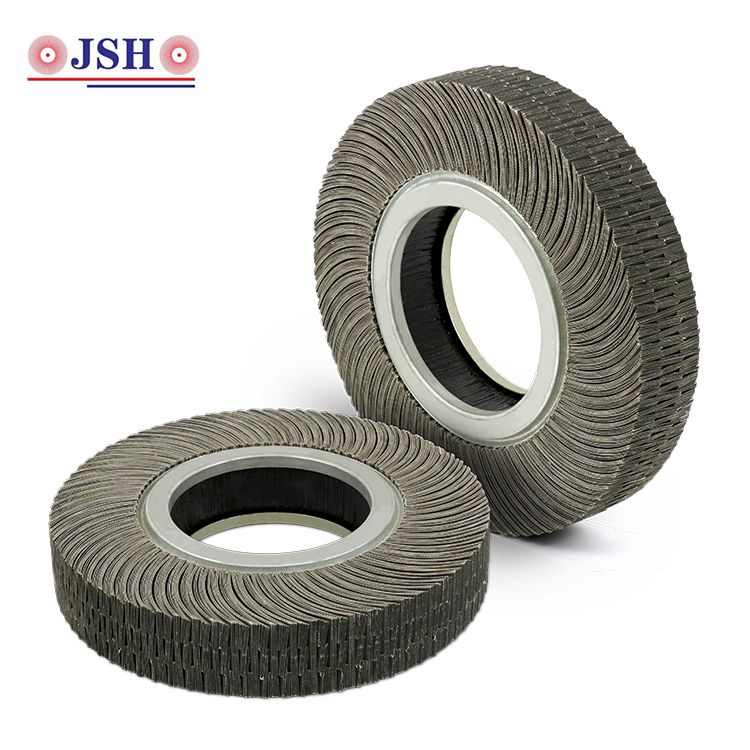
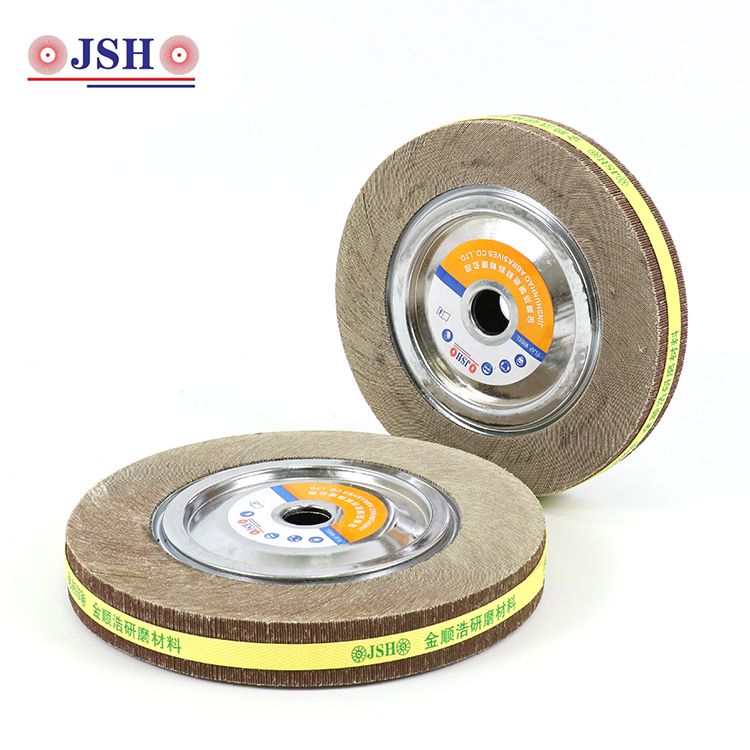
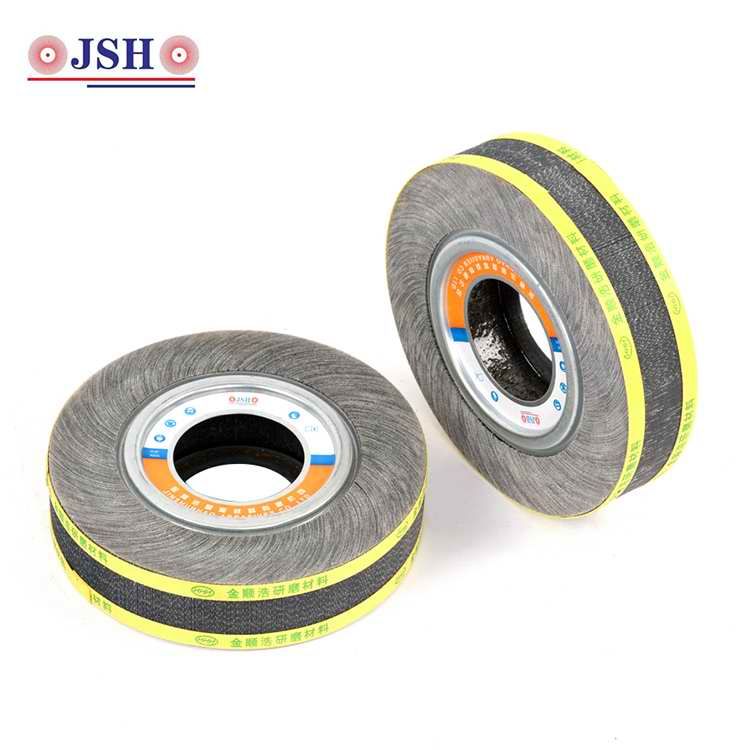
For curved surfaces, tubes, and irregular workpieces, flap wheels offer flexible contact and help achieve a more uniform finish.
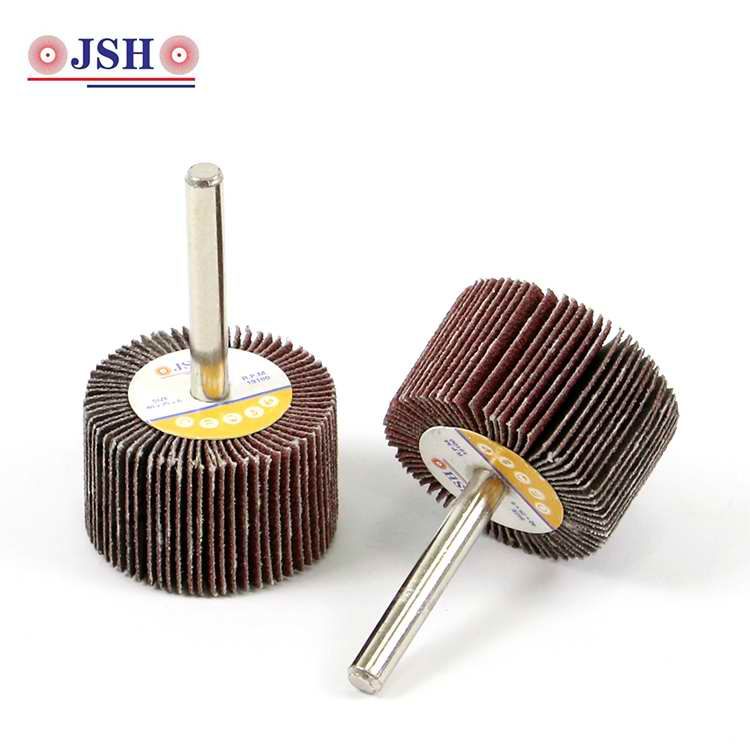
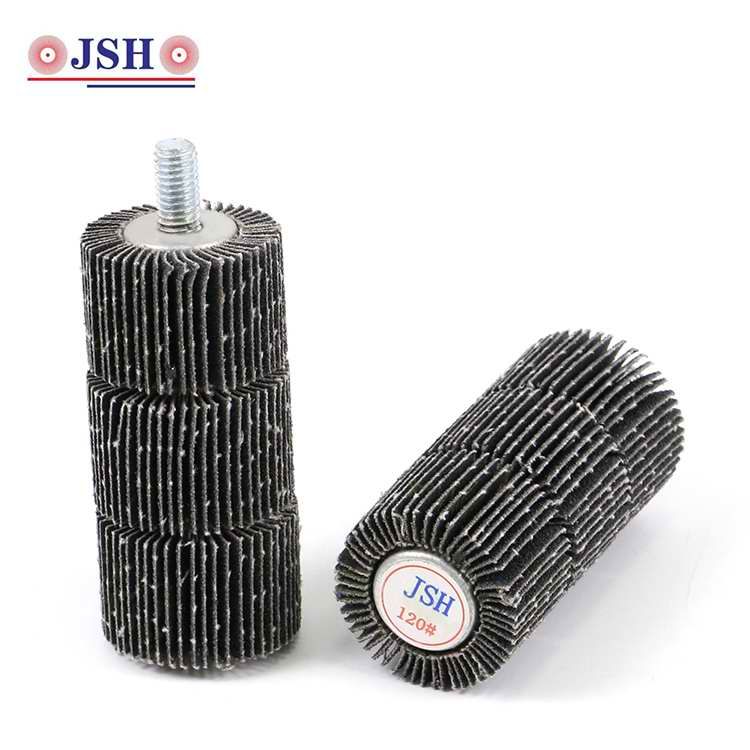
For internal polishing, narrow areas, and complex surfaces, flap wheel with shank provides better accessibility and finishing precision.
Using the right abrasive product for each processing stage can reduce unnecessary wear, improve efficiency, and lower total production costs.
Manufacturers can reduce abrasive belt issues by following these practices:
A preventive maintenance approach helps avoid unexpected downtime and improves overall grinding performance.
Abrasive belt problems such as premature wear, belt breakage, loading, overheating, and poor finishing quality can significantly affect production efficiency.
However, most issues can be prevented through proper abrasive selection, correct operating methods, and regular equipment maintenance.
By choosing suitable abrasive belts and combining them with complementary products such as flap discs, flap wheels, and flap wheel with shank, manufacturers can optimize grinding processes, reduce downtime, and achieve more consistent surface finishing results.