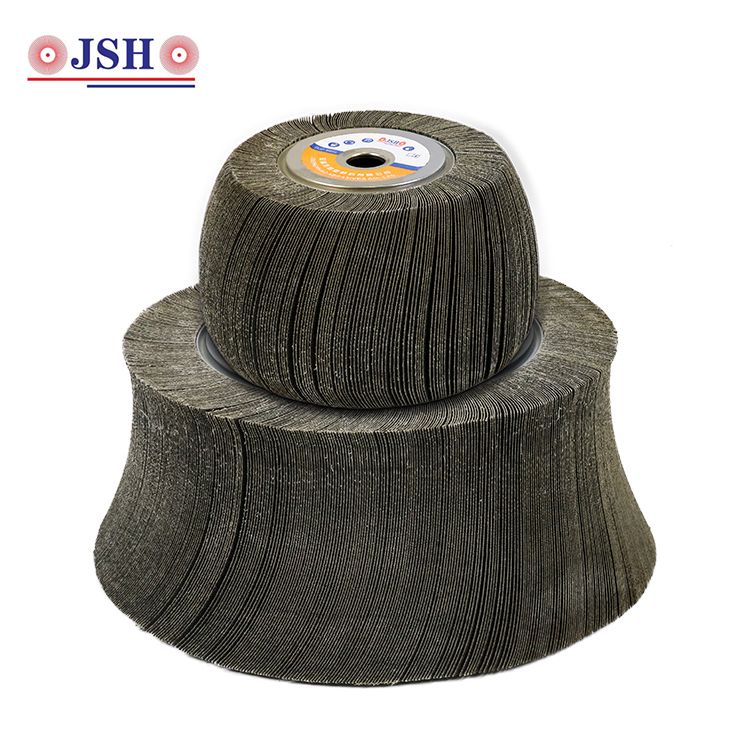
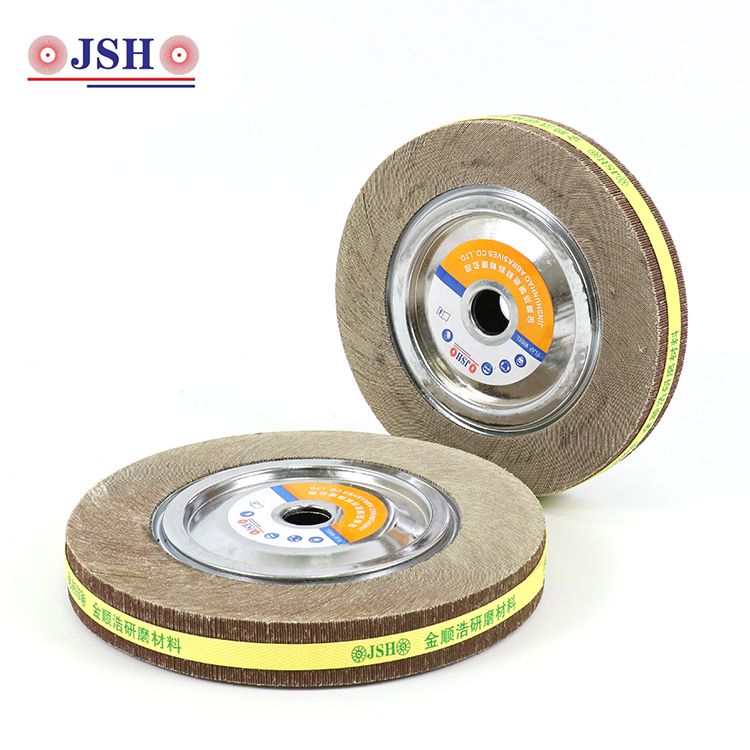
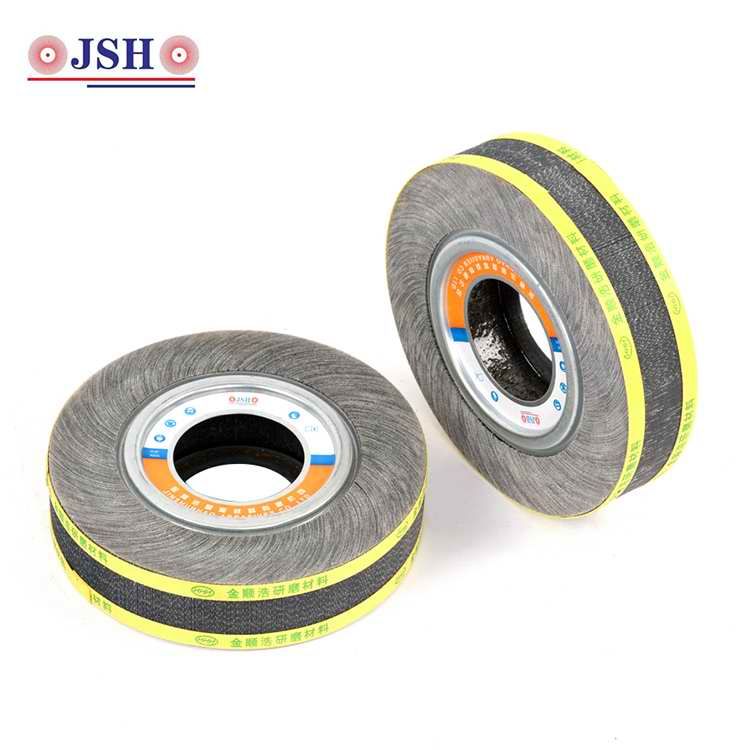
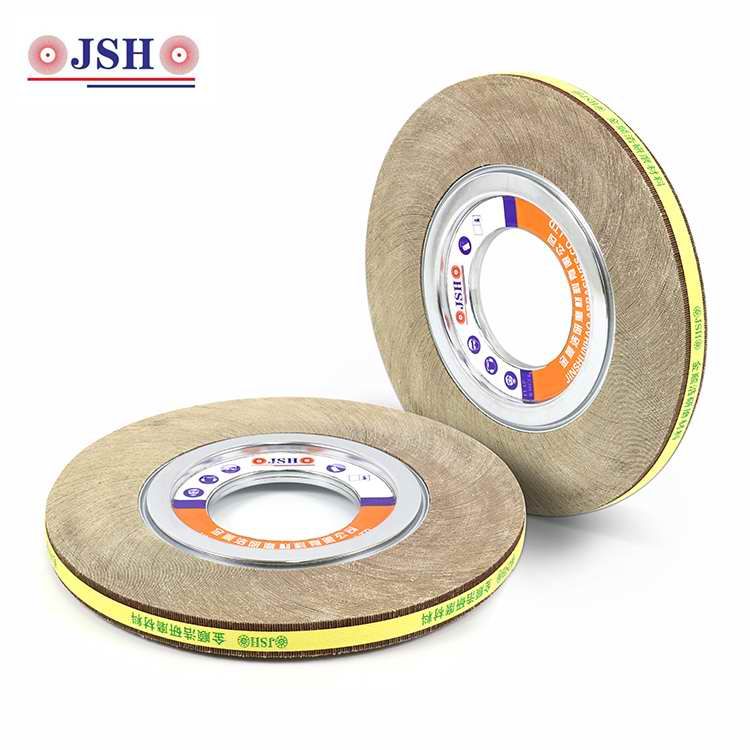
Most stainless steel pipe polishing problems are not caused by the machine. They are caused by using the wrong flap wheel, the wrong grit, or the wrong speed and pressure.
Below are the six problems we hear about most often, along with what causes them and how to solve them.
This is the most common complaint in stainless steel work.
What it looks like: the pipe turns blue, black or brown at the contact area, and the color does not polish away easily.
Common causes:
How to fix it:
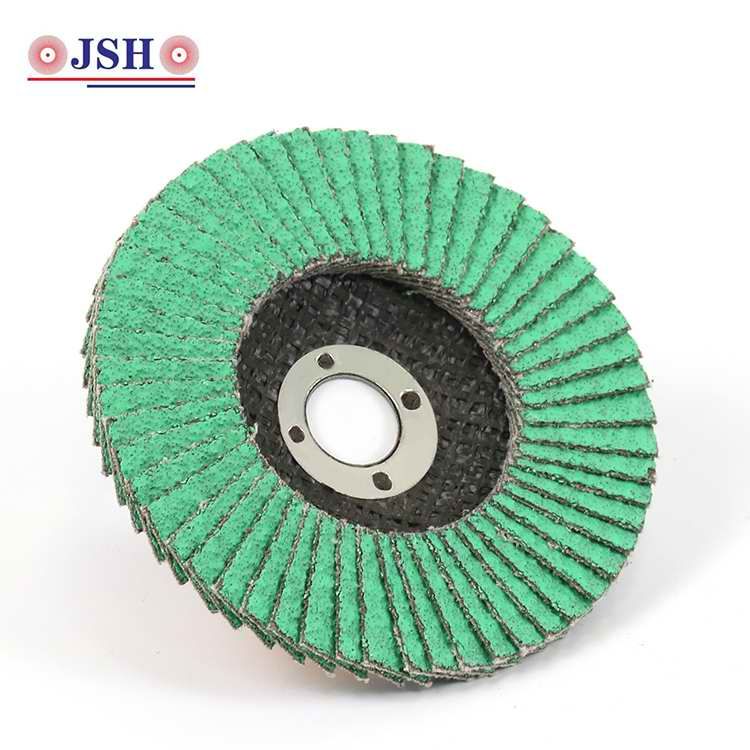
Reduce the speed or lighten the pressure first. Then check the grit sequence. If you are still in the rough stage, the goal is cutting, not a fine surface. Move to a medium grit such as 80–120 before expecting a clean finish. A general flap wheel such as the Flap Wheels FW002 or Flap Wheels FW003 is a good choice for blending and taking the heat out of the process.
After the first pass, the weld is still high in some places and over-ground in others.
What it looks like: a wavy surface along the weld line, with shiny low spots next to dull high spots.
Common causes:
How to fix it:
Start with a coarse grit, around 36–60, and let the wheel cut rather than rub. The Flap Wheels FW001 or Flap Wheels FW002 can be used for this rough stage. If the weld is awkward to reach, a Slashed Flap Wheel gives a more flexible edge for blending the seam.
Outer wall looks good, but the bore is still rough or discolored.
What it looks like: the inside of the pipe keeps an oxide layer, weld flash or a dull gray surface.
Common causes:
How to fix it:
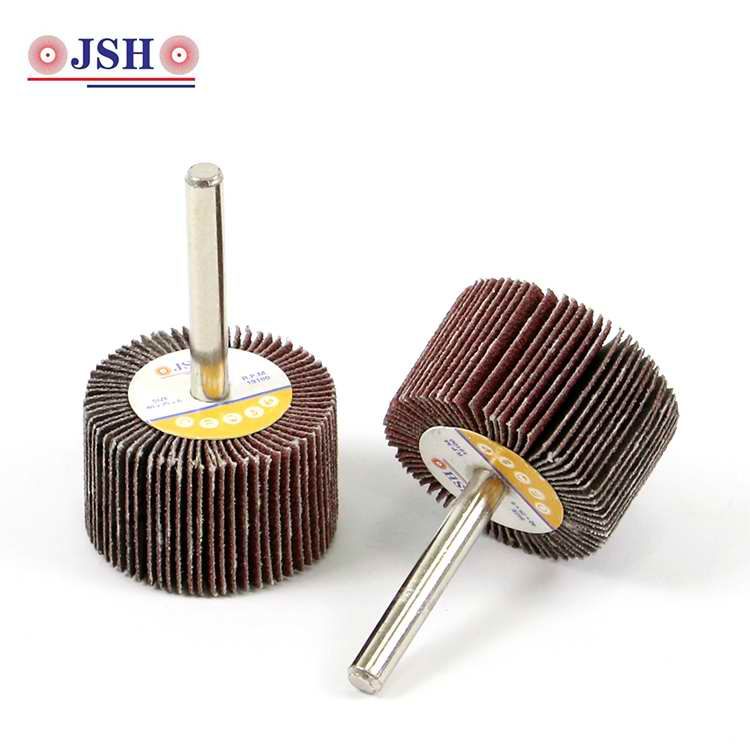
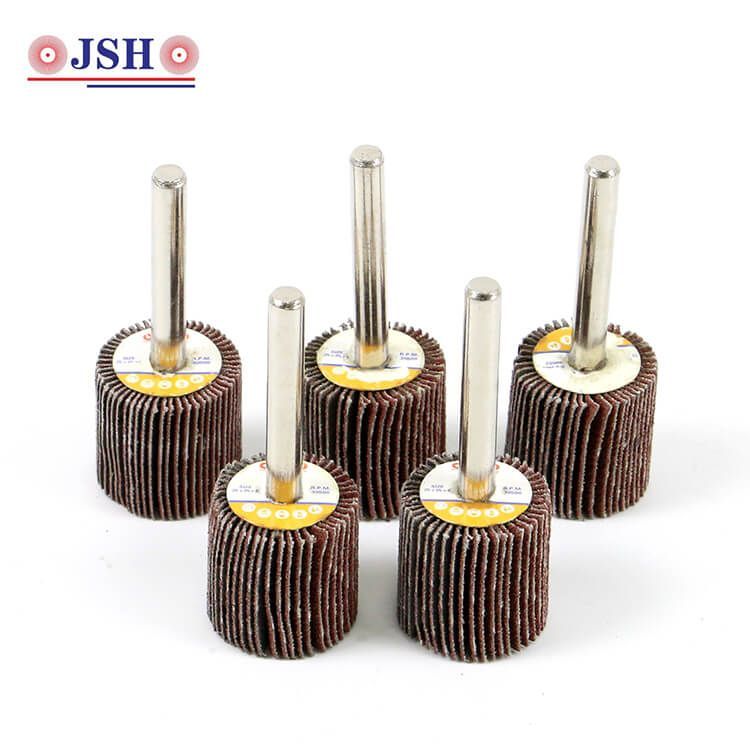
Use a wheel built for inside work, not an outer wall wheel. The Inside polish Flap wheel FW005A is listed on the JSH product page for inner polishing. Check the fit against the pipe bore, and make sure there is enough clearance for chips to escape. For narrow bores, a Flap wheel with shank is often the more practical option.
The wheel works at first, but the abrasive sheets wear down or tear off after only a short run.
What it looks like: fast loss of diameter, torn flaps or the wheel stops cutting while it still looks thick.
Common causes:
How to fix it:
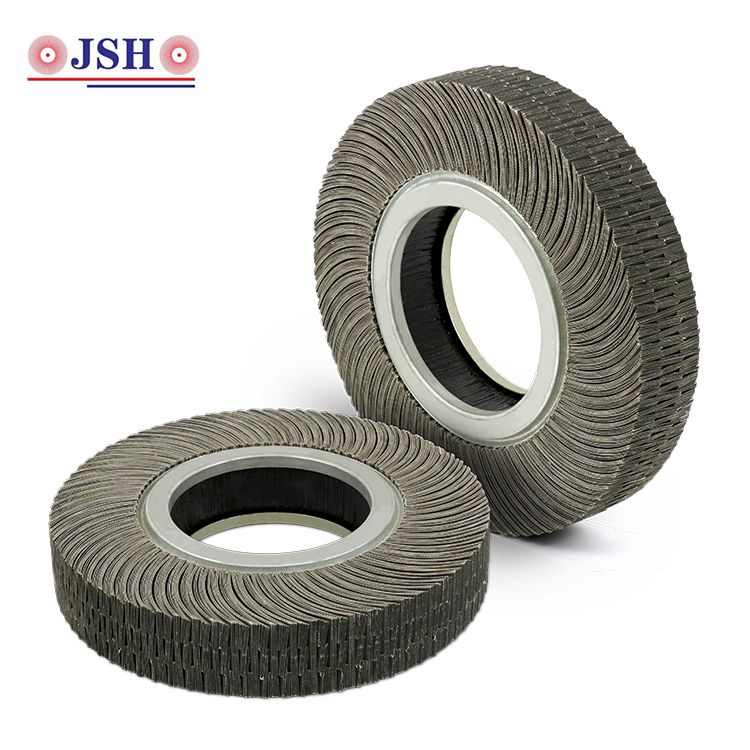
Check the operating speed against the wheel specification and reduce the feed pressure. For stainless steel, select a flap wheel with heat-resistant abrasive and a hardness matched to the job. The Flap Wheels FW001, Flap Wheels FW002 and Flap Wheels FW003 give you different options for matching the wheel to the stage instead of forcing one wheel to do everything.
The pipe is smooth, but it does not reach the bright, mirror-like surface the customer expects.
What it looks like: a cloudy or streaky finish, with visible grinding lines under the shine.
Common causes:
How to fix it:
Do not try to hide a rough surface with a fine wheel. Move through the grits in steps, and finish with a fine-grit flap wheel. The Flap Wheels FW001 or Flap Wheels FW003 can be used for the final pass. Keep the wheel for fine work separate from the coarse wheels, and lower the speed and pressure on the last pass. For flat areas and fittings, use a Flap Disc to blend the surface before the mirror stage.
Round pipe is fine, but square, oval or shaped work shows bright high spots and dull low areas.
What it looks like: the wheel cuts the corners and misses the curves, leaving an uneven finish.
Common causes:
How to fix it:
Choose a flexible wheel that can follow the contour. The Special Shaped Flap Wheel FW008 is listed on the JSH product page for special-shaped work. Because flap wheels are built from many flexible abrasive sheets, they can reach into curves without over-cutting the high points.
If you see black or blue marks, check speed, pressure and grit first.
If the weld is wavy, use a coarser wheel and let it cut.
If the inner wall is dull, switch to the Inside polish Flap wheel FW005A and check the bore fit.
If the wheel wears fast, lower the speed and match the hardness to the material.
If the shine is cloudy, do not skip grits, and keep the fine wheel separate.
If the shape is uneven, use the Special Shaped Flap Wheel FW008 or a shank-mounted wheel.
Most stainless steel pipe polishing problems can be solved by changing one of three things: the wheel, the grit or the operating conditions. When the symptom is identified correctly, the fix is usually simple. Matching the right flap wheel to the stage and the shape of the workpiece removes most defects before they appear.
If the problem continues after these checks, provide the pipe material, diameter, wall thickness, machine speed and a photo of the surface. With those details, the right product can be selected quickly from the JSH flap wheel range.