A well-cut sheet or a perfectly welded joint can still look unfinished if the surface treatment is wrong. That’s why complete polishing solutions matter so much in stainless steel fabrication, especially for manufacturers serving demanding industries like food processing, architecture, medical equipment, and industrial machinery.
Polishing is not only about shine. It affects corrosion resistance, hygiene, durability, and even how a brand is perceived by end users. In this article, we’ll take a practical look at polishing solutions for stainless steel fabrication, from rough grinding to mirror finishing, and how a professional supplier like JSH supports fabricators with reliable polishing tools and systems.
Before choosing any polishing method, fabricators need to be clear about the final surface requirement. Different applications need very different finishes.
For example, architectural stainless steel panels often require a uniform brushed finish that looks consistent under natural light. Food-grade stainless steel tanks or pipes usually need a smooth surface that minimizes bacteria buildup. Medical equipment goes even further, often asking for mirror polish or electropolished surfaces.
This is why polishing solutions should never be “one size fits all.” A complete solution starts with understanding the material grade (304, 316, duplex stainless steel), the fabrication process, and the final application environment.
A professional stainless steel polishing process is usually built in stages. Skipping steps often leads to extra rework and higher costs.
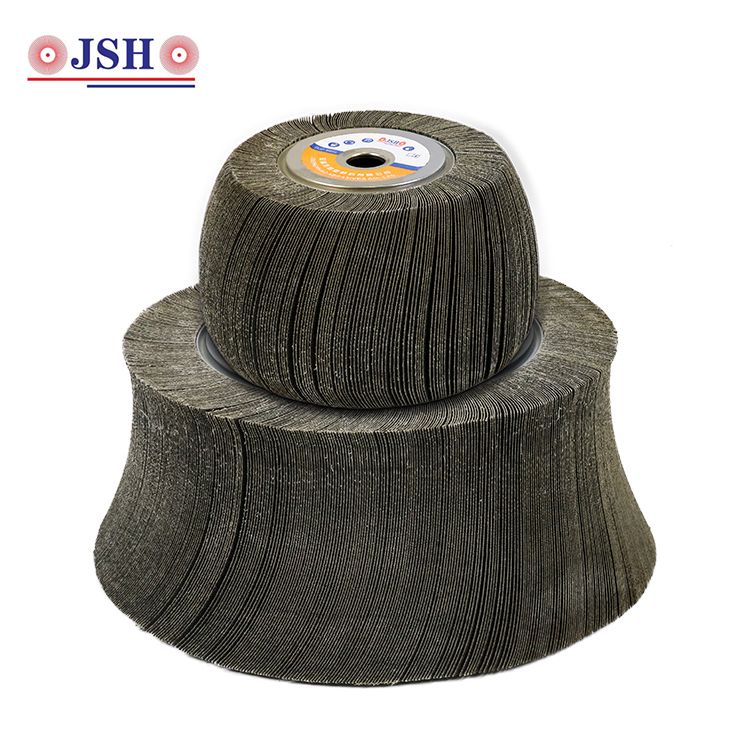
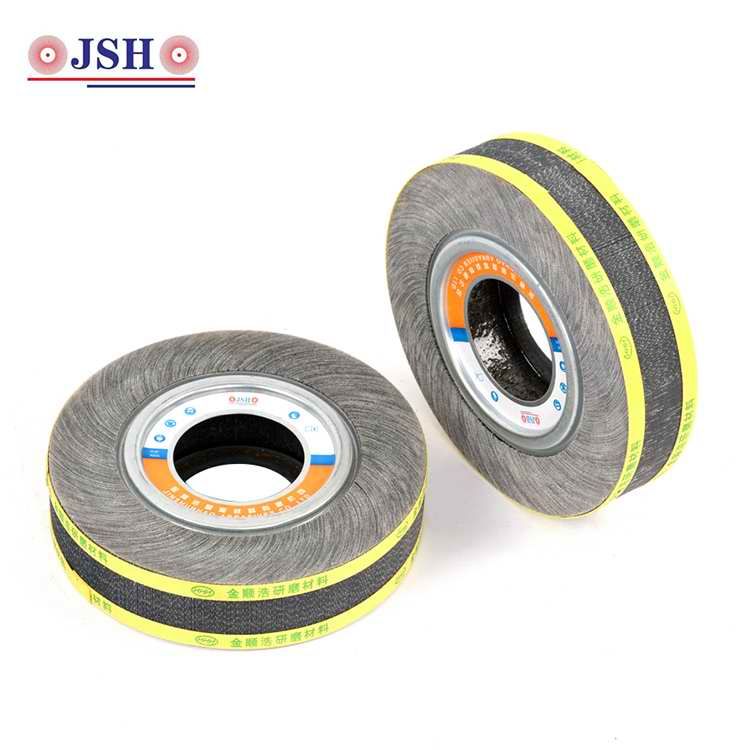
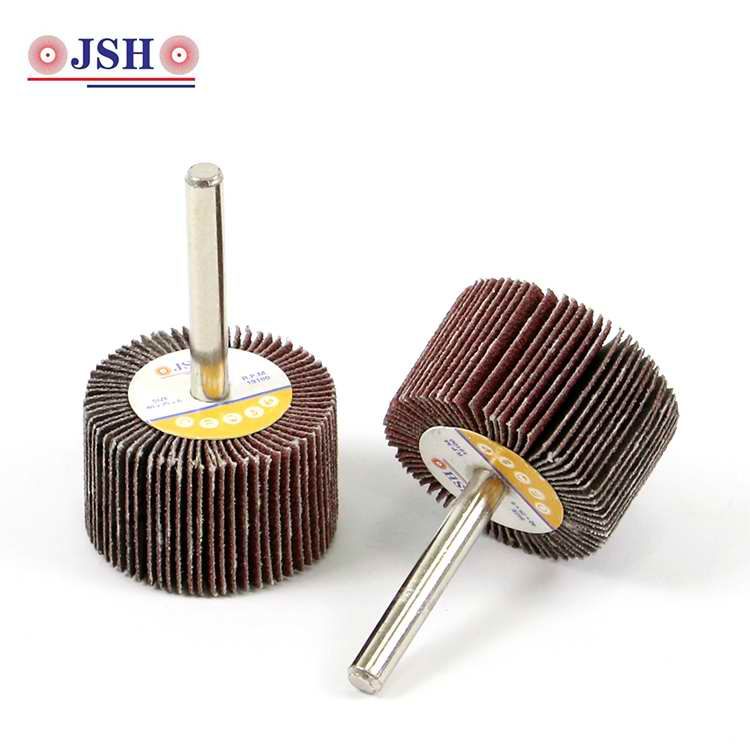
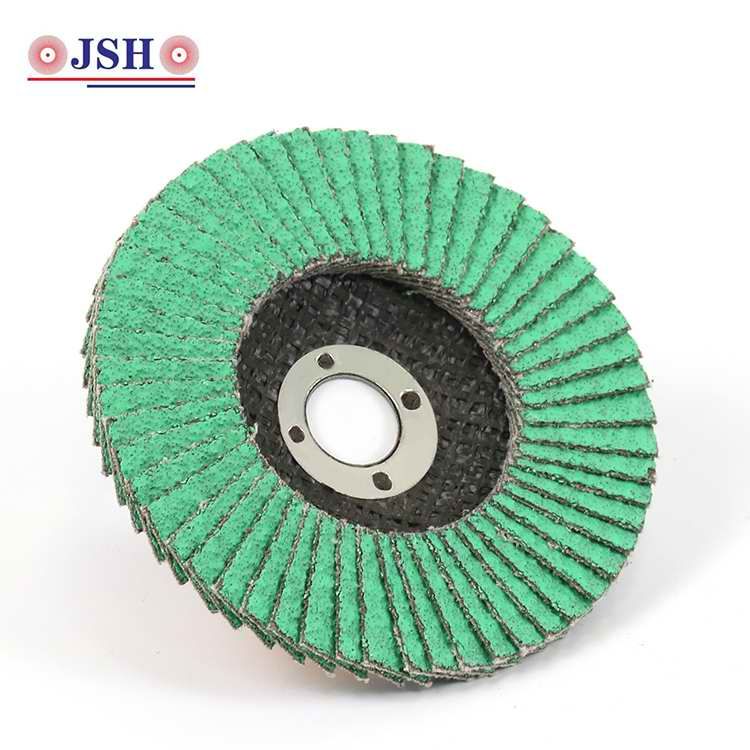
After cutting and welding, the surface often has burrs, oxidation, and uneven weld seams. At this stage, abrasive belts, grinding wheels, and flap discs are commonly used. The goal is not beauty yet, but shape correction and surface leveling.
Using the right grit size here is critical. Too coarse, and you create deep scratches that are hard to remove later. Too fine, and efficiency drops fast. Many stainless steel fabricators rely on industrial polishing solutions from JSH to keep this stage stable and repeatable.
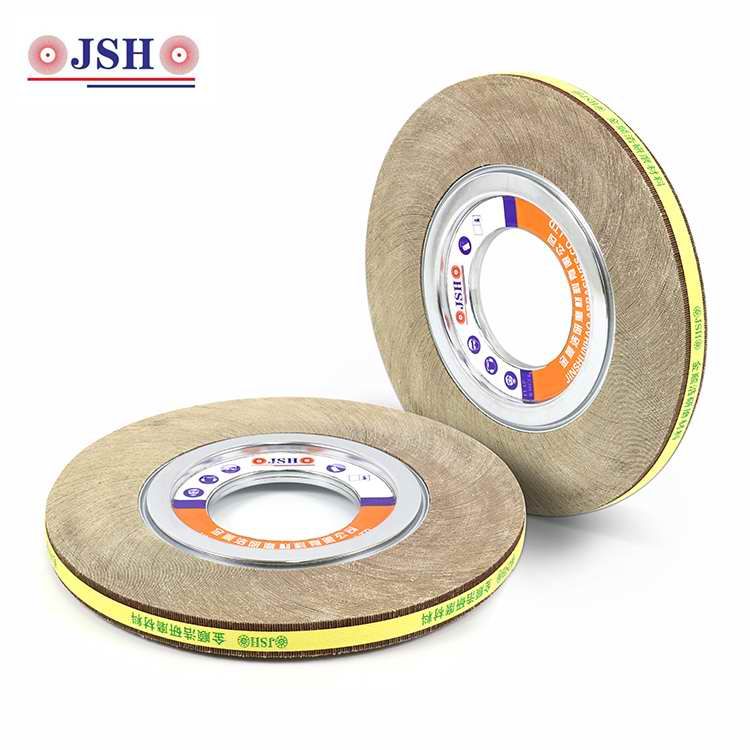
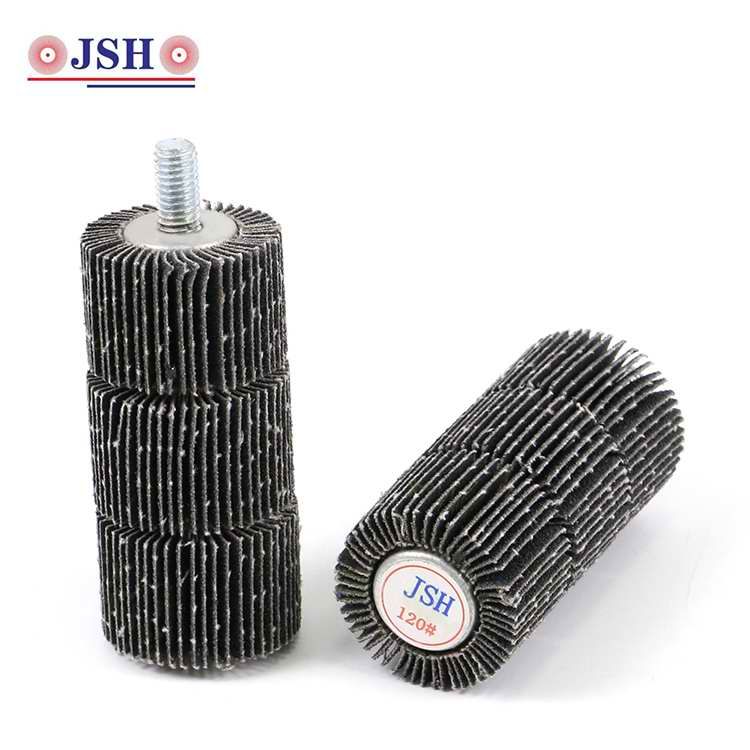
Once the heavy defects are removed, intermediate polishing smooths the surface and prepares it for final finishing. This step defines the overall texture, whether it’s satin, hairline, or brushed stainless steel.
Consistent pressure, speed control, and quality abrasives matter a lot here. Inconsistent tools often result in patchy finishes that look fine indoors but fail under strong lighting.
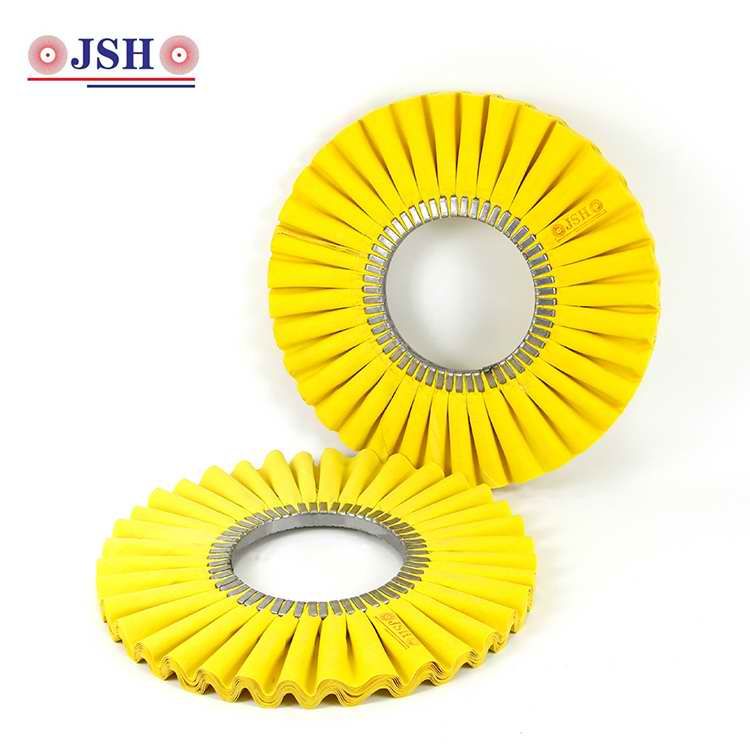
Final finishing is where stainless steel really comes alive. Depending on the requirement, this could be fine polishing, buffing, or mirror polishing using polishing compounds and soft wheels.
Mirror finish stainless steel is common in decorative metal fabrication, luxury interiors, and high-end equipment housings. Achieving this level of finish requires not just skill, but stable polishing materials that behave predictably batch after batch.
Different industries push stainless steel polishing in different directions.
In food and beverage equipment, hygiene comes first. Smooth, low-Ra surfaces help reduce contamination risks and make cleaning easier. Here, polishing solutions must focus on consistency and low surface roughness.
In architectural stainless steel fabrication, appearance is the key. Brushed stainless steel sheets, decorative panels, and handrails need a uniform grain direction and color tone. Small variations become very visible on large surfaces.
For industrial equipment and machinery, polishing often improves corrosion resistance and extends service life. Even when a mirror finish is not required, controlled surface polishing reduces micro-cracks where corrosion can start.
JSH works closely with fabricators across these sectors, offering stainless steel polishing solutions that adapt to real production needs instead of laboratory conditions.
Many fabricators buy polishing tools piece by piece, from different suppliers. This often causes hidden problems: mismatched abrasives, unstable quality, and inconsistent results.
A complete polishing solution means compatibility across all stages, from grinding to final finishing. It also means technical support, process advice, and products designed specifically for stainless steel fabrication.
As a professional stainless steel polishing solution manufacturer, JSH focuses on system-level thinking, helps customers reduce scrap rates, save labor time, and deliver a more consistent surface finish to their clients.
When selecting a polishing solution supplier, price should not be the only factor. Fabricators should look at product consistency, technical support, and real experience in stainless steel applications.
A reliable supplier understands how different stainless steel grades react during polishing. They can recommend suitable abrasives, polishing compounds, and process sequences based on your equipment and output goals.
JSH has built its reputation by supporting fabricators with practical, field-tested polishing solutions for stainless steel fabrication, not just selling products but helping improve the entire finishing workflow.
Polishing is not the final step in stainless steel fabrication; it is the step that defines quality. From rough grinding to mirror finishing, every stage affects performance, appearance, and customer satisfaction.
By choosing complete polishing solutions designed for real fabrication environments, manufacturers can achieve stable finishes, reduce rework, and strengthen their brand image. JSH provides professional stainless steel polishing solutions backed by industry experience and technical support.
If you are looking to upgrade your stainless steel finishing process or need a reliable polishing partner, contact JSH today and discover how the right polishing solutions can make a real difference in your fabrication results.