Electropolishing and mechanical polishing both make stainless steel pipe smoother and brighter, but they work in completely different ways. Mechanical polishing grinds the surface with abrasives. Electropolishing dissolves a thin layer of metal in a chemical bath. Choosing the wrong one, or skipping the right preparation, costs time and money.
| Mechanical Polishing | Electropolishing | |
|---|---|---|
| Method | Abrasive grinding and polishing | Electrochemical metal removal |
| Removes weld and deep scratches | Yes | No |
| Reaches inner walls and crevices | Limited | Yes |
| Corrosion and hygiene benefit | Moderate | High |
| Cost for large simple parts | Lower | Higher |
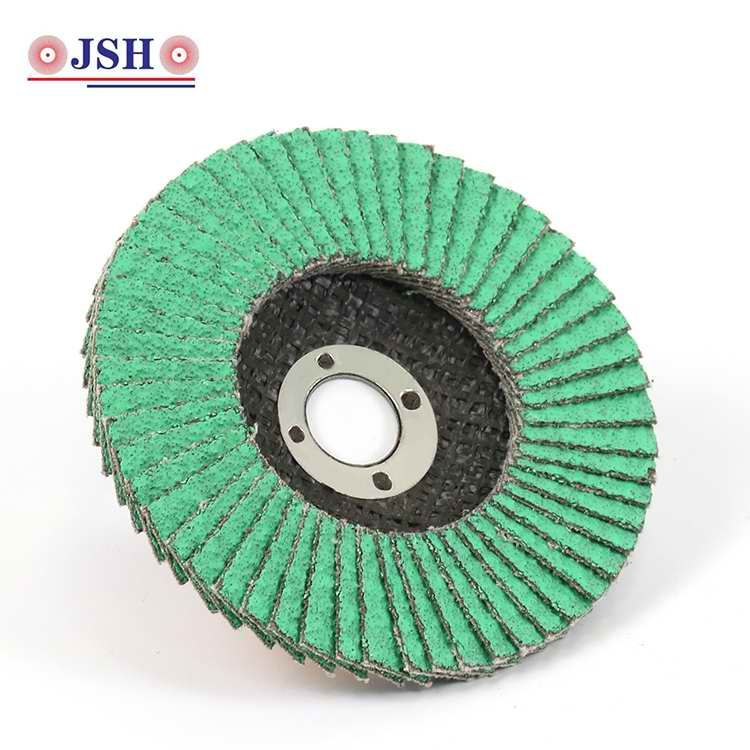
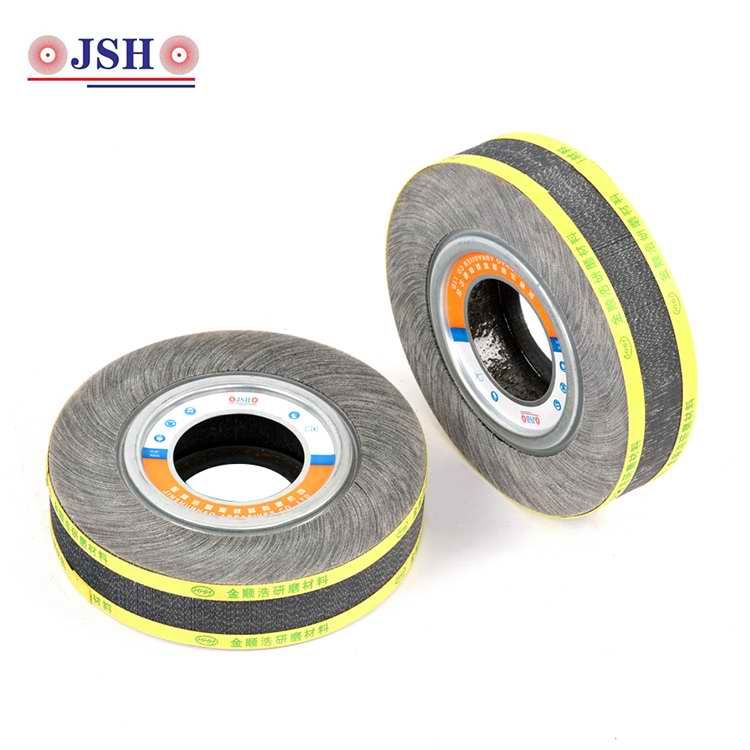
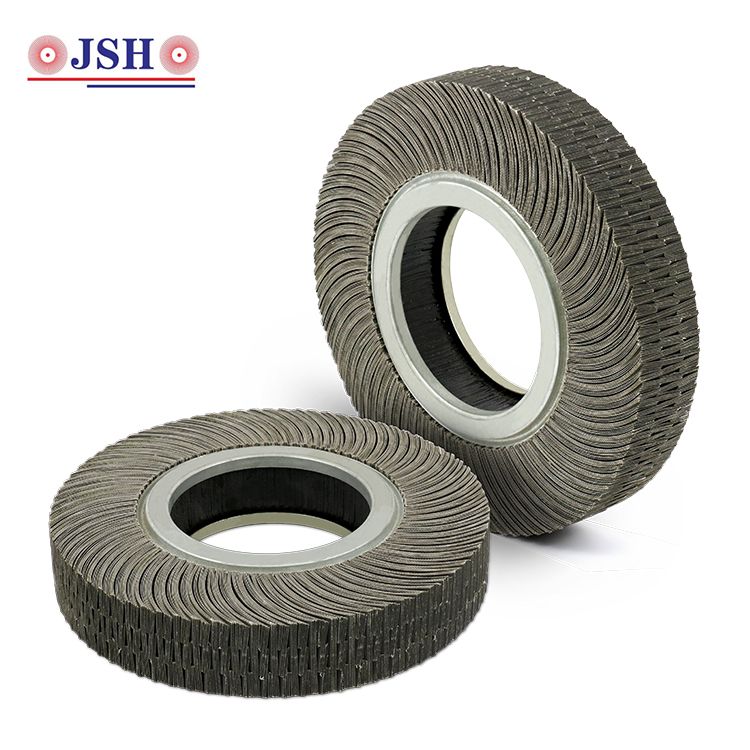
Mechanical polishing uses flap wheels, abrasive belts and compounds to cut the surface down to the required finish. On stainless steel pipe, it removes weld seams, oxidation and scratches, then blends the surface through progressively finer grits.
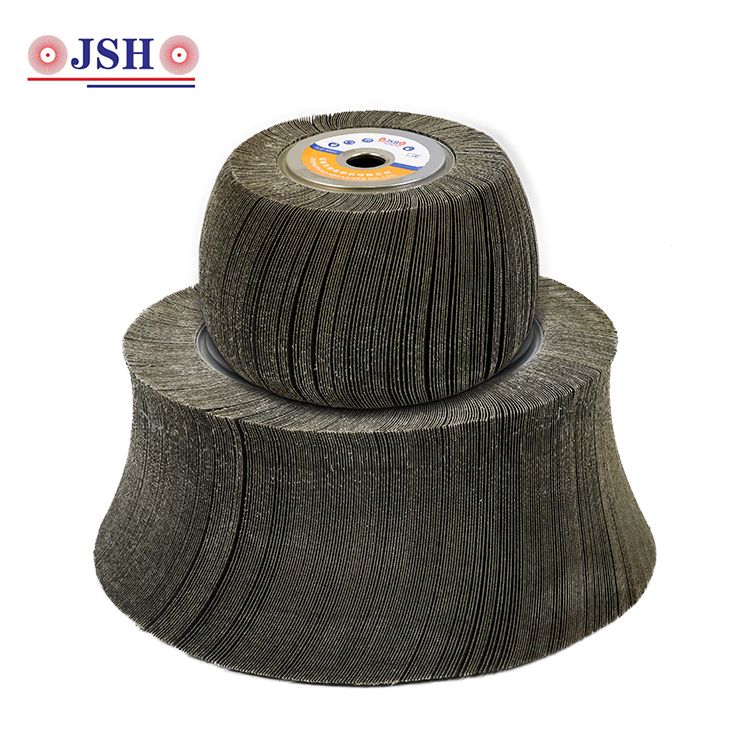
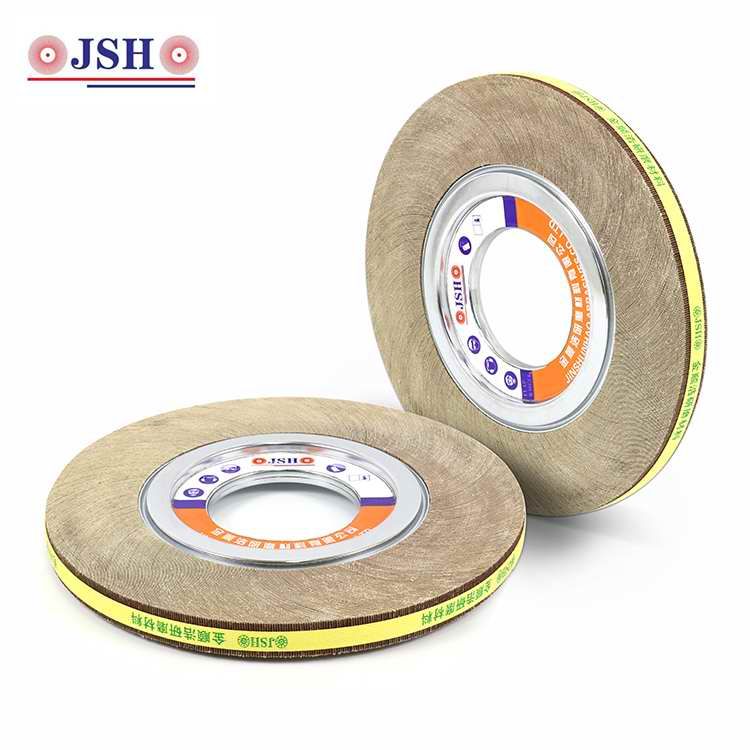
For outer wall work, the Flap Wheels FW001, Flap Wheels FW002 and Flap Wheels FW003 are the standard choices. For the bore, the Inside polish Flap wheel FW005A reaches what an outer wall wheel cannot.
Electropolishing immerses the pipe in an acid electrolyte and passes current through it. The metal dissolves fastest at the microscopic peaks, which levels the surface and makes it bright. The process also removes free iron and leaves the chromium-rich passive layer intact.
Mechanical polishing wins where material has to be removed. A welded pipe with a visible seam, deep scratches or a rough oxide layer needs abrasives first. Electropolishing wins where cleanliness and corrosion resistance matter more than stock removal, such as food, pharmaceutical and semiconductor piping.
Electropolishing also wins on inner surfaces. A long pipe bore is difficult to polish mechanically, but the electrolyte reaches the entire inner wall evenly.
Mechanical polishing is usually cheaper per part on straightforward shapes, especially on long production runs. Electropolishing carries higher setup and chemical costs, so it is typically reserved for parts where hygiene and corrosion performance justify the price. In practice, the two are often used together rather than chosen against each other.
The standard approach for high-end stainless steel pipe is mechanical first, electropolish second. The abrasive stage removes the weld and levels the surface, and the electropolish pass then brightens the surface and restores the passive layer. Skipping the mechanical stage leaves the weld and scratches visible, while skipping the electropolish leaves grinding lines and possible contamination.
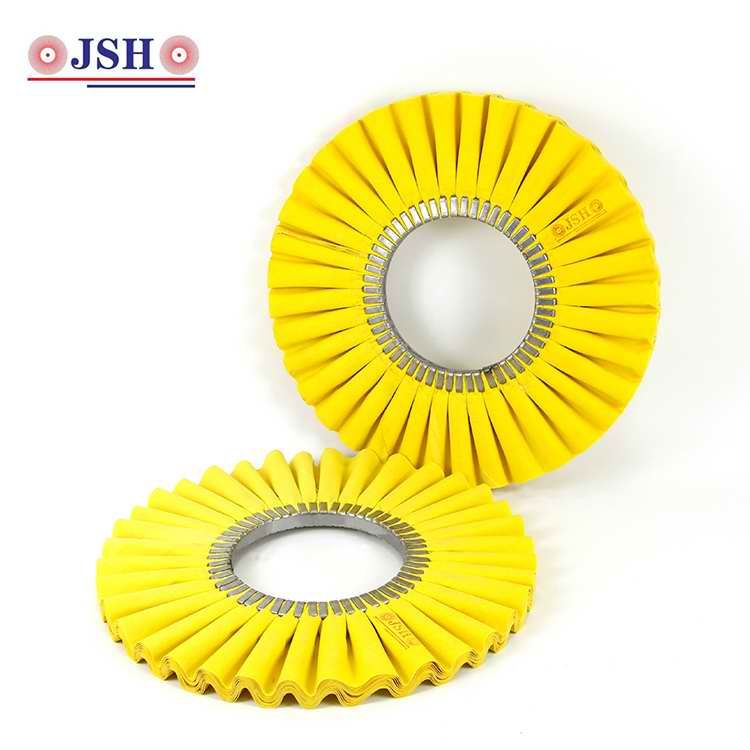
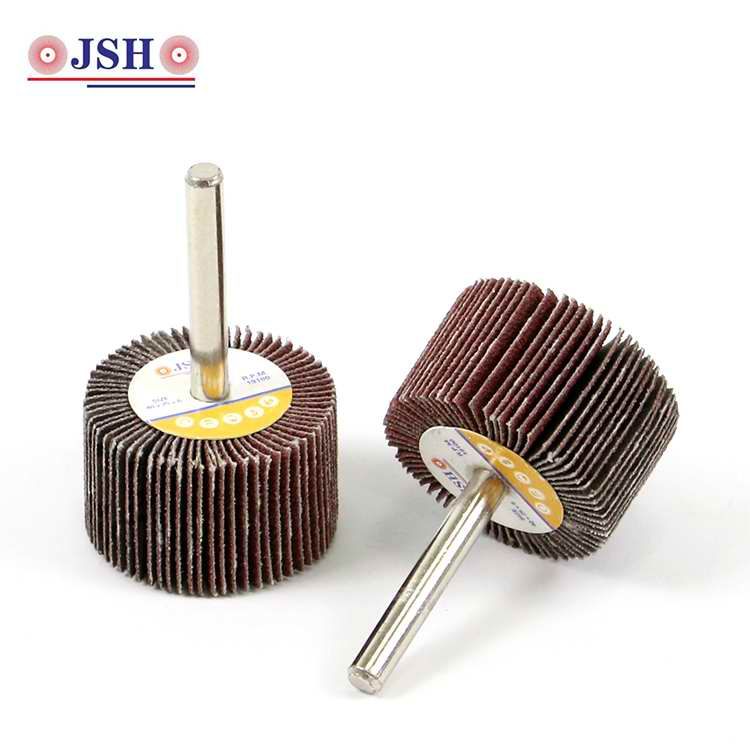
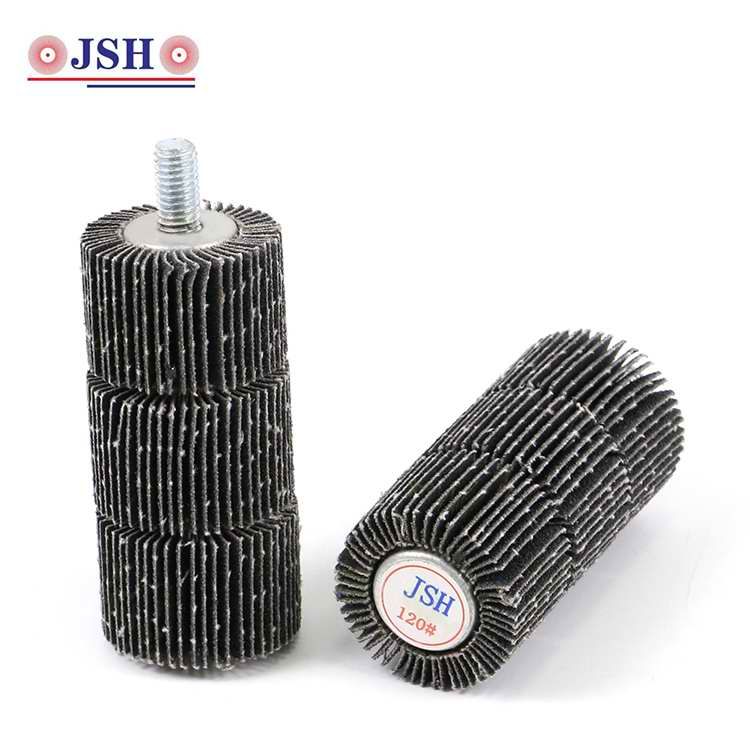
The mechanical stage starts with the right flap wheel. Outer wall work uses the Flap Wheels FW001, Flap Wheels FW002 and Flap Wheels FW003. Inner wall work uses the Inside polish Flap wheel FW005A, irregular shapes use the Special Shaped Flap Wheel FW008, and detail work uses the Flap wheel with shank category.
Mechanical polishing removes material; electropolishing refines and passivates. For most stainless steel pipes, the right answer is both, in that order. Get the weld and scratches out with a flap wheel first, then use electropolishing where the surface must be clean, bright and corrosion resistant.