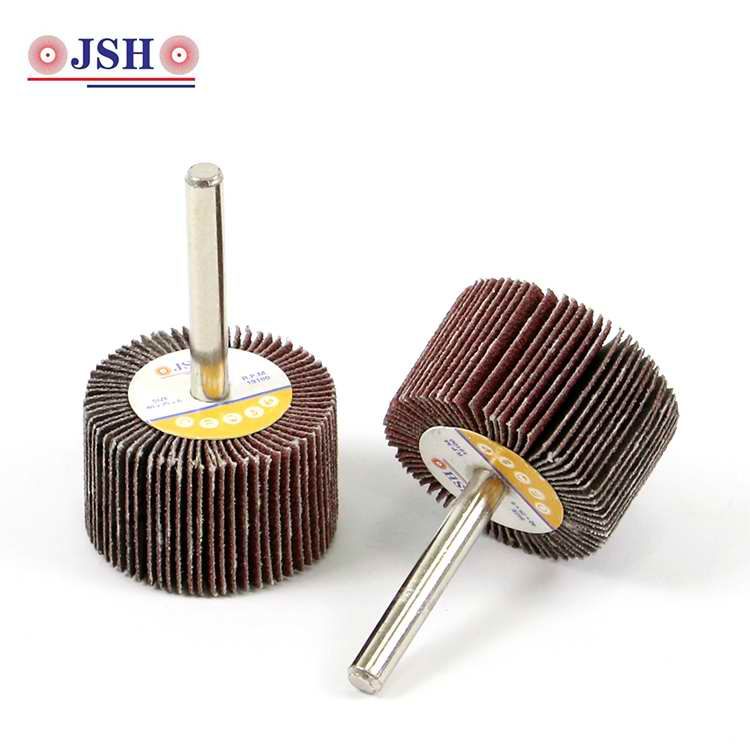
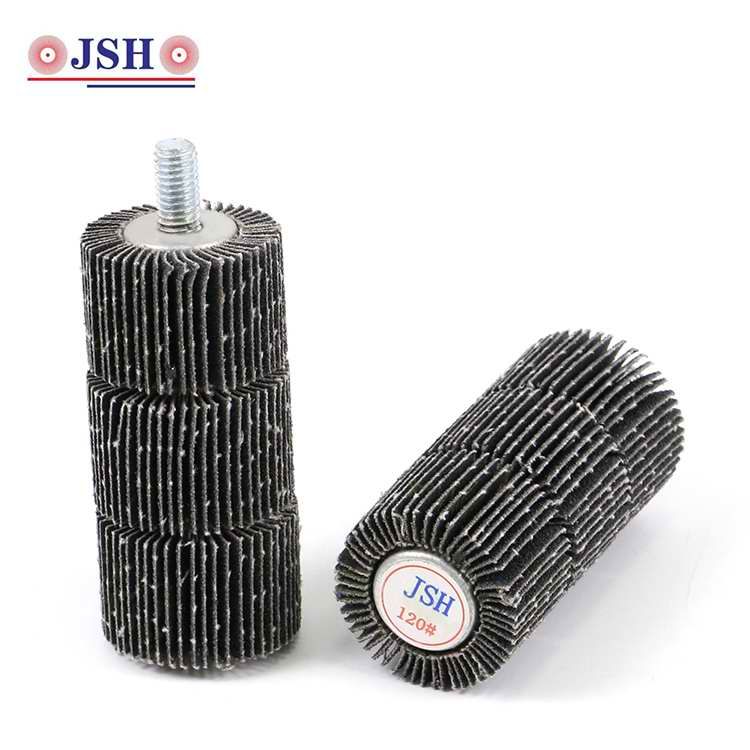
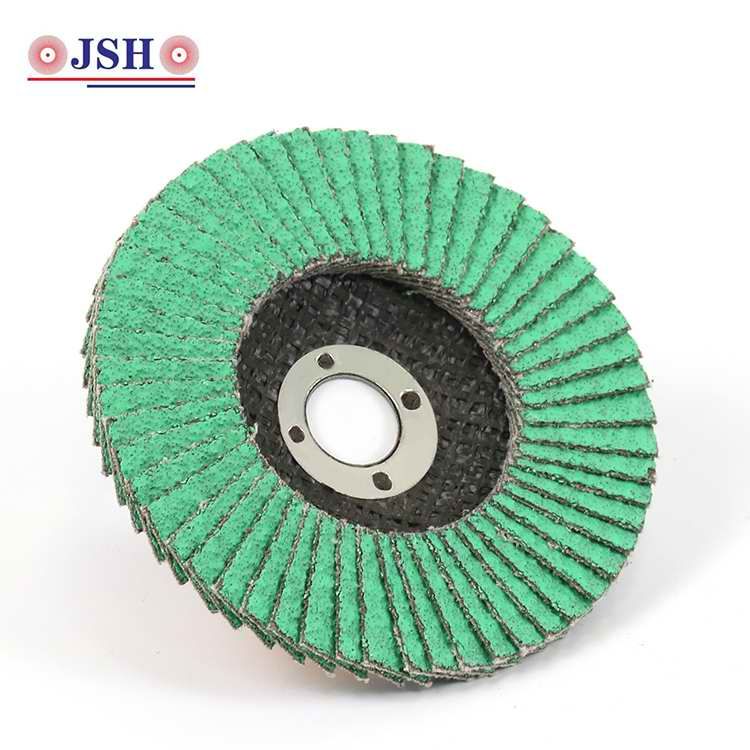
Food-grade stainless steel is everywhere in modern plants. You see it on mixing tanks, conveyors, hoppers, worktables, pipe welds, and even small brackets that hold sensors. It looks tough, but the surface is actually easy to damage if you pick the wrong abrasive. Deep scratches can trap residue, and rough weld areas can be hard to clean. That is why many fabricators and maintenance teams like using flap wheels for stainless steel when they need controlled cutting and a cleaner finish.
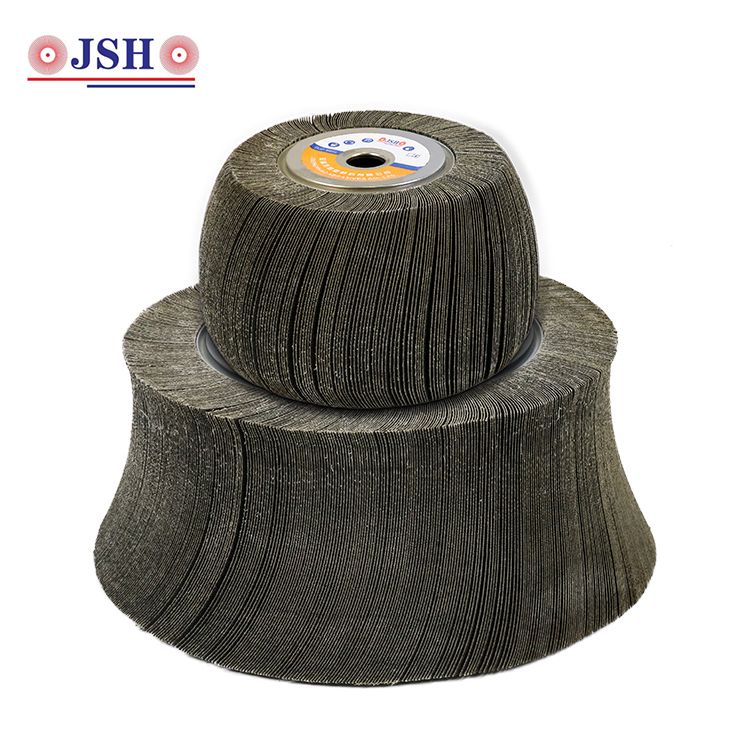
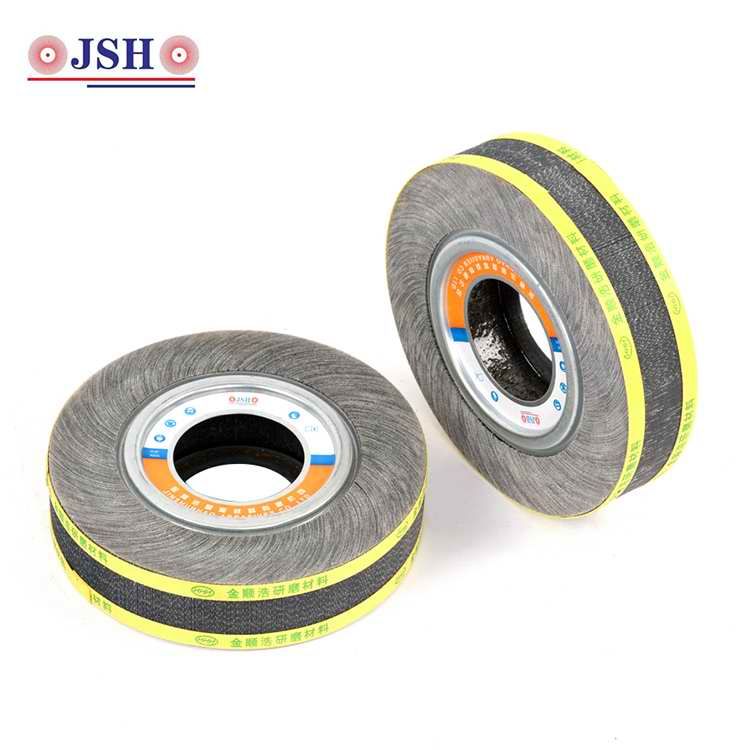
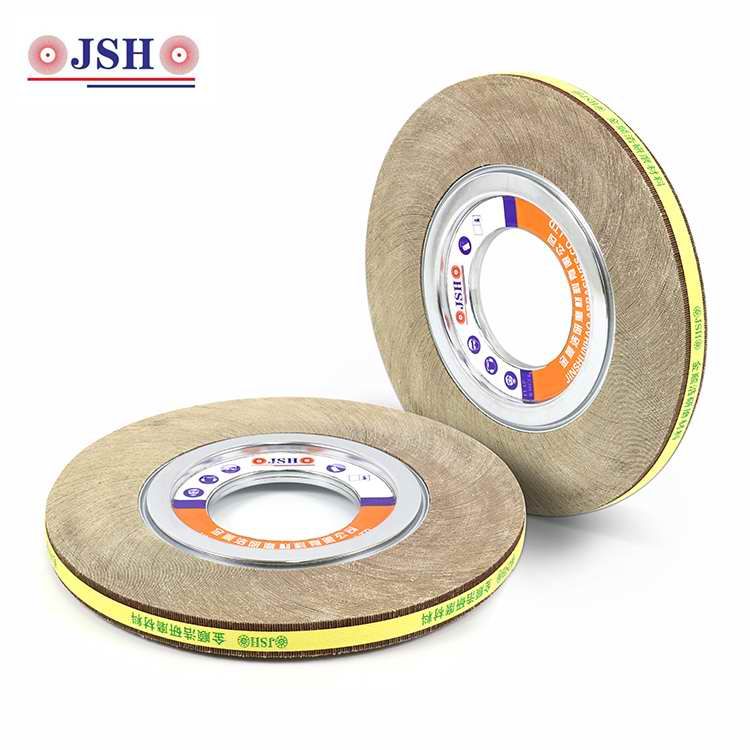
A flap wheel is basically layers of coated abrasive flaps wrapped around a hub. The flaps keep exposing fresh grit as they wear, so you get steady performance.
Compared with a hard grinding wheel, it is usually easier to control on curved parts and thin sheet metal.
In food equipment work, control matters. You often need to blend a weld without flattening the base metal, or smooth an edge without leaving sharp grooves.
Most food lines use 304 stainless steel or 316 stainless steel. Both resist corrosion, but only if the surface is treated properly. If you smear iron into the surface, or overheat it, you can create discoloration and corrosion spots later. This is one reason stainless steel surface finishing is not just “make it shiny”. It is about hygiene, cleanability, and corrosion resistance.
In food processing equipment, a common target is a smooth, even finish that is easy to wash down. You might be matching a satin look on a tank, or cleaning up weld discoloration before passivation. Sometimes you are repairing a dented guard or modifying a bracket, then you need consistent blending so inspectors do not see rough patches.
In real shop work, flap wheels are often used in the middle stage. First you may do rough grinding on a weld bead, then switch to a flap wheel to blend and remove grinding marks. After that, you might go to non-woven surface conditioning for a more uniform look.
● Weld blending on sanitary piping and tube connections
● Edge rounding on stainless sheet to reduce burrs
● Finishing on stainless steel tanks and kettles
● Touch-up work on conveyor frames after repairs
● Deburring stainless steel parts before assembly
If you are working inside a tank or around tight corners, a smaller diameter flap wheel can be easier to maneuver. For flat sheet panels, a larger wheel can keep the pattern more even.
People sometimes buy a random grit and hope it works. In food-grade stainless, that can waste time. A simple approach is to pick grit based on what you are removing.
For weld blending, 40 to 80 grit is common. If the weld is already close and you mainly want to smooth the transition, 80 grit can be safer. For general surface preparation before polishing or brushing, 120 grit and higher often gives a nicer base.
A big point is using abrasives made for stainless steel. Many shops prefer zirconia flap wheels because they cut well and last longer on stainless, especially on tougher welds. Ceramic flap wheels can be even more aggressive and cool cutting, but they may be more than you need for light blending. What matters is not the buzzwords, it is the result and how hot the part gets.
Heat is the silent problem. Too much pressure on an angle grinder can discolor stainless. It also makes the finish uneven, like shiny spots mixed with dull spots. A flap wheel helps because it is more forgiving, but you still need good habits.
Try lighter pressure and keep the tool moving. Let the abrasive do the work. If you see blue or dark straw colors, you are likely overheating. Also, keep stainless-only tools. If you use the same wheel or brush on carbon steel, you can contaminate the surface. In hygienic stainless steel finishing, this is a real issue.
Dust control also matters. Food plants care about safety and cleanliness, even during maintenance shutdowns. Using a grinder with extraction, cleaning the area, and wiping surfaces after finishing reduces the risk of debris getting into equipment.
Even though a flap wheel is an abrasive tool, the goal is often a clean look that supports sanitation. Many teams aim for a consistent grain direction. If you blend randomly in circles, the finish can look patchy under bright plant lights. A simple trick is to make final passes in one direction. It looks more professional, and it is easier to inspect.
After abrasive work, many stainless components go through cleaning and passivation. Some go further into polishing, depending on spec. Flap wheels do not replace those steps, but they can make them faster because the surface is more uniform.
In production and MRO purchasing, consistency is everything. When one flap wheel is great and the next batch burns or sheds flaps, it slows the line and frustrates operators. That is why some plants prefer working with an abrasive manufacturer that can keep quality stable and recommend the right mix of grits for different stations.
JSH supports stainless steel fabrication and food-grade stainless maintenance with a practical range of flap wheels, including zirconia flap wheels and ceramic flap wheels, plus other surface finishing tools. If you are setting up a repeatable process for weld blending, deburring, and stainless steel surface finishing, JSH can help you choose the right specs for your angle grinder and your target finish.
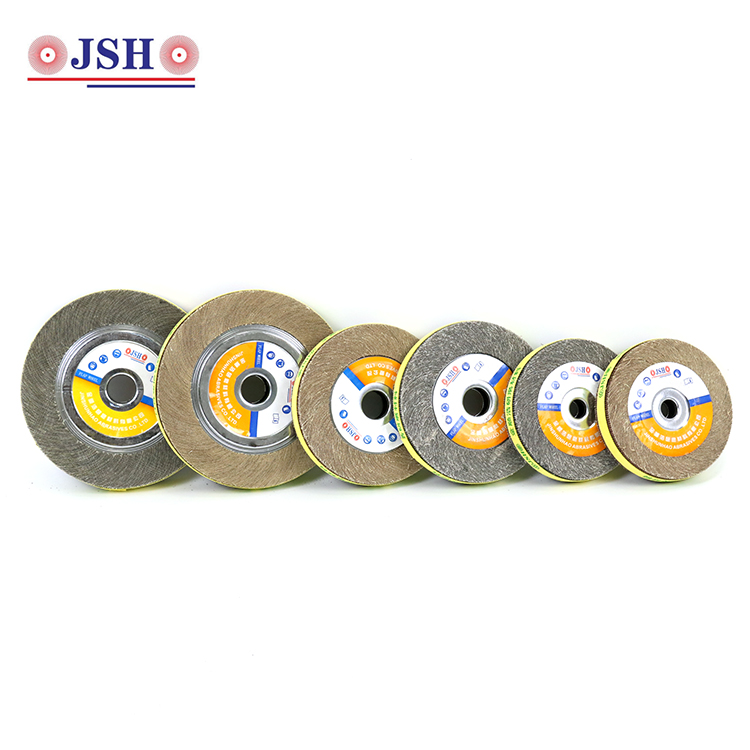
Stainless Steel Flap Wheel Supplier
Flap wheels working in food-grade stainless steel is really about control: removing weld marks, smoothing edges, and creating a finish that stays clean and corrosion resistant.
With the right grit, steady technique, and stainless-only handling, a stainless steel flap wheel can save time and reduce rework on 304 stainless steel and 316 stainless steel equipment.
If you want a more consistent result across tanks, piping, and conveyor frames, talk with JSH about flap wheels for stainless steel and the full JSH abrasive product series for food processing equipment.