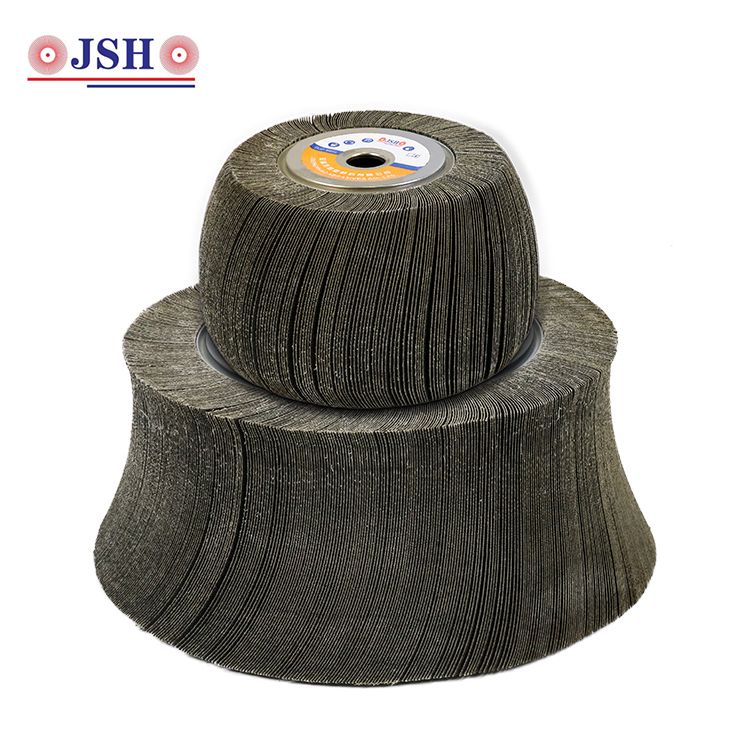
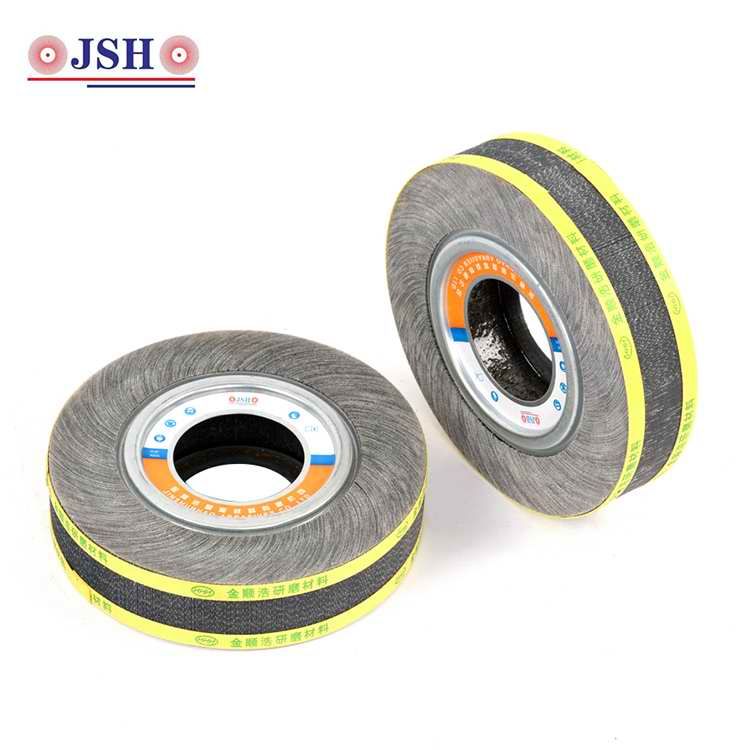
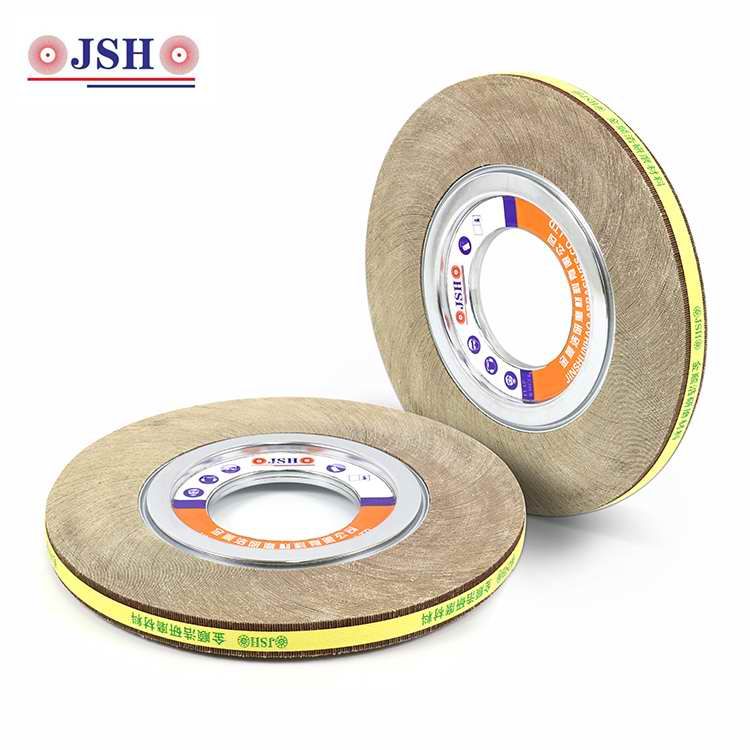
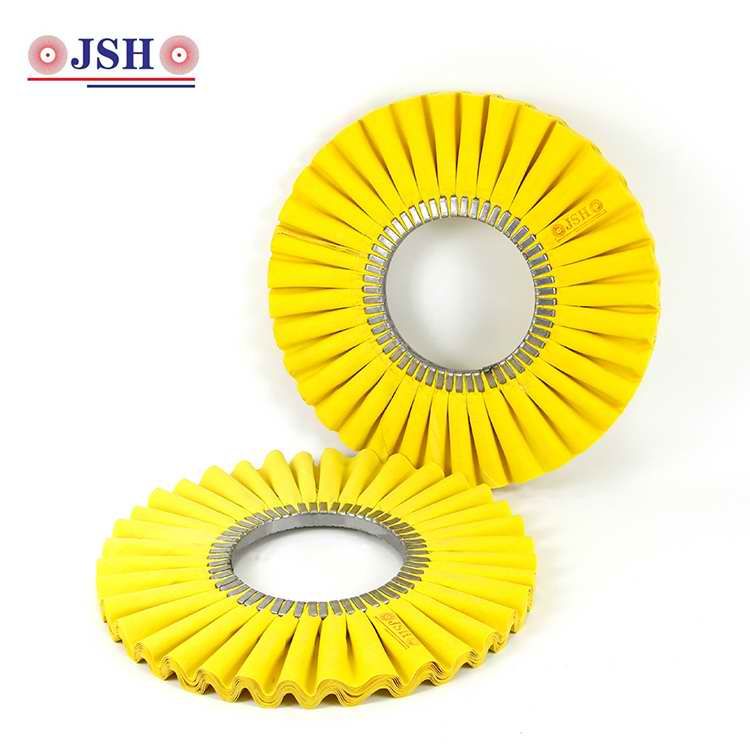
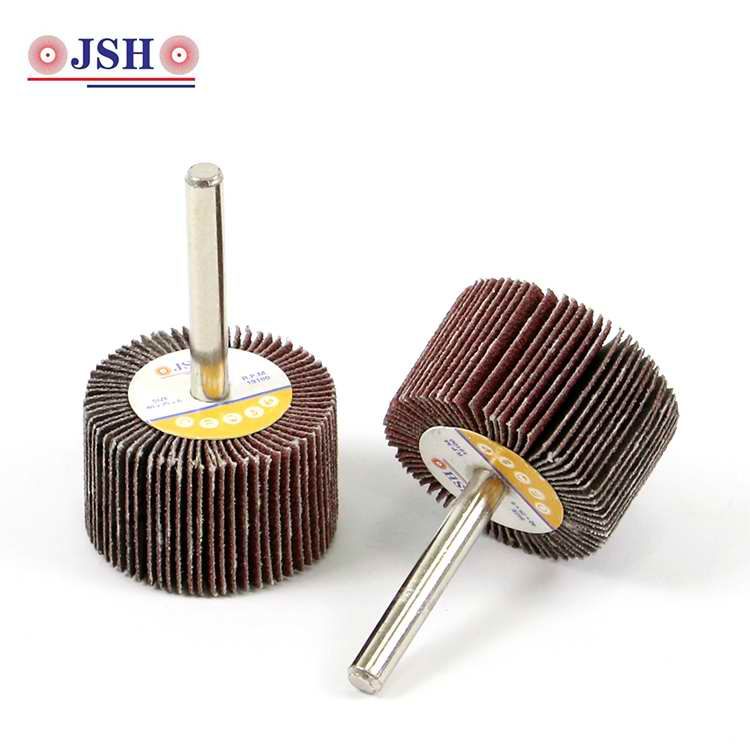
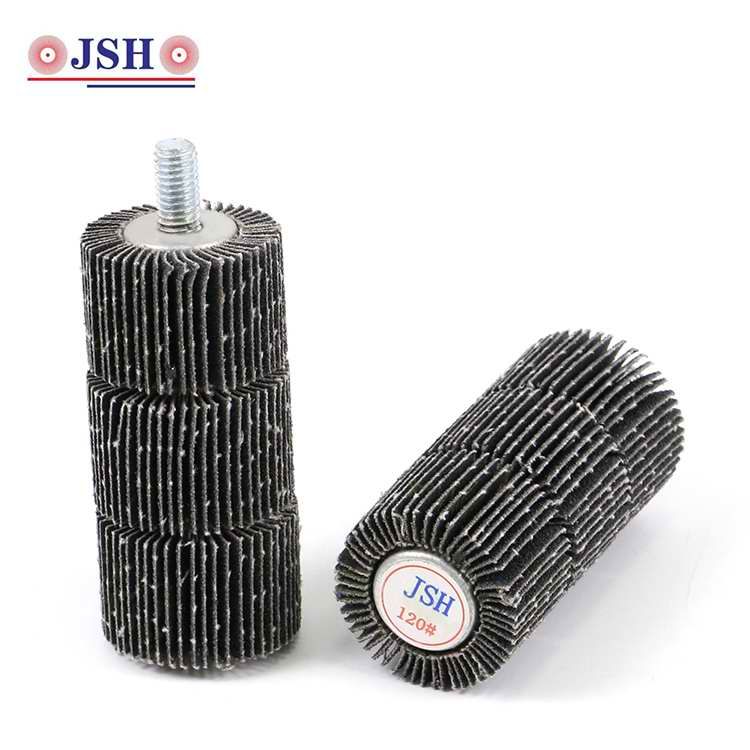
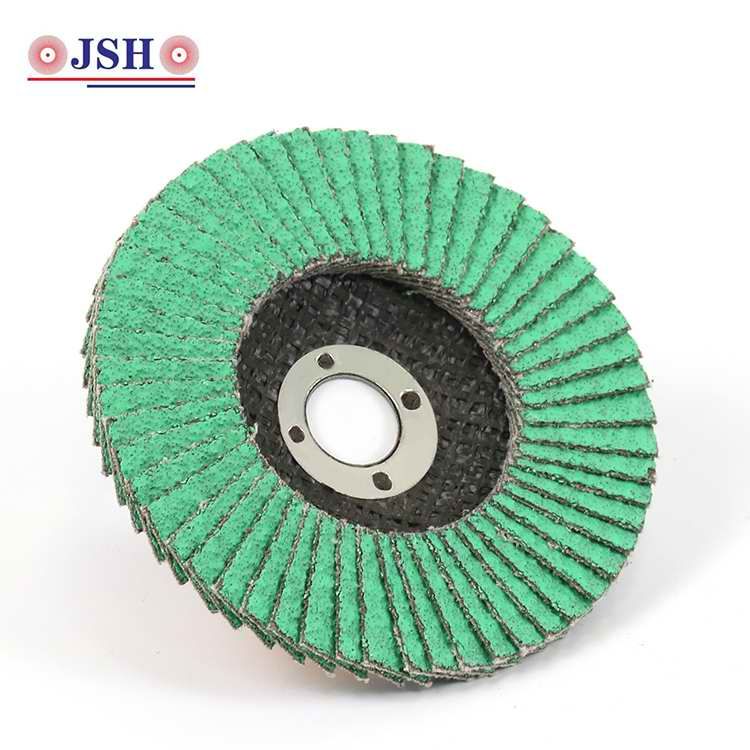
Metal grinding and surface preparation are essential processes in many manufacturing industries. From fabrication workshops to large-scale industrial production, abrasive discs are widely used to remove excess material, prepare surfaces, and improve the quality of finished components.
Choosing the right abrasive disc directly affects grinding efficiency, surface quality, and overall production performance. Different applications require different abrasive characteristics, including cutting ability, durability, finishing capability, and compatibility with specific materials.
For professionals working with stainless steel, carbon steel, aluminum, and other metals, understanding how abrasive discs perform in different conditions helps create more efficient and reliable finishing processes.
This guide explains the key factors involved in abrasive disc selection, including abrasive grain, grit size, application requirements, and performance considerations.
.jpg)
Abrasive discs are used throughout different stages of metal processing, including cutting, grinding, surface preparation, and finishing.
Each application has different performance requirements. Heavy grinding operations require strong material removal capability, while surface preparation processes require better control and finishing consistency.
Selecting a suitable abrasive disc helps manufacturers achieve:
For industrial users, abrasive selection is an important part of maintaining stable production quality.
Abrasive discs support various metalworking operations. The correct disc type depends on the purpose of the process and the condition of the workpiece.
Grinding is one of the most common applications for abrasive discs.
During fabrication, metal components may require removal of:
Grinding discs provide strong cutting performance and help improve the surface condition before further processing.
For heavy-duty applications, manufacturers usually prioritize durability and efficient material removal.
Surface preparation plays an important role in coating, painting, and other finishing processes.
Abrasive discs help remove:
A properly prepared surface improves the quality and consistency of subsequent treatments.
Welded metal components often require additional grinding to create a smoother transition between welded areas and surrounding surfaces.
Abrasive discs are commonly used for:
The right abrasive solution helps achieve efficient grinding while maintaining better control over the final surface condition.
Choosing an abrasive disc requires consideration of several factors. The workpiece material, processing goal, and equipment conditions all influence the final selection.
Different metals require different abrasive characteristics.
Stainless steel is commonly used in industries where corrosion resistance and appearance are important.
Abrasive discs for stainless steel processing should provide:
Typical applications include:
Carbon steel often requires stronger grinding performance due to heavier material removal requirements.
Applications include:
Durable abrasive discs help maintain productivity during demanding grinding operations.
Aluminum requires suitable abrasive selection to maintain smooth cutting performance.
The abrasive solution should help reduce loading and support controlled surface treatment.
The abrasive grain determines cutting performance, durability, and finishing capability.
Aluminum oxide is widely used for general metal grinding applications.
Its advantages include:
It is commonly selected for standard grinding and surface preparation operations.
Zirconia abrasives provide stronger cutting performance and improved durability.
They are suitable for applications requiring:
Common uses include metal fabrication and weld processing.
Ceramic abrasive discs are designed for demanding industrial applications.
They provide efficient cutting performance and are commonly used for:
Ceramic abrasives are suitable for applications where consistent performance is required.
Grit selection affects the balance between material removal and surface smoothness.
Coarse grit abrasive discs are suitable for aggressive grinding operations.
Common uses include:
They provide faster cutting performance during initial processing.
Medium grit discs are commonly used for general grinding and surface preparation.
They help achieve:
Fine grit abrasive discs are used when surface appearance is more important.
Applications include:
The equipment used during grinding influences abrasive disc performance.
Abrasive discs are commonly used with angle grinders in fabrication and maintenance applications.
Important considerations include:
Selecting suitable specifications helps maintain safe and efficient operation.
Grinding pressure affects both cutting performance and abrasive lifespan.
Controlled pressure helps maintain stable performance and improves surface consistency.
The working technique also influences the final result. Proper movement and suitable operating speed help achieve better finishing quality.
Abrasive discs are used across many industries that require efficient metal processing solutions.
Fabrication companies use abrasive discs for:
They support efficient processing of various metal structures and components.
Machinery manufacturers often require precise surface preparation before assembly or coating.
Abrasive discs help remove imperfections and prepare components for additional processing.
In repair environments, abrasive discs provide flexible solutions for restoring metal surfaces.
Common applications include:
Proper abrasive selection and usage methods help maximize performance.
The material, processing stage, and desired surface result should determine abrasive disc selection.
Correct machine settings and proper grinding methods contribute to stable performance and longer service life.
Industrial applications often require professional support to identify suitable abrasive solutions.
An experienced abrasive manufacturer can provide recommendations based on specific materials and production requirements.
Choosing the right abrasive disc is essential for achieving efficient metal grinding and high-quality surface preparation. Material compatibility, abrasive grain, grit selection, equipment requirements, and processing conditions all influence the final results.
From heavy grinding and weld treatment to surface refinement and industrial finishing, suitable abrasive discs help manufacturers improve productivity and maintain consistent quality.
With professional abrasive manufacturing experience and a wide range of industrial solutions, JSH provides reliable abrasive discs and finishing products designed to support different metal processing applications.