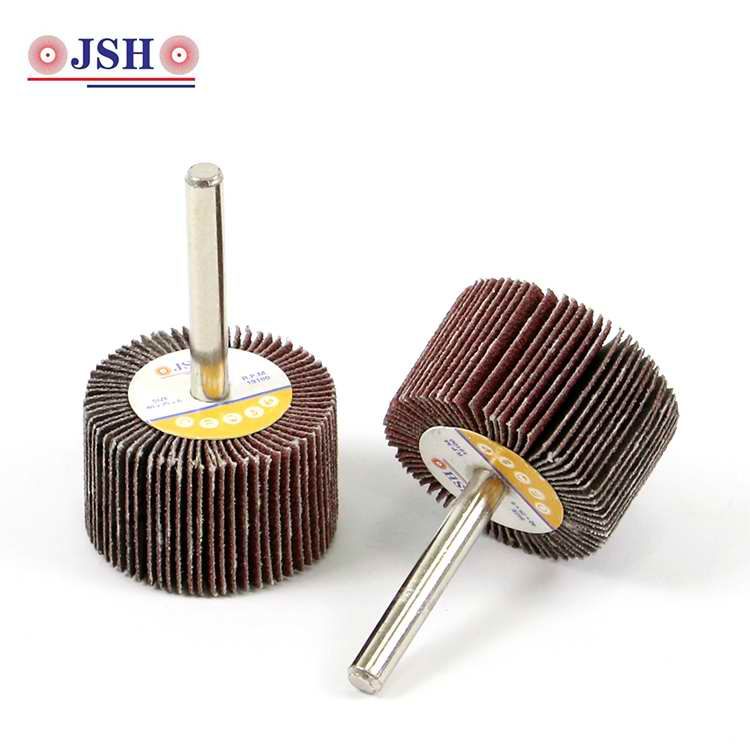
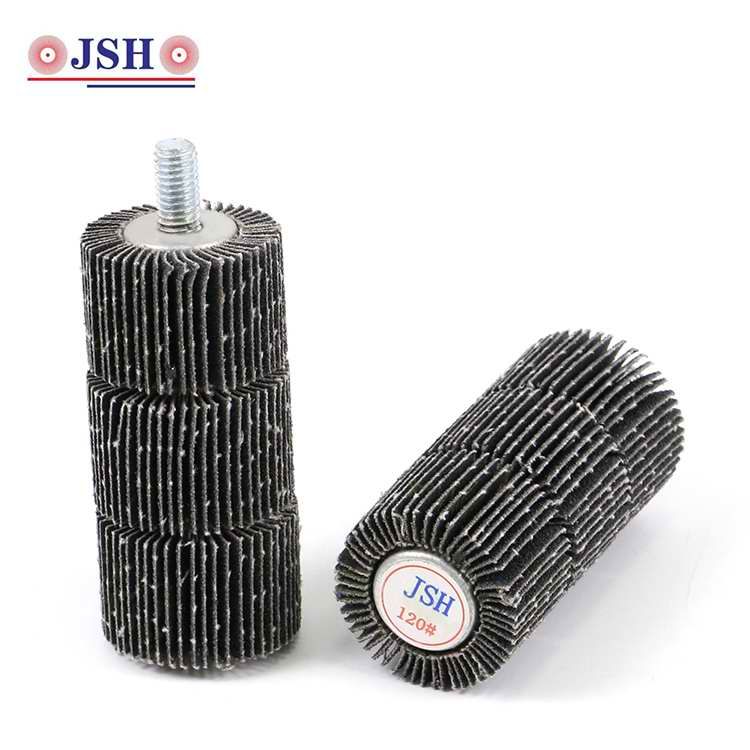
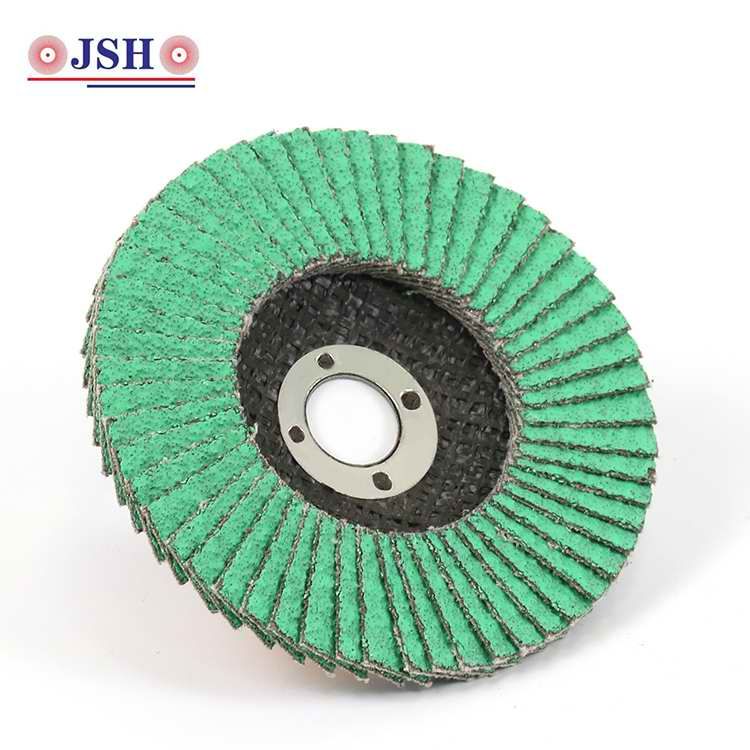
Selecting the right flap wheel for stainless steel pipe polishing is often more important than simply buying the most expensive option. Flap wheels are flexible and conform well to curved surfaces, which means they can grind and polish a pipe without creating flat spots or sharp edges. However, if the diameter, bore size, abrasive, grit or hardness does not match the job, operators quickly run into common problems such as burning, blue discoloration, short service life and uneven surface finish.
This article uses the JSH stainless steel flap wheel product range to explain a practical, step-by-step selection method for stainless steel pipe and tube polishing.
Stainless steel is tough and has relatively poor thermal conductivity. During grinding, heat builds up quickly at the contact area. When the temperature becomes too high, the surface turns blue or black, which is known as burning. This not only ruins the appearance but can also reduce corrosion resistance by damaging the passive layer on the surface.
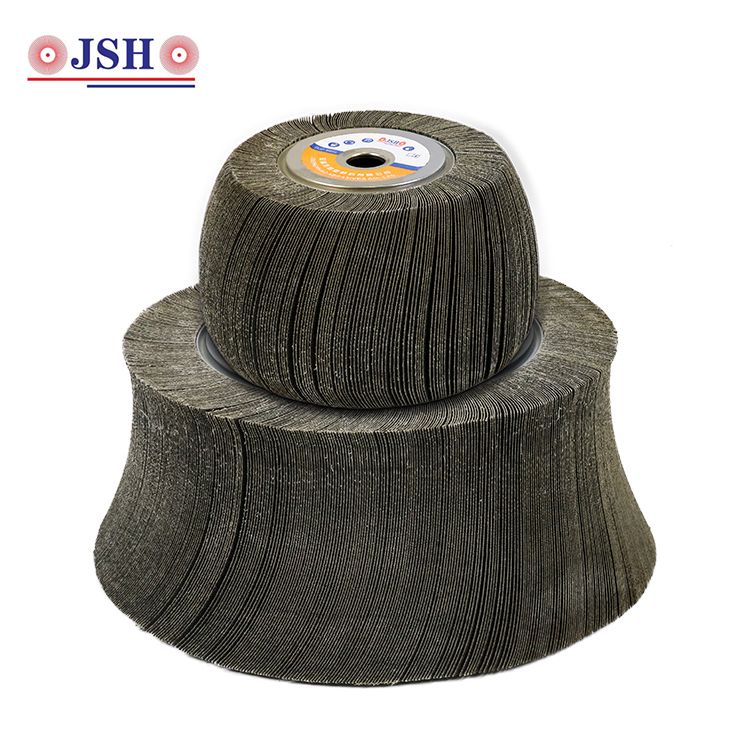
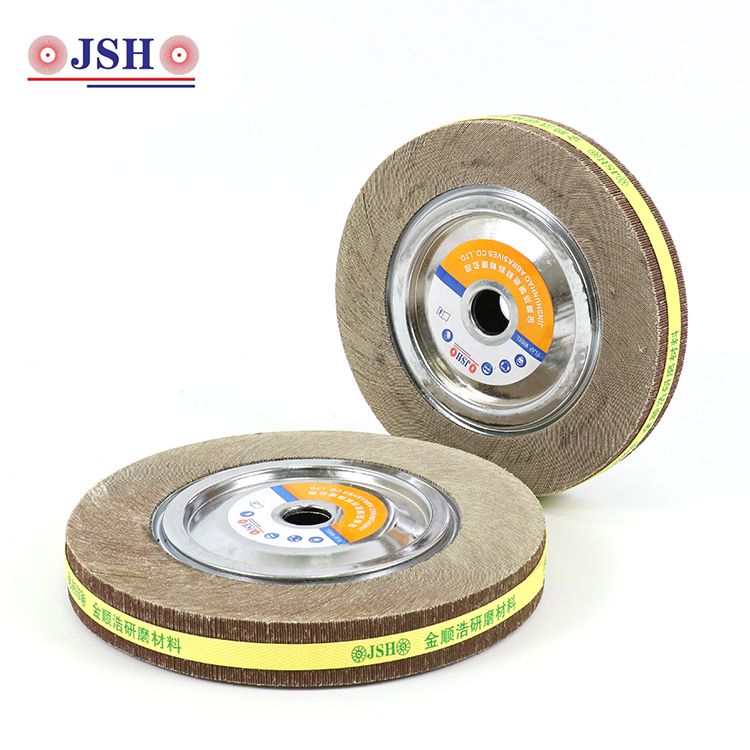
Compared with a rigid grinding wheel, a flap wheel is made of many abrasive sheets arranged like a fan around a core. This design provides better heat dissipation and better self-sharpening. As the abrasive sheets wear down, fresh abrasive grains are continuously exposed, which produces a more even cutting action.
For stainless steel pipe, a dedicated flap wheel offers two main advantages. First, it conforms to the curved wall of the pipe, reducing the risk of local over-grinding. Second, it allows a controlled, step-by-step process, from removing the weld seam with coarse grit to achieving a mirror finish with fine grit.
For this reason, stainless steel pipe polishing should not rely on a hard flat wheel. A stainless steel specific flap wheel is usually the better choice.
Before choosing a grit or size, first identify which part of the pipe needs to be polished. This determines the product type.
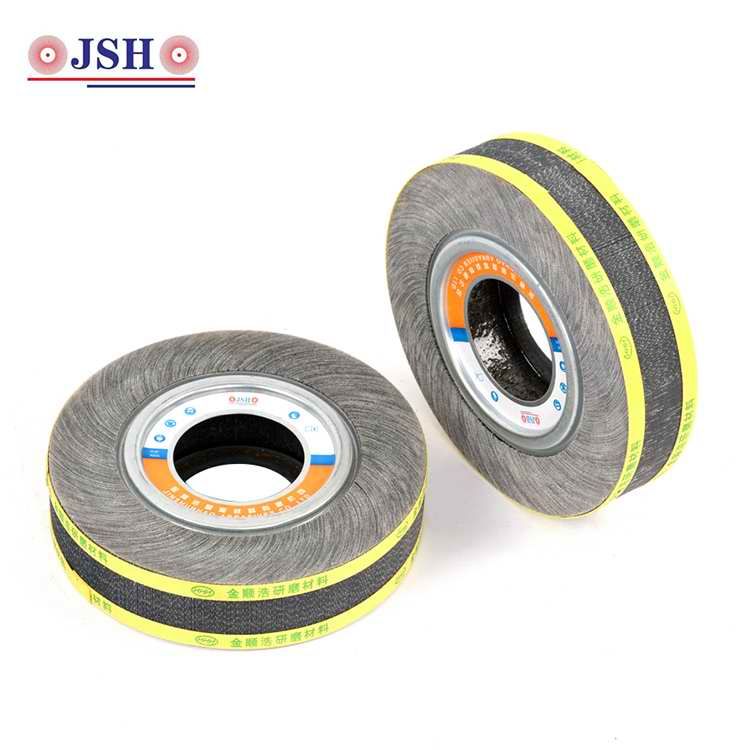
If the main task is to polish the outside of the pipe, the first products to consider are the stainless steel pipe flap wheel and the stainless steel tube flap wheel. These are suitable for grinding the outer wall, removing scratches and producing a uniform finish on the external surface.
If the pipe needs internal polishing, the operator should choose an inner polishing machine flap wheel. Inner wall polishing places greater demands on chip removal and heat dissipation. The wheel diameter must be matched carefully to the inner diameter of the pipe. If the fit is wrong, the wheel may jam, wear unevenly or fail to reach the required surface quality.
For stainless steel welded pipe and decorative tube production, the weld seam is usually ground continuously on a tube mill. In this application, a tube mill flap wheel is the correct choice. This type of flap wheel must provide stable batch performance and withstand high-speed operation, so it should be matched with the speed and power of the tube mill.
For special tubes such as heat exchangers and condensers, a flap wheel for heat exchanger tube can be considered.
After confirming the working area, the next step is to look at the required final surface and decide the grit for each stage of the process.
Use a low grit, such as 36 to 60 grit, for fast stock removal. This stage removes weld beads, scratches and oxide layers quickly. A tube mill flap wheel or a stainless steel pipe flap wheel is suitable for this rough work.
Use 80 to 120 grit to gradually remove the marks left by the coarse wheel. This stage smooths the transition between grinding lines and prepares the surface for fine polishing. A standard stainless steel polishing flap wheel works well here.
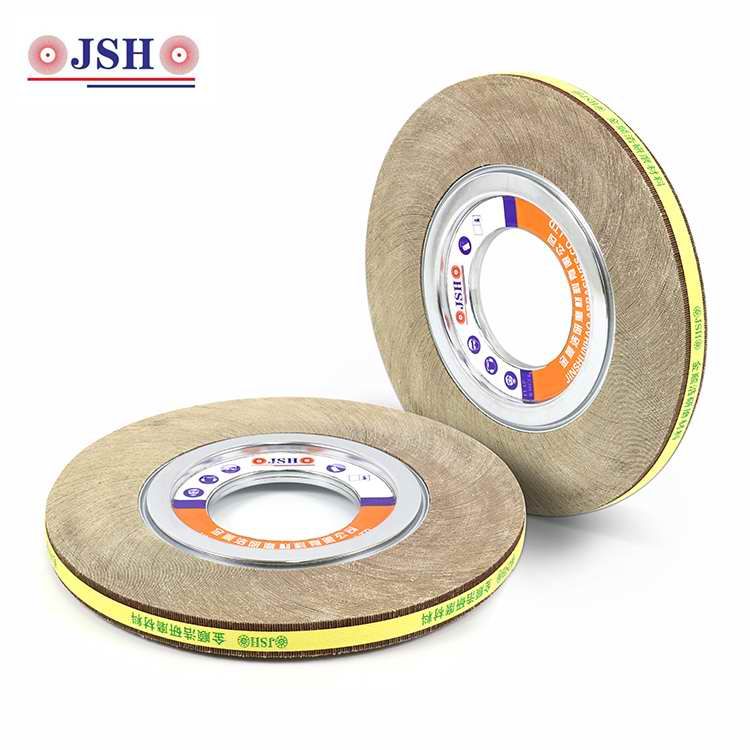
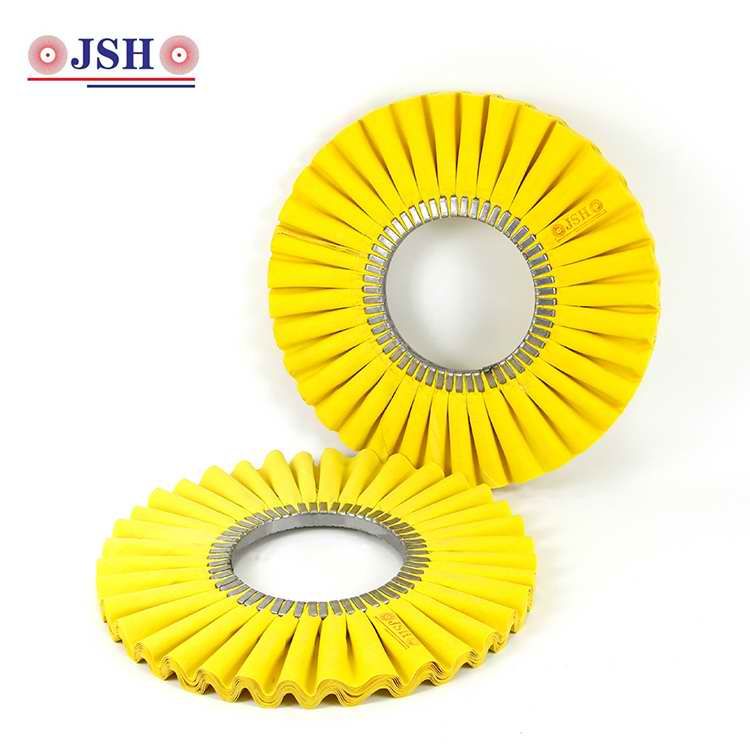
To achieve a mirror effect, use a high grit and progress step by step. The final stage should use a mirror polish stainless steel flap wheel. Mirror polishing is very sensitive to temperature, so speed, feed rate and pressure must all be controlled to avoid re-burning the surface.
Before ordering, check the following parameters carefully.
The outer diameter must fit the available installation space on the machine and suit the pipe diameter.
The bore must match the machine arbor. If the bore is wrong, the wheel may run eccentrically, causing vibration, uneven finish and safety risks.
The width affects how much surface is ground in a single pass and therefore influences overall efficiency.
For stainless steel polishing, abrasives such as aluminum oxide and zirconia alumina are common because they offer good heat resistance and wear resistance.
Choose the grit according to the coarse, medium and fine stages described above.
A wheel that is too hard tends to burn the surface, while a wheel that is too soft wears out too quickly. The hardness should be matched to the material and the operating speed.
JSH supports custom sizes and shapes according to customer requirements, so special pipe diameters and irregular shapes can also be produced to specification.
.jpg)
| Application | Recommended Product | Main Purpose |
|---|---|---|
| Tube mill / welded pipe line | Tube mill flap wheel | Remove weld seam, continuous grinding |
| Pipe outer wall | Stainless steel pipe flap wheel | Outer wall grinding and scratch removal |
| Tube outer wall / general | Stainless steel tube flap wheel | Outer wall polishing |
| Inner wall / bore | Inner polishing machine flap wheel | Inner wall polishing, oxide removal |
| Heat exchanger / condenser tube | Heat exchanger tube flap wheel | Special tube polishing |
| Final mirror finish | Mirror polish SS flap wheel | High-gloss mirror finishing |
| General fine polishing | Stainless steel polishing flap wheel | Medium and fine blending |
A cheap wheel with the wrong grit causes rework and higher total cost.
A mismatched bore causes eccentric running, poor surface quality and potential safety problems.
Using very fine grit to remove a heavy weld seam is inefficient. The correct method is to move step by step from coarse to medium to fine.
Inner wall and outer wall polishing have different diameter and chip removal requirements. These two types should not be used interchangeably.
Choosing a flap wheel for stainless steel pipe polishing comes down to three steps. First, confirm whether you are polishing the outer wall, the inner wall or the tube mill line. Second, decide the required surface finish and set the correct grit sequence. Third, verify the outer diameter, bore, width, abrasive and hardness against the machine and the pipe.
If you are not sure which product to choose, provide the material, outer diameter, wall thickness, target surface grade and machine speed to the supplier. This information makes it much easier to match the correct stainless steel flap wheel for the job.