Choosing the right abrasive belt is not simply a matter of selecting the hardest grain or the lowest price. In real production environments, abrasive belt performance depends on a combination of factors, including the workpiece material, sanding pressure, machine speed, desired finish, belt construction, and operating conditions. A belt that performs well in heavy stainless steel grinding may not be suitable for glass edge finishing, while a belt that produces a refined finish on stone may not deliver the durability needed for aggressive metal stock removal.
For this reason, there is no single abrasive belt that is best for every application. The most effective choice comes from matching the abrasive type, grit size, backing, and belt design to the actual process. This guide explains how to choose the right abrasive belt for common materials such as metal, wood, glass, stone, and ceramics, while also clarifying where silicon carbide, zirconia, ceramic, and aluminum oxide belts are commonly used.
Before comparing abrasive materials, it is important to understand the main variables that affect belt selection. In many cases, abrasive grain type is only one part of the decision.
Different materials create different sanding challenges.
The belt used for aggressive stock removal is often not the one used for final surface preparation.
In practice, many operations use more than one abrasive belt type across different sanding stages.
Heat generation is influenced by more than abrasive grain alone.
All of these factors affect surface temperature and belt wear. A sharp abrasive may help reduce friction in certain applications, but actual heat buildup depends heavily on the full operating condition.
Two abrasive belts using the same grain type can still perform very differently. Performance is also influenced by:
This is why supplier quality and product design matter just as much as the abrasive grain category.
Below is a practical overview of the abrasive grain types most commonly used in industrial sanding and grinding. Each has strengths, limitations, and preferred applications.
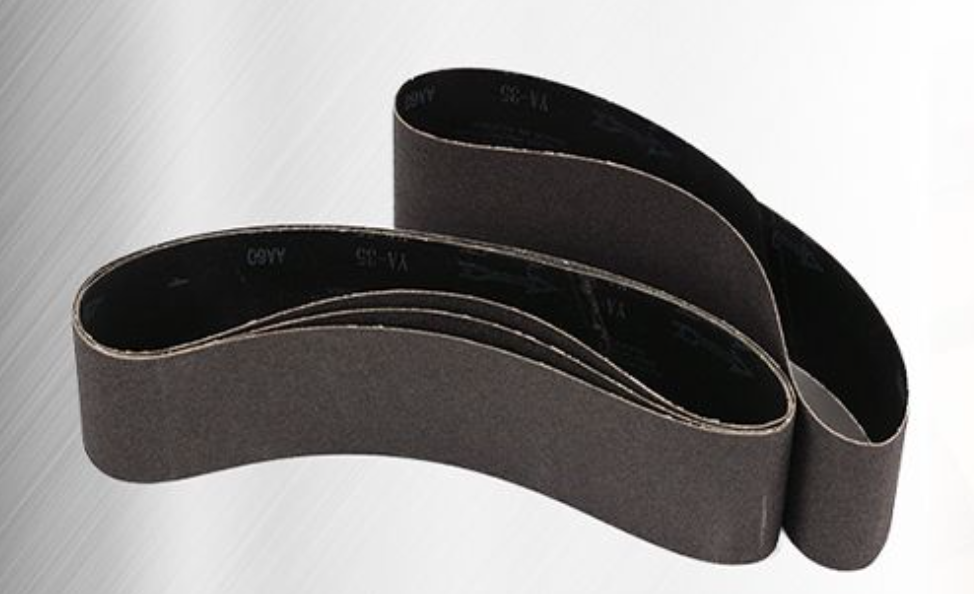
Silicon carbide is known for its high hardness and sharp cutting action. It fractures relatively easily, which can help expose fresh cutting edges in certain finishing operations.
Silicon carbide belts are commonly used for:
They are often selected for hard, brittle, or heat-sensitive materials, but actual performance still depends on grit, pressure, and belt design.
Zirconia alumina is widely used in demanding grinding applications because of its toughness and durability. It is commonly chosen where higher pressure and heavier material removal are required.
Zirconia belts are commonly used for:
They are often preferred in medium- to heavy-duty metalworking operations, especially where belt life under pressure is important.
Ceramic abrasive belts are also a major option in industrial metalworking. In many high-pressure applications, ceramic belts offer excellent cutting efficiency and long service life.
Ceramic belts are often used for:
In some operations, ceramic belts may outperform zirconia, especially when equipment and pressure levels are suitable for ceramic grain performance.
Aluminum oxide remains one of the most widely used abrasive materials across general-purpose sanding.
It is commonly used for:
In wood processing and certain non-ferrous metal applications, aluminum oxide belts—especially open coat or treated versions—are often a practical and cost-effective solution.
Metalworking usually places the highest demands on abrasive belts. However, belt selection should still be based on the specific metal, pressure level, finish target, and production environment.
Stainless steel is widely processed in fabrication shops, kitchen equipment manufacturing, architectural metalwork, and industrial production. It is strong, work-hardening, and sensitive to overheating or surface discoloration.
Common abrasive belt options for stainless steel include:
Zirconia is commonly used because it offers a strong balance of durability, cutting power, and cost. Ceramic may also be preferred where high pressure and aggressive removal rates are required.
For carbon steel, operators often prioritize cutting speed, belt life, and process economy.
Common belt choices include:
The best choice depends on whether the operation is focused on rough grinding, surface preparation, or scratch control before coating.
Aluminum, brass, bronze, and similar metals require more careful control because loading can reduce cutting performance quickly.
In these applications, abrasive belt selection may depend on:
Silicon carbide can be effective in certain non-ferrous finishing applications because of its sharp cutting action. However, anti-loading aluminum oxide belts, zirconia belts, or other specially treated abrasive belts may also be used depending on the process. For aluminum, belt design and loading resistance are often just as important as abrasive grain type.
Woodworking applications vary widely, from aggressive shaping to final sanding before painting or sealing. Because of this, wood sanding often uses several abrasive belt types across different stages.
For rough shaping, calibration, or removing uneven surfaces, durability and cut rate are important.
Depending on the process, manufacturers may use:
The best option depends on machine type, wood species, and required throughput.
In intermediate sanding, the goal is usually to remove scratches from previous steps and create a flatter, more uniform surface.
At this stage, common considerations include:
For final sanding, surface quality becomes especially important. In many woodworking applications, aluminum oxide belts are widely used for this purpose. In some cases, silicon carbide belts may also be used where a finer scratch pattern or a specific finishing effect is desired.
This means silicon carbide can be useful in certain finishing applications, but it should not be treated as the universal choice for all wood final sanding operations. Wood species, coating requirements, and sanding sequence all influence the right selection.
Glass, stone, and ceramics are different from metals and wood because they combine hardness with brittleness. This means process control is essential. Excessive pressure, poor belt choice, or unstable machine conditions can lead to chipping, edge damage, or inconsistent finishing.
Silicon carbide abrasive belts are widely used in these applications because of their sharp cutting action and suitability for hard, brittle materials.
They are commonly used for:
In many finishing processes, silicon carbide helps produce a controlled cut. However, the actual result still depends on grit progression, pressure, coolant or dry process conditions, and machine setup.
When working with glass, ceramics, or stone, belt selection should also consider:
These factors are often just as important as the abrasive grain itself.
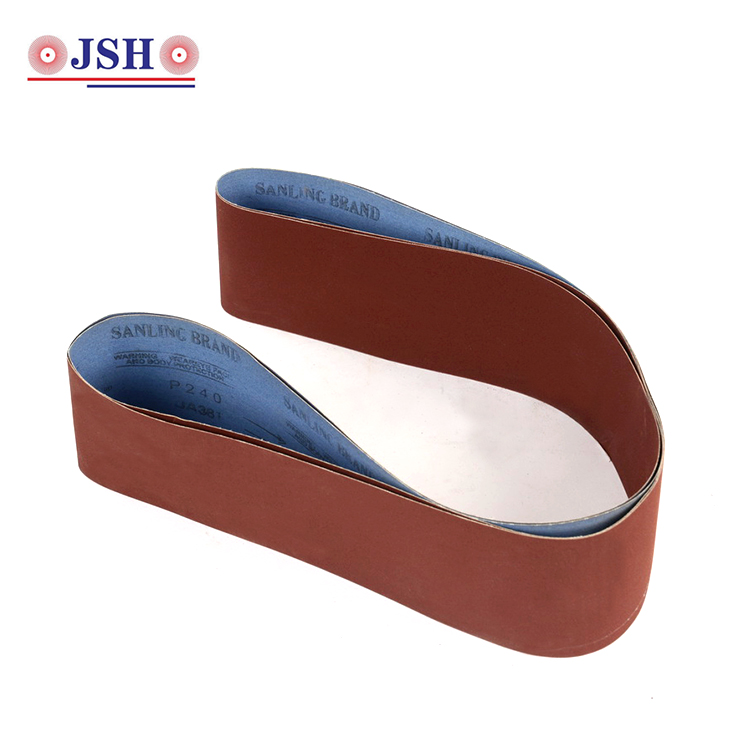
Even the right abrasive material can perform poorly if the grit size is not matched to the process stage. Grit progression is one of the most practical parts of abrasive belt selection.
Coarse grits are commonly used for:
They increase cutting aggressiveness but leave a rougher scratch pattern.
Medium grits are used for:
This stage often determines how much work will be required later.
Fine grits are commonly used for:
A better finish usually depends on both grit sequence and process control. Skipping grit steps may reduce productivity later by creating extra rework.
Many belt selection problems come from oversimplified decision-making. The following mistakes are common in both purchasing and production.
A lower-cost belt may not be the most economical option if it leads to frequent changes, inconsistent finish quality, or reduced production speed.
No abrasive belt is ideal for every material and every process. A belt that works well for stainless steel grinding may not perform well on aluminum, wood, or glass.
Belt performance depends on the complete sanding system, not just the abrasive grain. Speed, pressure, platen design, contact wheel hardness, dust extraction, and operator technique all affect results.
Statements such as “this abrasive is always best for this material” are often too broad. In industrial practice, belt selection should be verified against the actual process whenever possible.
The table below offers a practical starting point for abrasive belt selection. It is designed as a general guide rather than a fixed rule, since final choice depends on the full production condition.
| Material / Application | Commonly Used Abrasive Options | Key Selection Considerations | Typical Tasks |
|---|---|---|---|
| Stainless steel | Zirconia, ceramic | Pressure level, heat control, stock removal rate | Weld removal, deburring, grinding |
| Carbon steel | Zirconia, ceramic | Belt life, cut rate, process cost | Grinding, edge prep, scale removal |
| Aluminum | Silicon carbide, treated aluminum oxide, zirconia in some cases | Loading resistance, finish quality, pressure | Surface sanding, deburring, finishing |
| Hardwood | Aluminum oxide, zirconia in demanding applications | Throughput, scratch pattern, durability | Shaping, calibration, sanding |
| Softwood / plywood | Aluminum oxide, silicon carbide in some finishing operations | Surface smoothness, coating preparation | Intermediate and final sanding |
| Glass | Silicon carbide | Chipping control, edge quality, machine stability | Edge finishing, smoothing |
| Stone / ceramics | Silicon carbide | Surface quality, heat control, grit sequence | Smoothing, finishing, polishing prep |
This type of table works best as a selection reference, while actual belt testing remains the most reliable way to confirm performance.
Even when the abrasive grain type is correct, results can vary significantly from one manufacturer to another. Two belts labeled as silicon carbide or zirconia may behave very differently in real production.
Important supplier-related factors include:
For industrial users, working with an experienced abrasive belt manufacturer can reduce trial-and-error, improve consistency, and support better long-term process results.
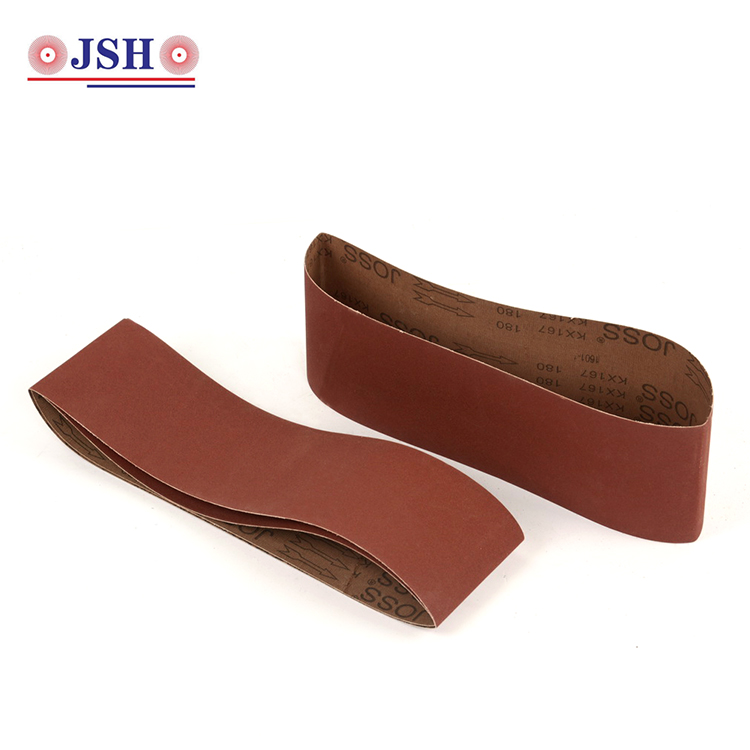
Choosing the right abrasive belt means looking beyond simple product labels and matching the belt to the real application. Silicon carbide, zirconia, ceramic, and aluminum oxide belts all have important roles in industrial sanding and grinding, but none of them is automatically the best choice in every situation.
In general, zirconia and ceramic belts are commonly used in demanding metalworking operations where durability and stock removal matter. Silicon carbide is widely used for glass, stone, ceramics, and certain finishing applications that require a sharp cut on hard or brittle materials. Aluminum oxide remains a versatile and widely used option in woodworking and general sanding. For non-ferrous metals such as aluminum, loading resistance and belt construction are often as important as abrasive grain type.
The most reliable abrasive belt selection comes from combining application knowledge, grit progression, machine conditions, and supplier quality. When possible, real production testing is still the best way to confirm which belt delivers the right balance of cut rate, finish quality, and cost efficiency.