Choosing the right abrasive belt is essential for achieving efficient grinding performance, consistent surface quality, and lower production costs. However, many manufacturers struggle to select the correct abrasive belt because different metals require different abrasive materials, grit sizes, and belt structures.
Using an unsuitable abrasive belt can lead to problems such as excessive heat, poor cutting performance, frequent replacement, and inconsistent finishing results.
Whether you are processing stainless steel, aluminum, carbon steel, or other metals, understanding how abrasive belts work and how to match them with different applications can help improve productivity and reduce abrasive consumption.
This guide explains the key factors to consider when selecting abrasive belts for different metal applications.
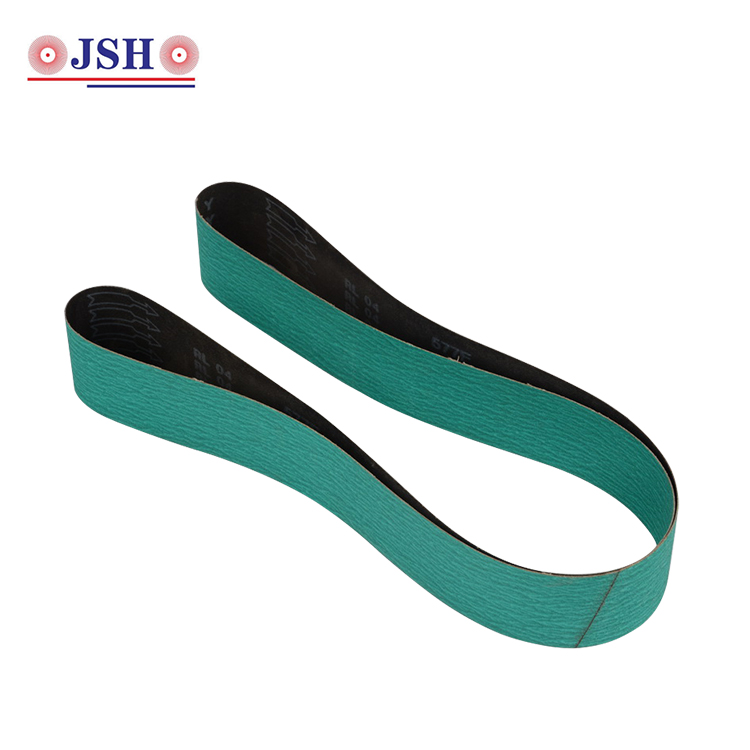
Abrasive belts are not one-size-fits-all products. Their performance depends on several factors:
The correct abrasive selection can provide:
High-quality abrasive belts are designed with different abrasive grains and backing materials to meet various industrial grinding requirements.
The abrasive grain is one of the most important factors affecting cutting performance.
Different grains have different characteristics.
Aluminum oxide is one of the most widely used abrasive materials.
Advantages:
Common applications:
For standard grinding applications where extreme cutting performance is not required, aluminum oxide belts provide a reliable solution.
Zirconia abrasives are commonly used for heavy-duty metal grinding.
Advantages:
Applications include:
For demanding industrial applications, zirconia abrasive belts provide longer working life and stable cutting performance.
Ceramic abrasives are designed for high-performance grinding applications.
Advantages:
Common applications:
Ceramic abrasive belts are often selected when productivity and efficiency are the highest priorities.
Stainless steel is widely used in industrial equipment, kitchen products, construction, and precision manufacturing.
However, it is also challenging to grind because it generates significant heat.
Recommended abrasives:
Key considerations:
Using suitable sanding belts for stainless steel helps reduce overheating problems and achieve smoother finishing results.
Aluminum is softer than steel but creates unique grinding challenges.
Common problems include:
Recommended solutions:
Choosing the correct abrasive prevents clogging and improves belt performance.
Carbon steel is commonly processed in manufacturing, construction, and metal fabrication.
Recommended abrasive types:
Applications include:
The choice depends on whether the priority is heavy material removal or final surface quality.
Titanium and high-strength alloys require abrasives with excellent heat resistance.
Challenges include:
Ceramic abrasive belts are often preferred because they maintain sharp cutting performance under demanding conditions.
Besides abrasive grain type, grit size also affects performance.
Typical range:
Best for:
Typical range:
Best for:
Typical range:
Best for:
Selecting the correct grit helps balance productivity and surface quality.
For removing large amounts of material, choose:
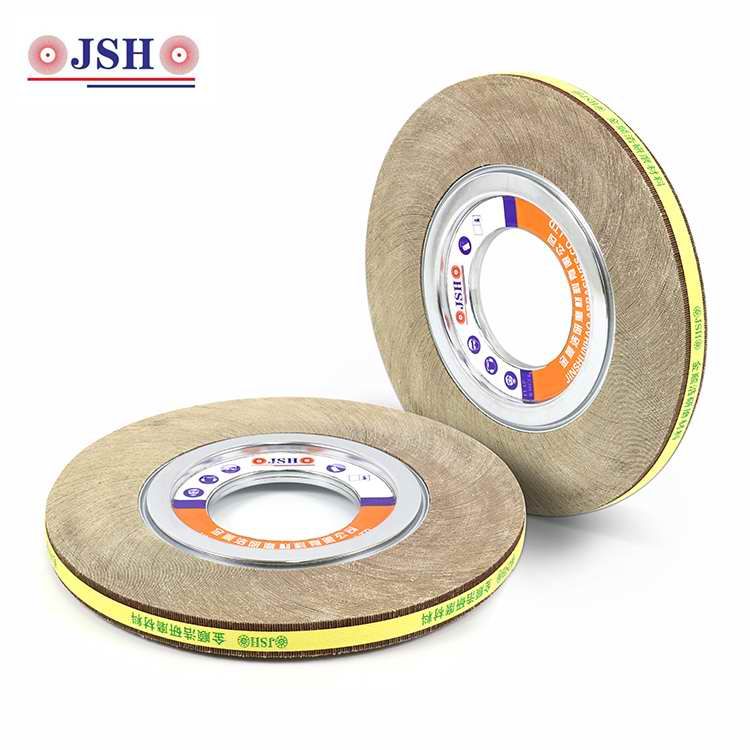
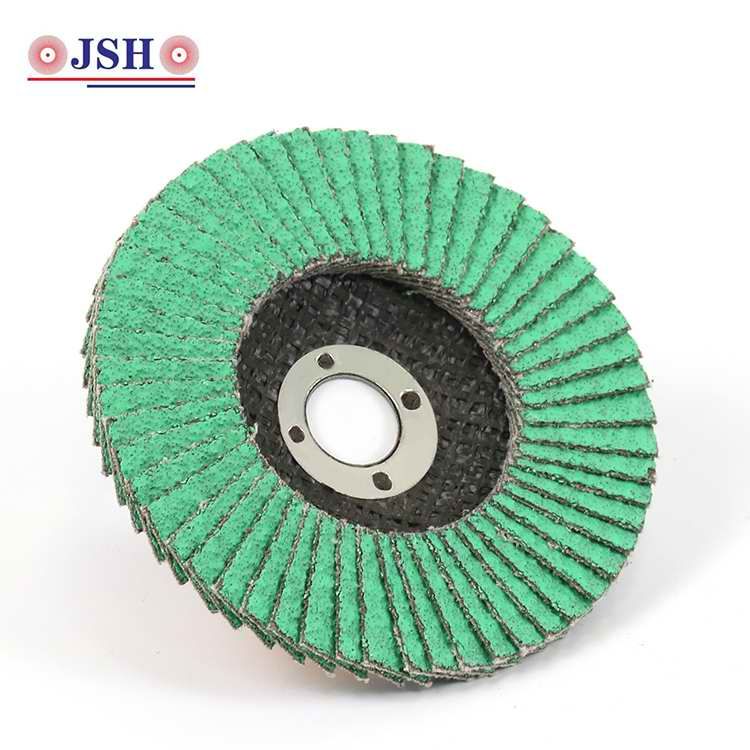
In some cases, using flap discs before abrasive belt finishing can improve efficiency by handling aggressive grinding tasks faster.
For finishing applications, choose:
The goal is to achieve a smooth surface without creating additional defects.
Curved surfaces require abrasives that can adapt to different shapes.
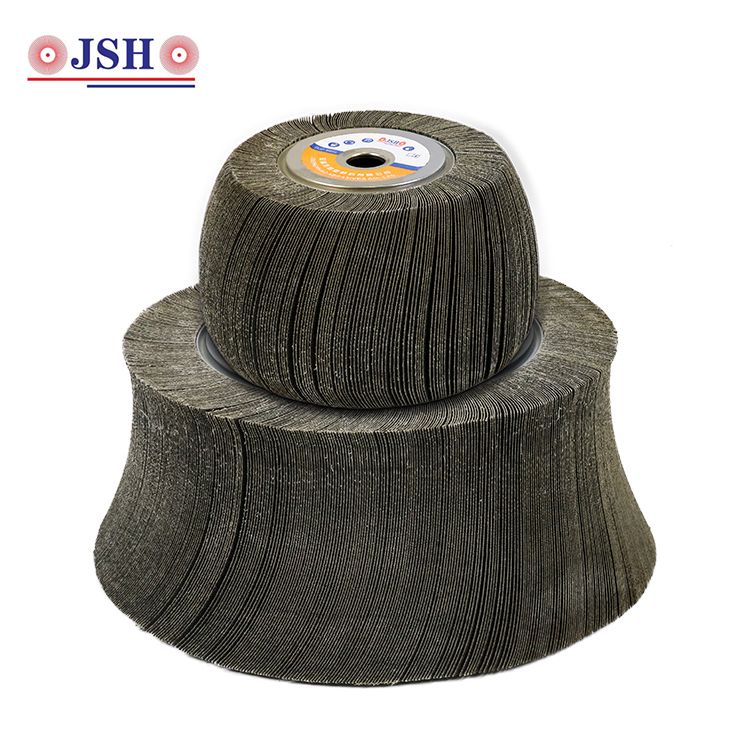
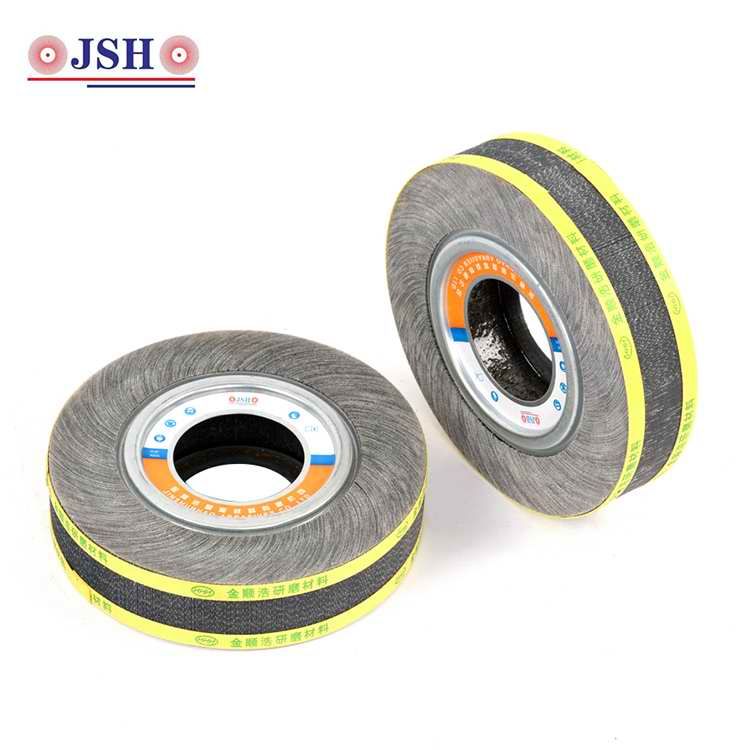
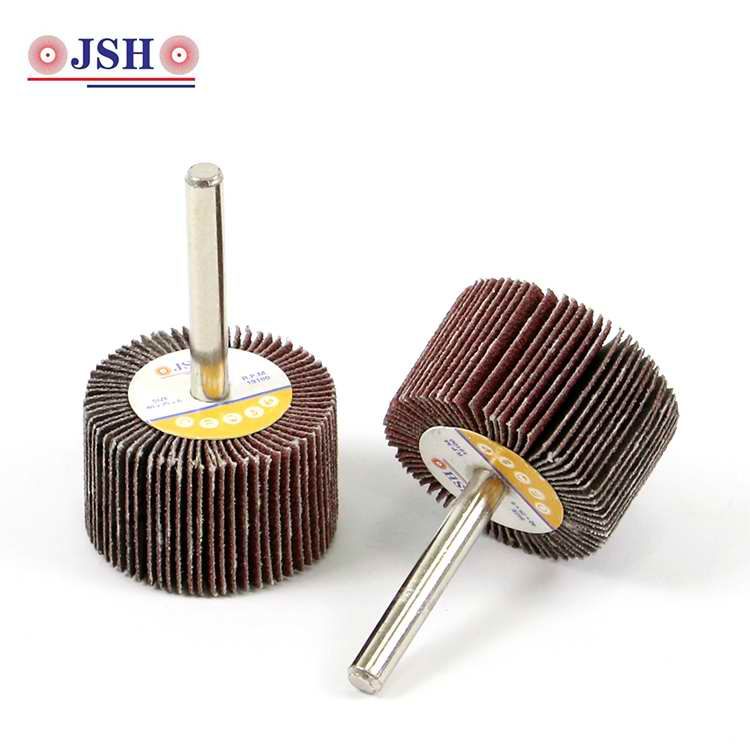
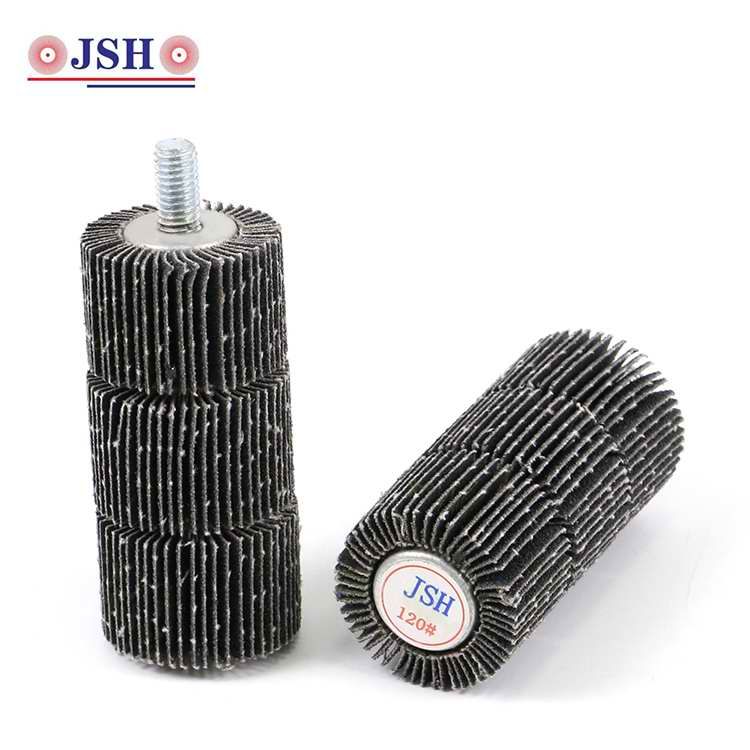
For stainless steel tubes, handrails, and irregular surfaces, flap wheels provide flexible contact and consistent finishing.
For internal tube polishing and narrow areas, flap wheel with shank provides better accessibility.
Low-cost belts may appear economical but often result in:
The total cost should include productivity and consumption, not only purchase price.
Different machines require different belt specifications.
Before purchasing, consider:
Different materials and processes require different abrasive solutions.
Using the same belt for stainless steel, aluminum, and carbon steel can reduce performance and increase costs.
Choosing the right abrasive belt is essential for improving grinding efficiency, maintaining surface quality, and reducing operating costs.
The best choice depends on several factors, including material type, abrasive grain, grit size, and application requirements.
By selecting the appropriate abrasive belts and combining them with suitable products such as flap discs and flap wheels, manufacturers can achieve better performance, longer tool life, and more consistent finishing results.