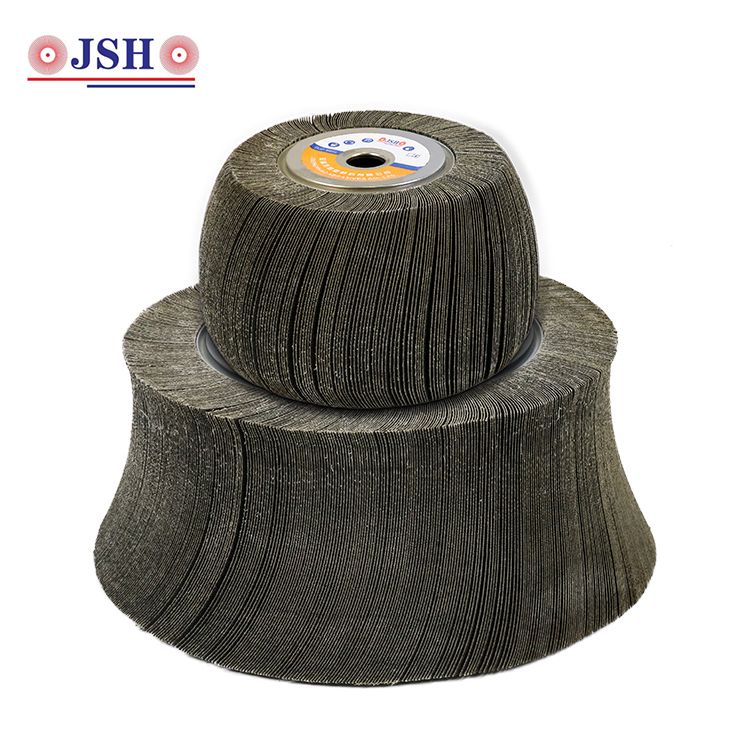
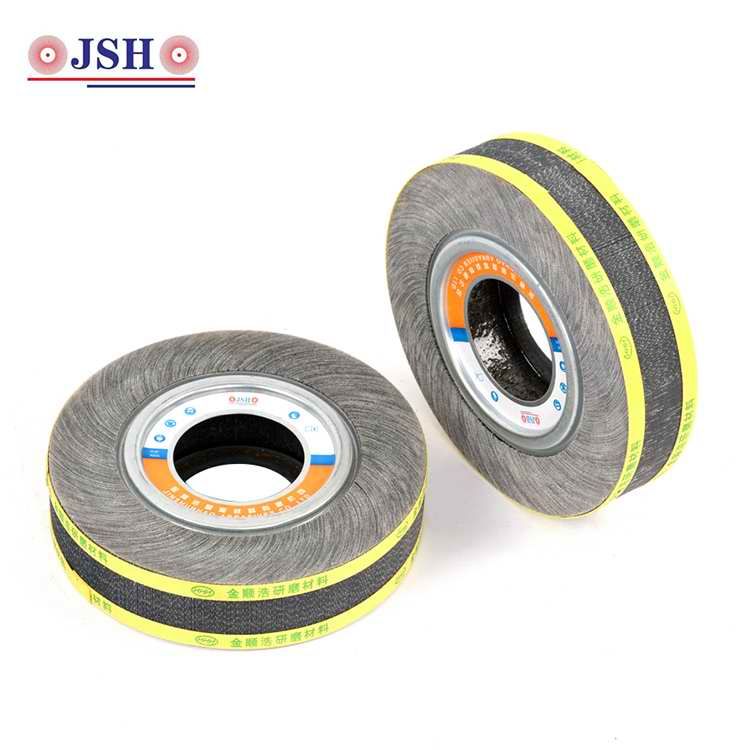
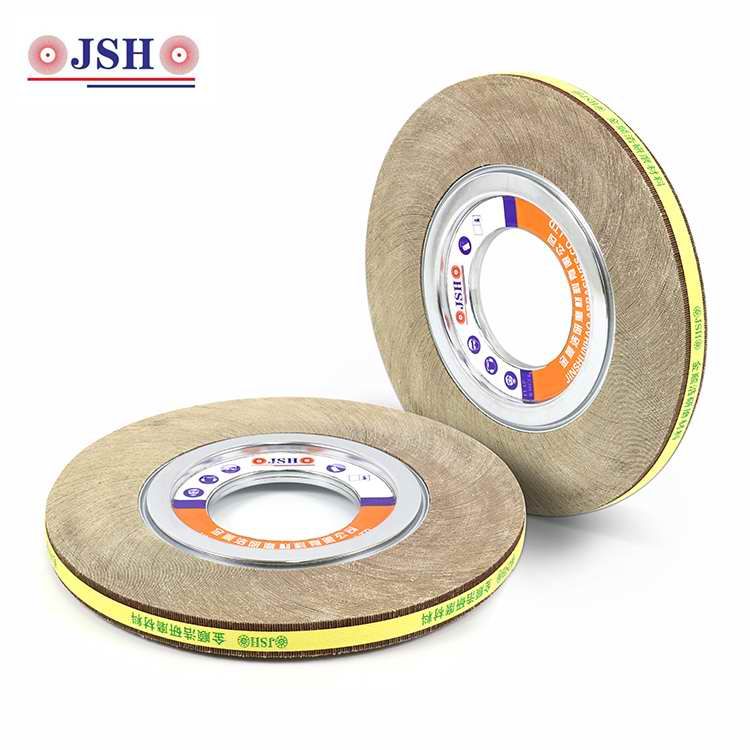
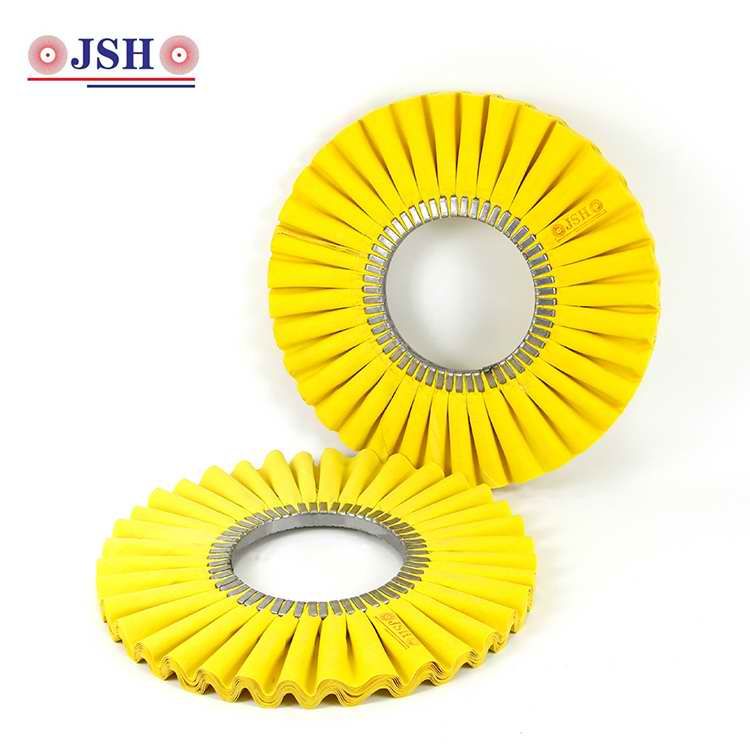
Choosing the right flap wheel for stainless steel part grinding is not simply a matter of selecting the most aggressive abrasive. In actual manufacturing environments, flap wheel performance depends on a combination of factors, including the grinding task, required surface finish, part geometry, machine setup, operating pressure, heat generation, and wheel construction. A flap wheel that performs well for rapid weld removal may not be the best choice for fine edge blending, while a wheel that produces a more controlled finish may not provide enough stock removal for higher-productivity grinding.
For this reason, stainless steel grinding is usually more effective when flap wheel selection is matched to the real process rather than based only on habit, price, or general product labels. In many cases, the best results come from choosing the right abrasive type, grit size, wheel shape, and wheel density for each grinding stage. This approach can help improve efficiency, support more consistent surface quality, reduce unnecessary heat buildup, and lower the risk of rework.
Stainless steel is widely used in fabrication, hardware, kitchen equipment, medical components, architectural fittings, and industrial assemblies. Although it offers strength, corrosion resistance, and a clean appearance, it can also be more demanding to grind than many common metals.
The challenge is not only material strength. In practical grinding operations, stainless steel may:
Because of this, using an unsuitable flap wheel may result in:
In many stainless steel operations, the grinding goal is not limited to simple material removal. It may also involve:
Since these tasks differ significantly, flap wheel selection should be based on the specific application whenever possible.
Before selecting a flap wheel, it is important to define the application clearly. In stainless steel part grinding, abrasive type is only one part of the decision.
Different grinding tasks require different cutting behavior.
Common examples include:
A flap wheel that works well in one of these tasks may not be the best choice for another.
Some stainless steel parts only need rough edge cleanup, while others require a more refined and consistent finish.
For example:
This means the desired finish should influence both abrasive type and grit choice.
Grinding performance depends heavily on how the wheel is used.
Important variables include:
In many cases, excessive pressure does not improve results. Instead, it may increase heat buildup, reduce wheel life, and make finish control more difficult.
Part geometry affects the contact area and the type of wheel that can be used effectively.
Common stainless steel part features include:
A wheel that performs well on broad surfaces may not work efficiently in confined or shaped areas.
A lower unit price does not always mean lower grinding cost.
In production environments, total process value may depend on:
For many users, the most economical flap wheel is the one that performs reliably in the actual application.
The abrasive grain has a major effect on grinding behavior. For stainless steel applications, zirconia, ceramic, and aluminum oxide are all used, but their suitability depends on task intensity, finish target, and operating conditions.
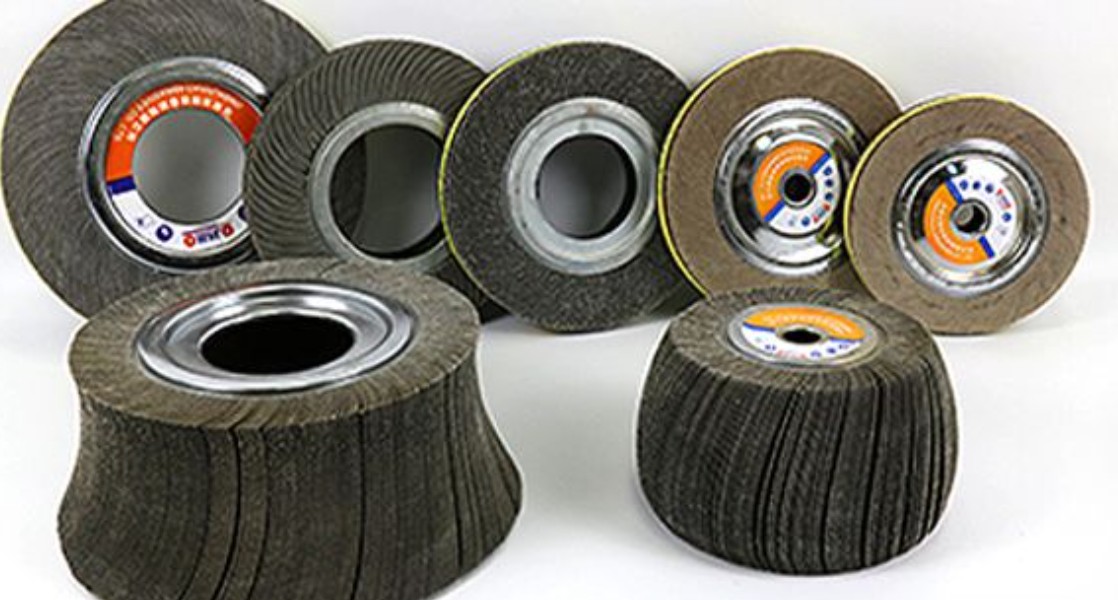
Zirconia flap wheels are widely used in stainless steel grinding because they often provide a practical balance of cutting ability, durability, and cost.
They are commonly used for:
In many shop-floor applications, zirconia is preferred because it performs well across a broad range of everyday tasks. However, actual performance still depends on wheel quality, operating pressure, and grinding conditions.
Ceramic flap wheels are often used in more demanding stainless steel grinding operations, especially where higher pressure, higher throughput, or more aggressive removal is required.
They are commonly used for:
In suitable grinding conditions, ceramic flap wheels often provide faster cutting and longer usable life than standard alternatives. However, this advantage is usually more noticeable when machine power, pressure, and application conditions allow the ceramic grain to work effectively.
Aluminum oxide flap wheels are also used in metalworking, but in stainless steel applications they are generally more common in lighter-duty or less demanding grinding work.
They may be used for:
For heavier stainless steel grinding, zirconia or ceramic flap wheels are more commonly preferred. However, aluminum oxide may still be acceptable in certain lighter applications depending on the process and finish requirements.
In many industrial stainless steel grinding operations:
There is no single abrasive type that is best for every stainless steel process, and final choice should be matched to the actual grinding conditions.
Grit size affects stock removal, surface finish, and process control. A flap wheel that is too coarse may leave unnecessary scratch depth, while one that is too fine may slow the process and increase labor time.
Coarse grit flap wheels are commonly used in the first stage of grinding when faster material removal is needed.
Typical grit sizes include:
They are often used for:
These grits can improve removal speed, but they also leave a rougher scratch pattern and are usually followed by additional grinding stages when finish quality matters.
Medium grit flap wheels are widely used in general stainless steel part grinding because they often balance cut rate and surface control.
Typical grit sizes include:
They are commonly used for:
In many cases, this range is suitable for routine stainless steel applications, although the final choice still depends on part requirements and downstream finishing needs.
Fine grit flap wheels are more often used in later grinding stages where appearance, consistency, or surface preparation becomes more important.
Typical grit sizes include:
They are used for:
These grits are usually more effective after heavier grinding steps have already removed burrs, welds, or major irregularities.
In many production environments, using a single grit for the entire process is less efficient than using a staged approach.
A typical sequence may include:
Actual grit progression should still be based on removal needs, finish target, and production efficiency.
Wheel shape affects grinding angle, contact area, and how aggressively the abrasive engages the surface. This can make a significant difference in both removal behavior and finish control.
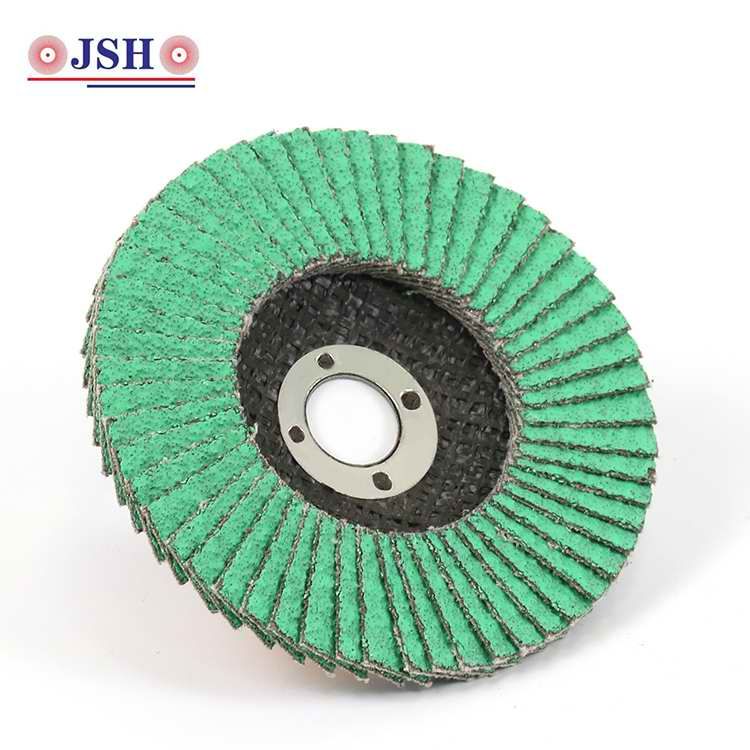
Type 27 flap wheels or flap discs have a flatter profile and are often preferred for:
They are commonly selected when surface consistency and control are especially important.
Type 29 flap wheels or flap discs are designed for more angled contact and are often used for:
In many cases, Type 29 is preferred for heavier removal work, especially on edges or welds. However, for flatter surfaces or more controlled blending, Type 27 may still be the better option.
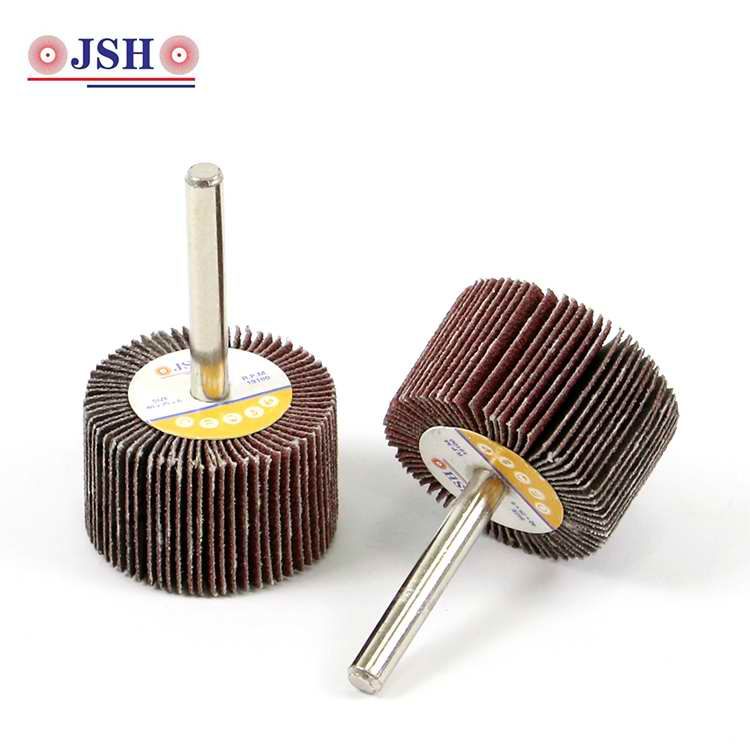
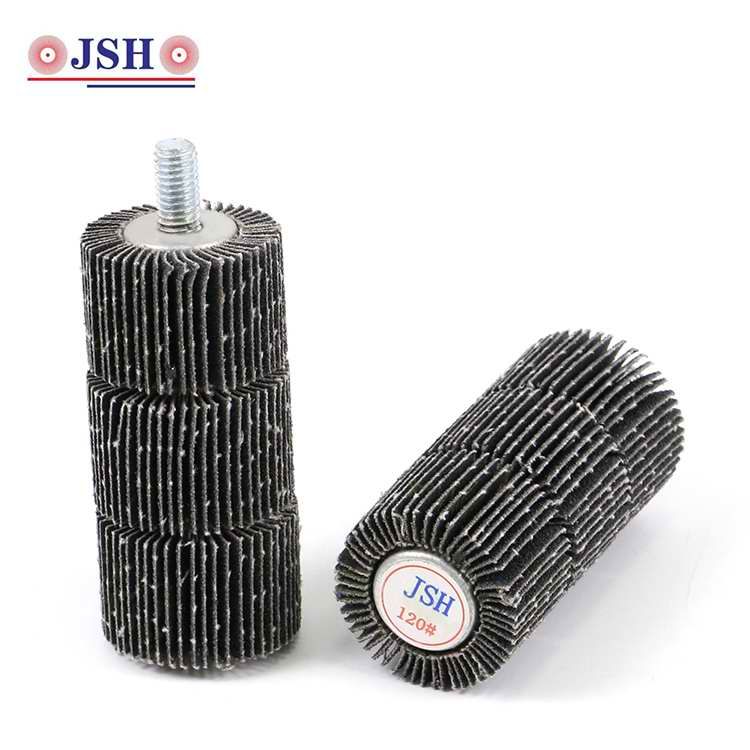
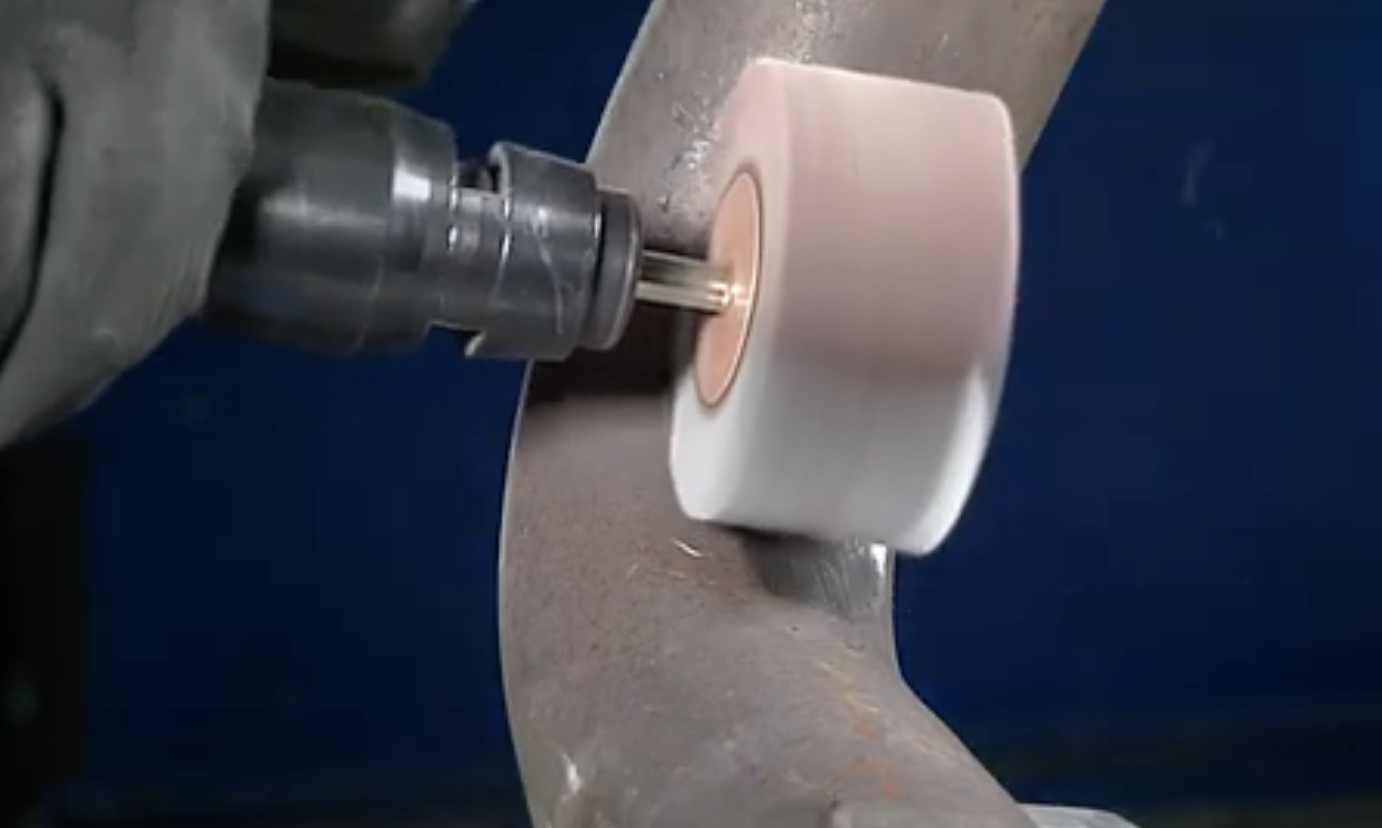
Mounted flap wheels are often chosen for stainless steel parts with limited access or detailed geometry.
They are commonly used for:
When larger flap discs cannot contact the workpiece effectively, mounted flap wheels may offer better access and control.
Even if the abrasive type and grit are appropriate, wheel construction still plays an important role in actual grinding results.
Flap density influences wheel feel, stability, and usable life.
In many applications:
However, actual performance also depends on abrasive quality, pressure, machine conditions, and part material.
The wheel backing and bonding system affect:
A wheel with weak backing or inconsistent bonding may lose performance earlier, even if the abrasive grain itself is appropriate.
Two flap wheels labeled with the same abrasive type may not perform equally in practice.
Actual differences may come from:
For stainless steel grinding, these details can influence cut rate, finish quality, wheel life, and heat control.
Different grinding tasks usually require different combinations of abrasive type, grit range, and wheel shape. The following examples are general application references rather than fixed rules.
For stainless steel parts with burrs from cutting or stamping, common choices may include:
Final choice depends on burr size, part shape, edge quality requirements, and production volume.
For weld blending, users often need both removal efficiency and acceptable surface transition.
Common options may include:
The right combination depends on weld size, finish expectations, and the amount of blending required after removal.
For edge work, control and repeatability are important.
Common options may include:
The most suitable choice depends on how much edge reduction is needed and how sensitive the final appearance is.
If the part will be polished, brushed, coated, or visually inspected, surface quality becomes more important than pure removal speed.
In these applications, users often select:
For smaller parts, access and precision are often more important than aggressive cutting.
Mounted flap wheels are commonly used for:
In these cases, tool geometry may be as important as abrasive selection.
Improving grinding speed is only beneficial if the process still maintains acceptable surface quality. In stainless steel grinding, overheating can lead to discoloration, finish inconsistency, and additional rework.
For more demanding grinding work:
The abrasive should be matched to the work intensity rather than selected only by cost.
Starting with a grit that is too fine may reduce removal efficiency. In many cases:
Matching grit to the actual grinding stage often improves both speed and consistency.
Too much pressure does not always improve cutting. As pressure increases excessively, it may:
Stable pressure and suitable grinder speed are usually more effective than excessive force.
As a flap wheel wears and cutting performance declines, the operator may need more time or pressure to achieve the same result. This can increase heat buildup and reduce process efficiency.
Replacing the wheel at the right stage helps maintain:
To reduce overheating on stainless steel parts, it is often helpful to:
In practice, heat control depends on the full grinding process, not just on abrasive type alone.
Many grinding problems come from oversimplified flap wheel selection. The following mistakes are common in stainless steel applications.
A lower-cost wheel may appear economical, but if it causes slower cutting, shorter life, or more rework, total grinding cost may rise.
Aluminum oxide may be acceptable for lighter stainless steel tasks, but for heavier grinding, zirconia or ceramic is more commonly preferred.
A grit that is too fine in the first grinding stage may slow removal. A grit that is too coarse in finish-sensitive work may increase scratch depth and rework.
Type 27, Type 29, and mounted flap wheels do not serve the same purpose. Shape should be matched to surface type, access, and removal goal.
Excessive force may increase heat and reduce control rather than improve performance.
In many stainless steel processes, it is more effective to separate removal, blending, and finishing into different steps rather than relying on one wheel for the entire job.
Below is a general starting reference for matching flap wheel type and grit range to common stainless steel grinding tasks. Actual selection should still be verified according to machine power, operator technique, part geometry, and finish requirements.
| Grinding Task | Commonly Used Flap Wheel Type | Typical Grit Range | Main Goal |
|---|---|---|---|
| Heavy weld removal | Ceramic | 36–40 | Faster stock removal |
| General deburring | Zirconia | 60–80 | Balanced speed and cost |
| Edge rounding | Zirconia / Ceramic | 60–120 | Better edge control |
| Surface blending | Fine zirconia or ceramic depending on finish target | 80–120+ | Improved finish consistency |
| Small contours / inner areas | Mounted flap wheel | 60–120 | Better access and precision |
This table is intended as a practical guide, not a fixed specification. Final flap wheel selection is best confirmed through application testing whenever possible.
Selecting a suitable supplier is an important part of achieving stable grinding performance. Two flap wheels using the same abrasive label may still behave differently in production due to differences in quality and construction.
A reliable supplier should be able to offer:
For production users, supplier quality affects not only product availability, but also grinding consistency, finish quality, and long-term process cost.
Choosing the right flap wheel for stainless steel part grinding means matching the wheel to the actual task rather than assuming one product will suit every operation. Abrasive type, grit size, wheel shape, flap density, and manufacturing quality all influence grinding performance.
In many routine stainless steel applications, zirconia flap wheels provide a useful balance of durability, versatility, and cost. In more demanding grinding conditions, ceramic flap wheels often offer higher removal efficiency and longer usable life. Aluminum oxide flap wheels may still be used in lighter-duty or cost-sensitive applications, depending on finish requirements and process demands.
The most reliable approach is to think in stages: remove material efficiently, refine the surface progressively, and manage heat carefully throughout the process. Because performance can vary with machine setup, operator technique, and part geometry, final flap wheel selection is best confirmed through shop-floor testing whenever possible.