Whether you're polishing restaurant-grade stainless tables, finishing TIG-welded handrails, or cleaning up structural welds on machinery—you quickly realize there's no single right abrasive for every job. Stainless steel behaves differently from carbon steel. It work-hardens, it heats up quickly, and it shows every scratch you leave behind. So choosing between a flap disc and a flap wheel isn't just a technical detail; it's what decides whether your weld looks professionally blended or like it was attacked with a lawn mower.
Stainless weld finishing often involves two goals:
1. Removing the weld bead while maintaining the surrounding geometry.
2. Achieving a consistent surface finish that matches the grain or polish of the original sheet or tube.
Because stainless steel is used in food equipment, marine hardware, architectural elements, and pharmaceutical machines, the final look—and cleanliness—matters as much as the weld integrity. That's where knowing your abrasives becomes part of the craft.
If your main task is to knock down material—such as leveling a fillet weld on 304 stainless square tubing—a flap disc is usually the better choice.
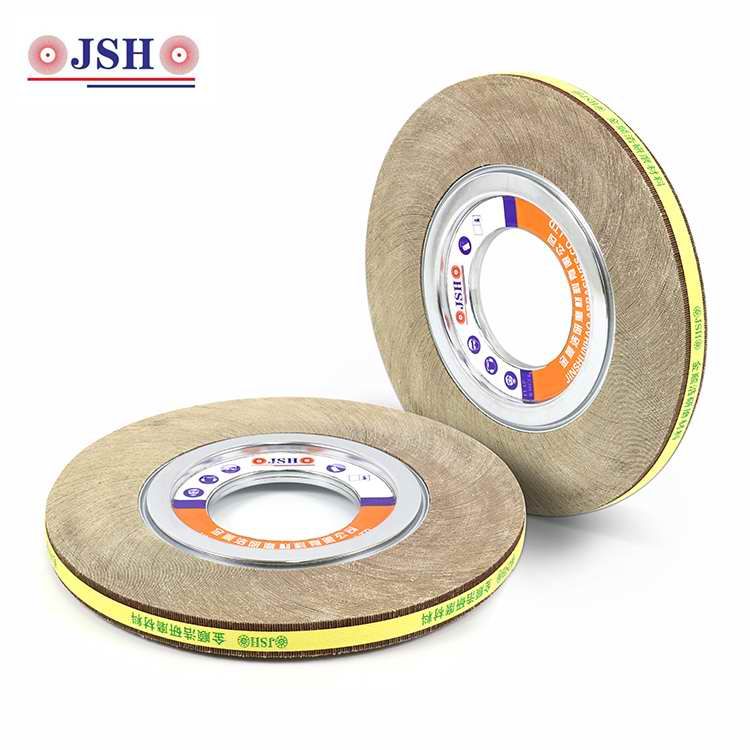
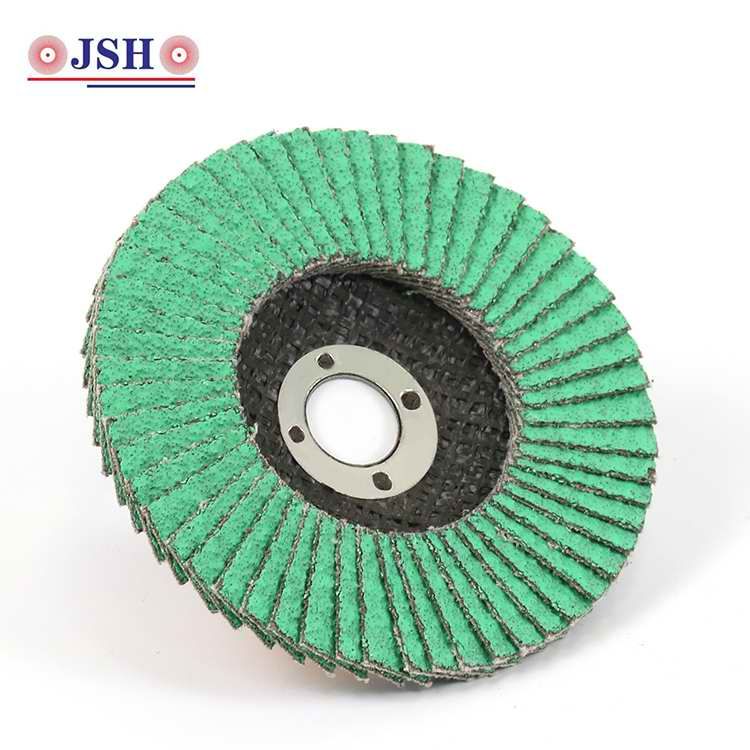
A flap disc behaves more aggressively because the abrasive flaps are mounted on a rigid backing plate. When you push into the weld, it doesn't give, so it cuts faster and stays flat. Fabricators often reach for flap discs in these situations:
1. Heavy Weld Removal: If the MIG or TIG bead is tall, uneven, or needs to be taken nearly flush, a flap disc can do the job without digging unwanted gouges. It allows controlled aggression.
2. Working on Flat Surfaces: Tables, frames, machine guards, control panels—anything flat benefits from the stability of a flap disc. It keeps you from rounding edges unintentionally.
3. Needing Faster Stock Removal: Time is money. When grinding stainless steel brackets or structural welds, the speed advantage is noticeable.
4. Preparing for Further Finishing: A flap disc can bring you to a uniform 80-120 grit surface that you can later refine with non-woven wheels, polishing compounds, or satin finishing belts.
.jpg)
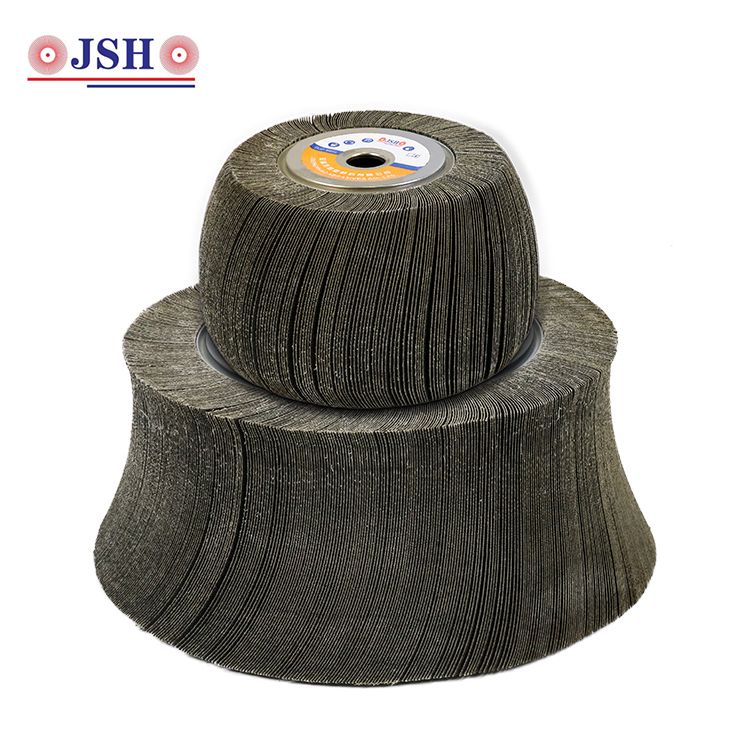
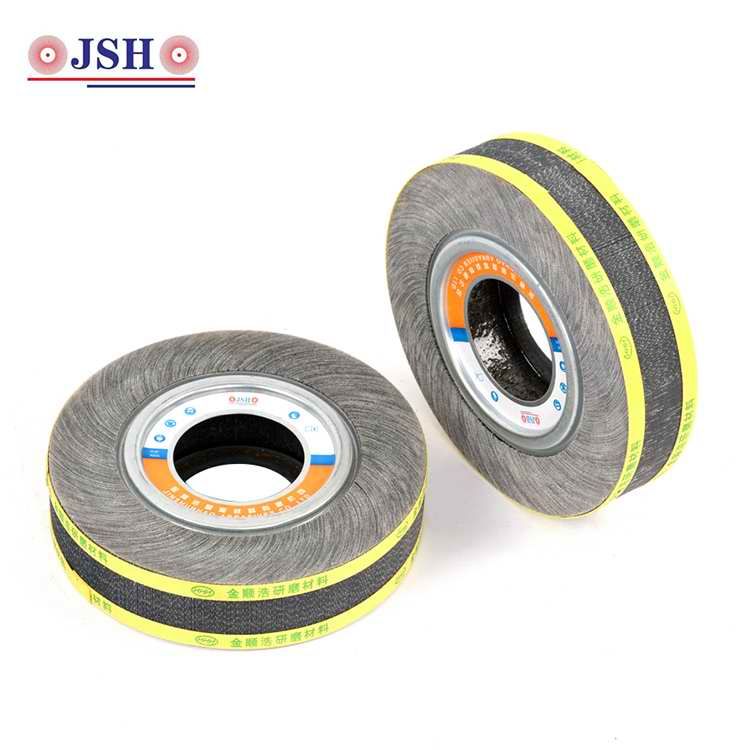
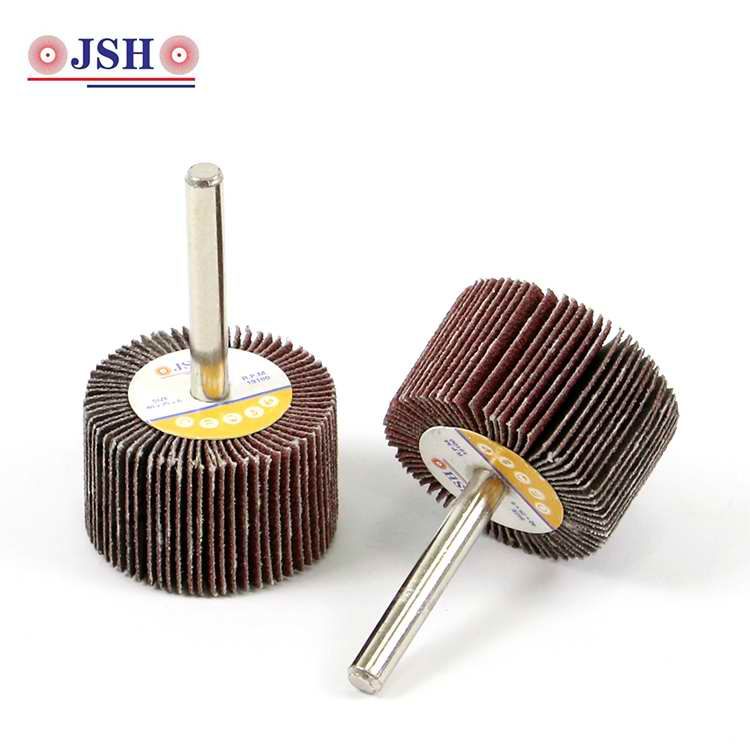
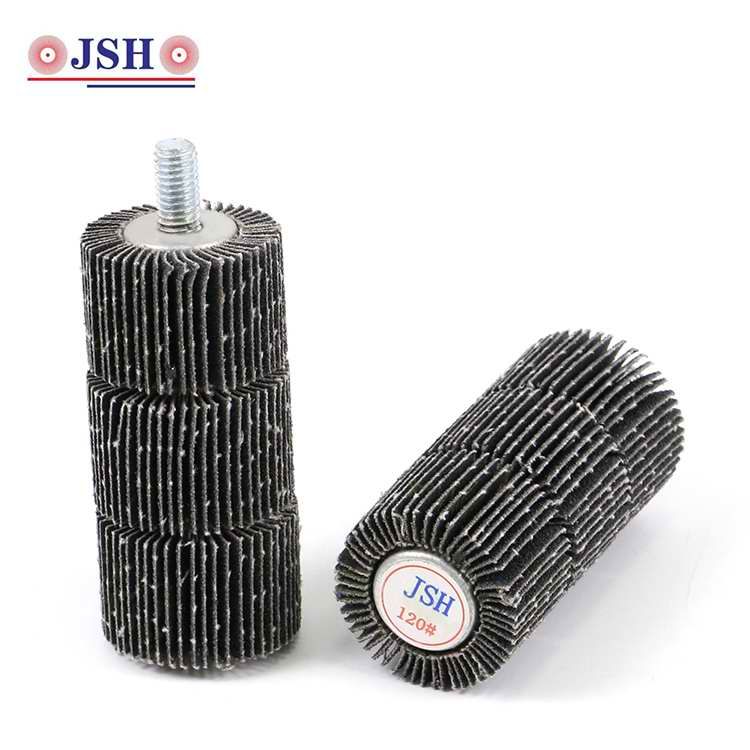
A flap wheel, on the other hand, is softer, more flexible, and far better at following the contours of your part. While a flap disc has a rigid shape, a flap wheel conforms. Think of the jobs where the weld isn't perfectly accessible:
1. Finishing Inside Corners: Stainless fabrication often involves box frames and sheet-metal enclosures where inside corners collect welding residue. A flap wheel can reach where a rigid disc simply can't.
2. Blending TIG Welds on Tubing: Handrails, brewery piping, food-grade tubing—these components require smooth transitions. A flap wheel wraps around the curvature, blending without flattening.
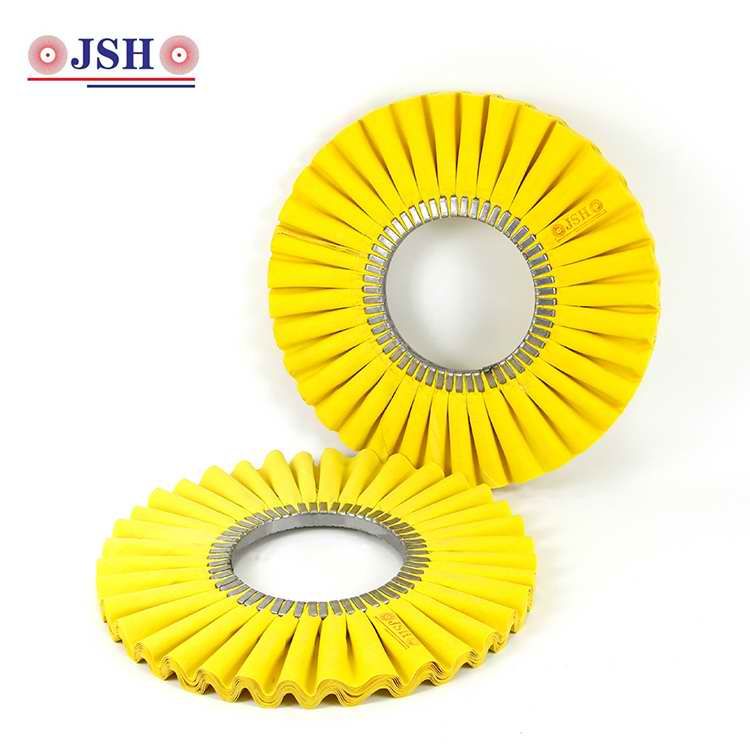
3. Creating a Uniform Grain Pattern: If your customers expect a brushed stainless look, the soft action of a flap wheel helps restore that grain after the weld bead has been knocked down. This is especially important on decorative metalwork.
4. Working With Thin Stainless Steel: Thin sheet metal heats up quickly, and a flap disc may remove too much too fast. A flap wheel gives you precision without warping the surface.
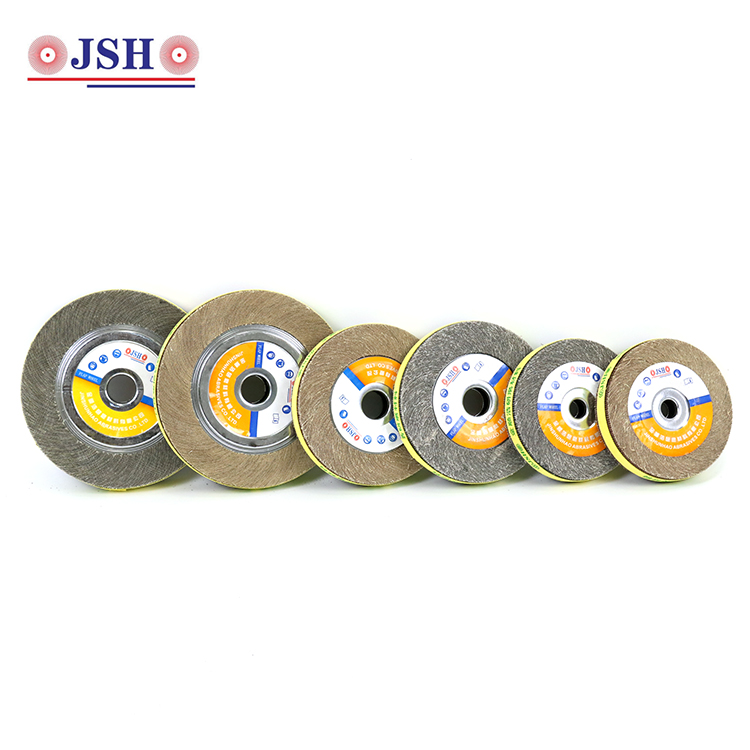
Instead of thinking of flap discs vs. flap wheels as competing tools, think of them as a sequence in your workflow:
● If material must be removed, start with a flap disc.
● If the weld is already close to flush but needs finesse, switch to a flap wheel.
● If the part has curves or contours, reach for the wheel first.
● If you are restoring grain, the wheel is almost always the finishing step.
Most professional stainless fabricators keep multiple grits of both tools on hand, often from the same brand to ensure consistent performance. Shops that use JSH abrasives usually appreciate being able to get custom flap discs and custom flap wheels that match unusual grinders or finishing requirements.
These small habits prevent frustration later:
1. Keep the Work Cool: Stainless steel discoloration is harder to remove once it forms. Use lighter passes, let the surface rest, or switch to a finer wheel sooner.
2. Don't Jump Too Many Grits: If you grind with 60 grit, jumping immediately to 240 will leave scratches. Move gradually.
3. Match the Direction of the Original Grain: Particularly for restaurant equipment and architectural stainless. Even a perfect weld looks wrong if the grain runs inconsistently.
4. Use Quality Abrasives: Cheap flap discs lose grain quickly and generate more heat. A well-made disc from a manufacturer like JSH actually saves money by lasting longer and producing a cleaner finish.
Finishing stainless steel welds is part technique, part touch, and part abrasive choice. A flap disc gives you the power and flatness needed for weld removal; a flap wheel offers the flexibility and refinement needed for blending and grain matching. Knowing when to switch between them is what separates rushed work from professional craftsmanship.
If your shop needs reliable, durable, or even custom flap discs and flap wheels, JSH manufactures both and supports custom sizing for specialized applications. Choosing the right abrasive—and the right supplier—will show in every weld you finish.