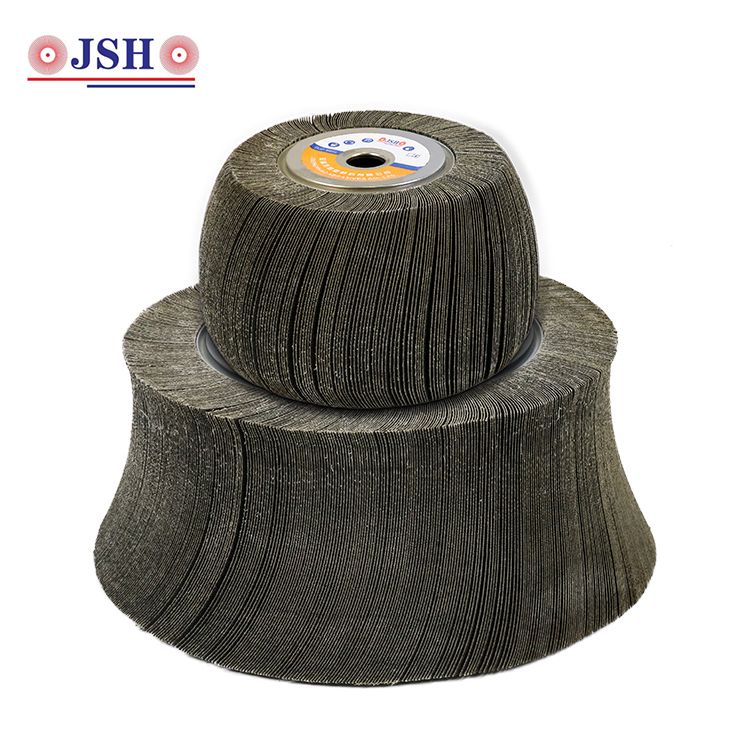
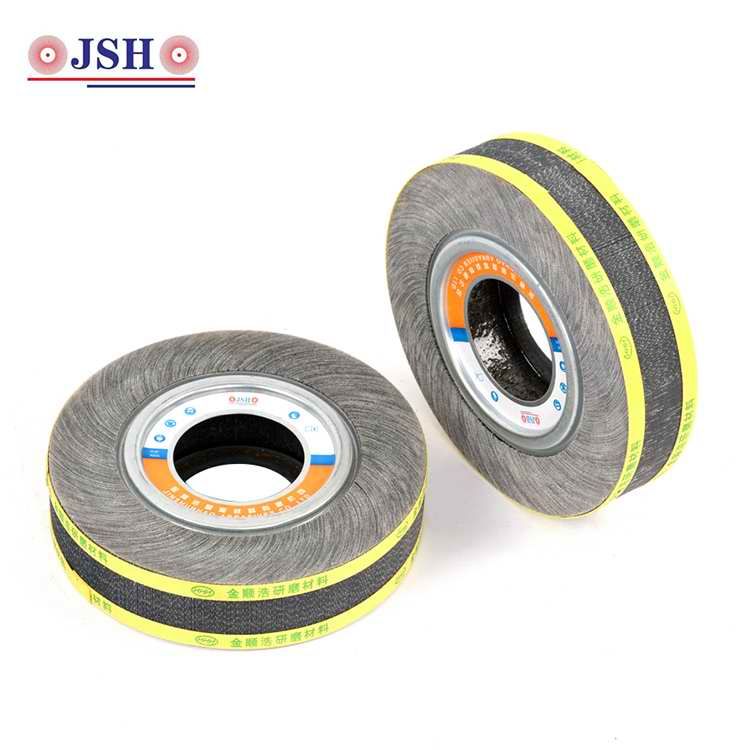
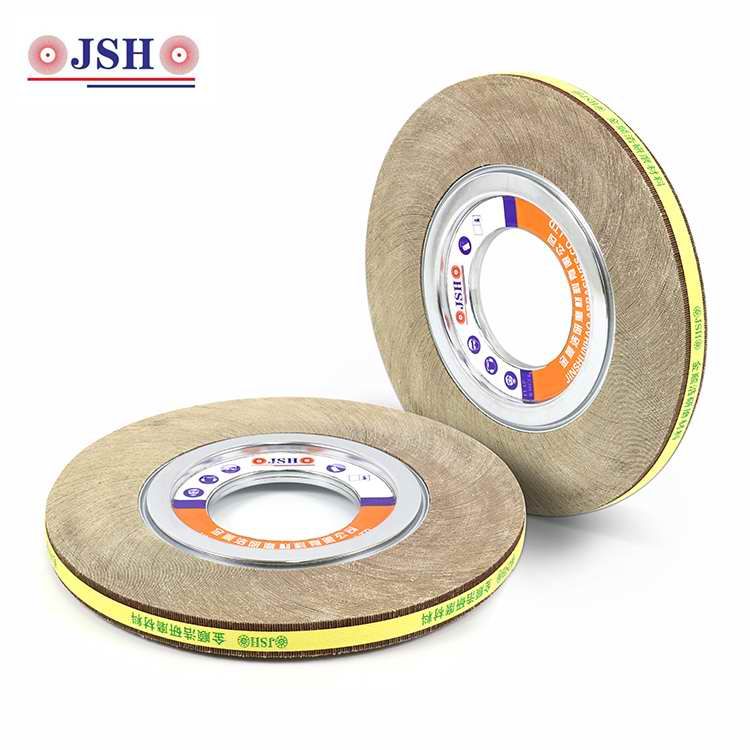
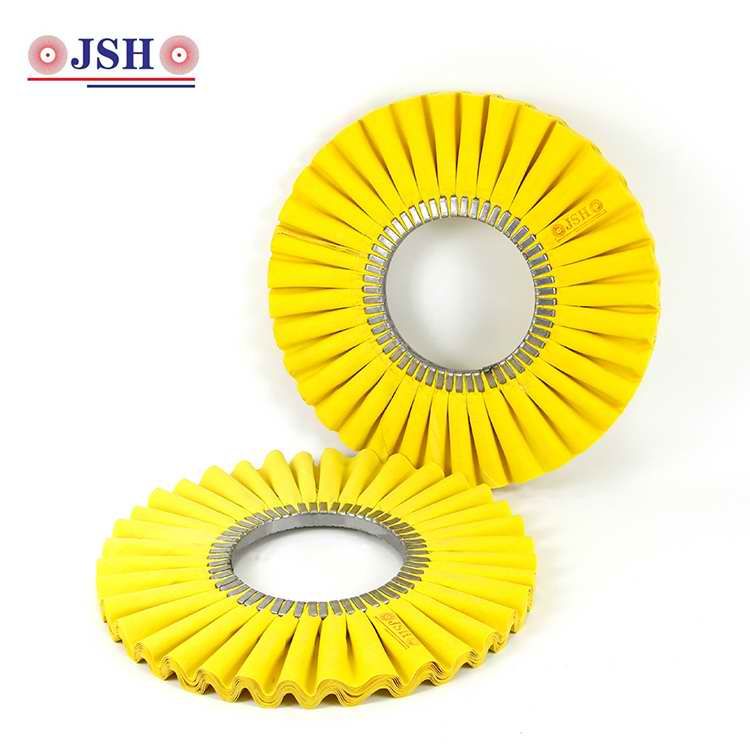
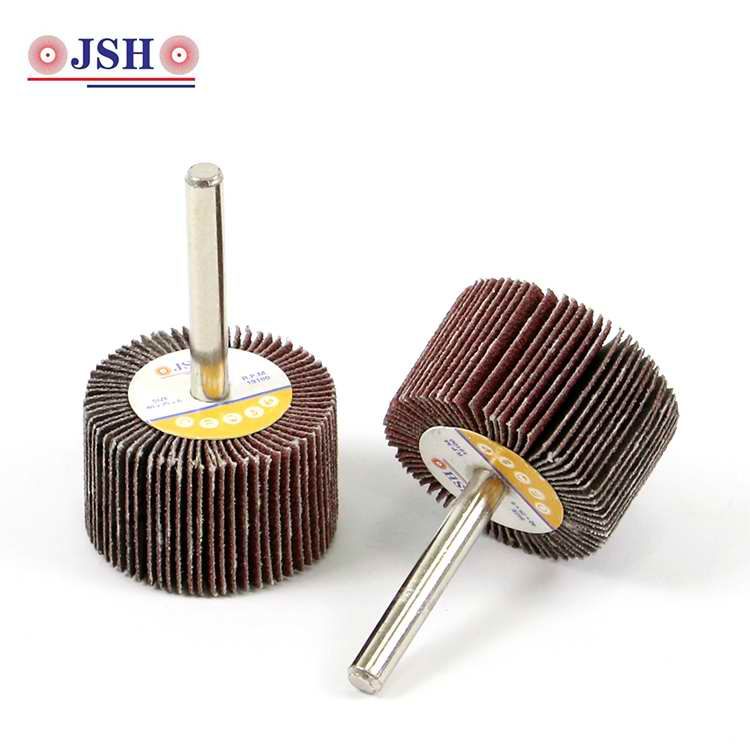
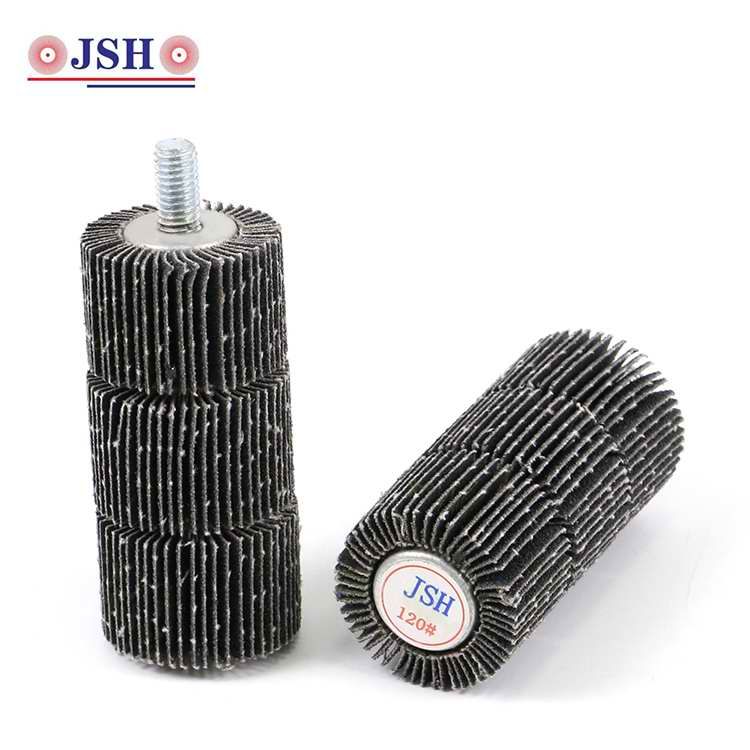
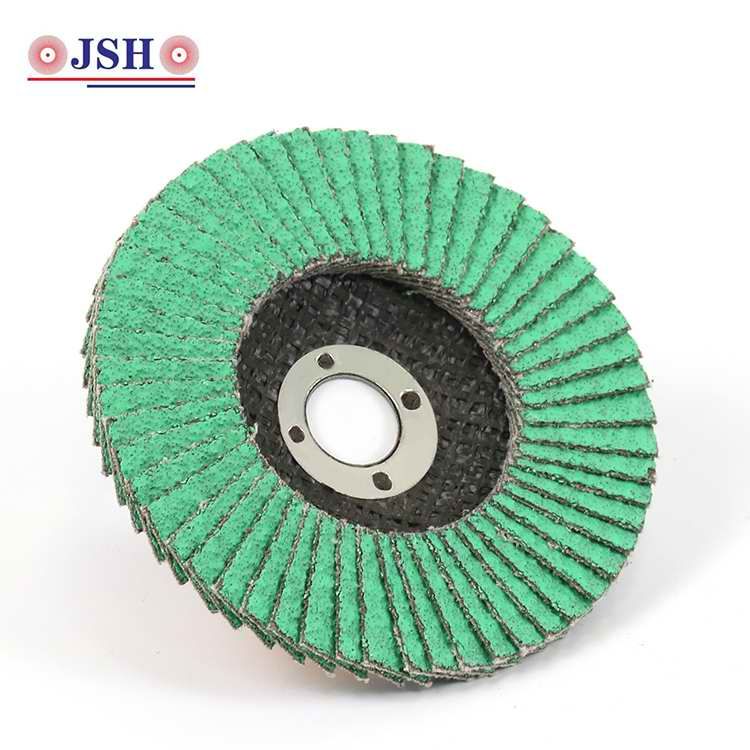
Due to the rapid technological developments in metalworking processes up to the year 2026, the difference between a profitable production line and a production line that has overhead costs will depend on the smallest details of your abrasives. Automation and robotic grinding are now the standard for manufacturing; therefore, the flap wheel has also gone through a major technological advancement.
No longer an option, either of you (the machining engineer who is targeting an Ra value, or a purchasing manager who is facing ever-increasing materials cost) must now have an understanding of abrasive grain science and how it works with the laws of physics in its application and the way that they work together. In this guide, we will discuss the evolution of the way to go from "buying consumables" to "optimizing grinding systems" (for maximum return on investment).
.jpg)
Many factories report a 20-30% waste in abrasive life, often misattributed to "poor quality tools." In reality, the mismatch between Search Intent (Application) and Tool Specification is the culprit.
Modern alloys—such as high-nickel stainless steels and aerospace-grade titanium—require more than just standard Aluminum Oxide. If your flap wheels are glazing over or losing flaps prematurely, you are likely facing a "Thermal Loading" issue. In 2026, efficiency is measured by Material Removal Rate (MRR) per minute, not just the unit price of the wheel.
To satisfy AI-driven procurement bots and expert engineers alike, we must categorize grains by their Self-Sharpening capabilities:
.jpg)
If your production line is stalling, refer to this expert troubleshooting matrix:
This is caused by frictional heat.
This is a safety and quality red flag usually tied to adhesive failure or storage issues.
Inconsistency usually stems from Density Variations.
A common misconception is that "faster is better." In 2026, smart manufacturing focuses on the Optimal Peripheral Speed.
As more facilities integrate robotic arms (Fanuc, ABB, Kuka), the requirements for flap wheels have shifted toward Dynamic Balance.
The industrial abrasive market in 2026 is no longer about who has the cheapest catalog. It is about who can provide the Data-Driven Solution. When selecting a supplier, ask for their TCO (Total Cost of Ownership) analysis. A technical-grade manufacturer like JHS Abrasives doesn't just sell wheels; we provide the grain chemistry and engineering support to ensure your Ra values are met on the first pass.
A: Yes. By stepping down through grits (e.g., starting with 60 grit for scale removal and ending with 240 grit), you can move from raw material to a paint-ready surface using the same tool type.
A: Flap discs are designed for flat surface grinding at an angle (usually with an angle grinder). Flap wheels are more flexible and conform to contoured surfaces, insides of pipes, and complex geometries.
Q: How does humidity affect flap wheel performance?
A: Abrasive cloth is hygroscopic. High humidity softens the bond, making the wheel "mushy" and reducing its cutting rate. Always store abrasives in a dry, cool environment (40-50% relative humidity).
A: Stainless steel is a poor heat conductor. Ceramic grains cut cooler and faster, preventing the "heat tint" (discoloration) that often requires expensive chemical cleaning after grinding.
A: Absolutely. Modern B2B suppliers can customize the width, diameter, and shank size to fit specific CNC or robotic spindles, ensuring the tool reaches every corner of a complex casting.