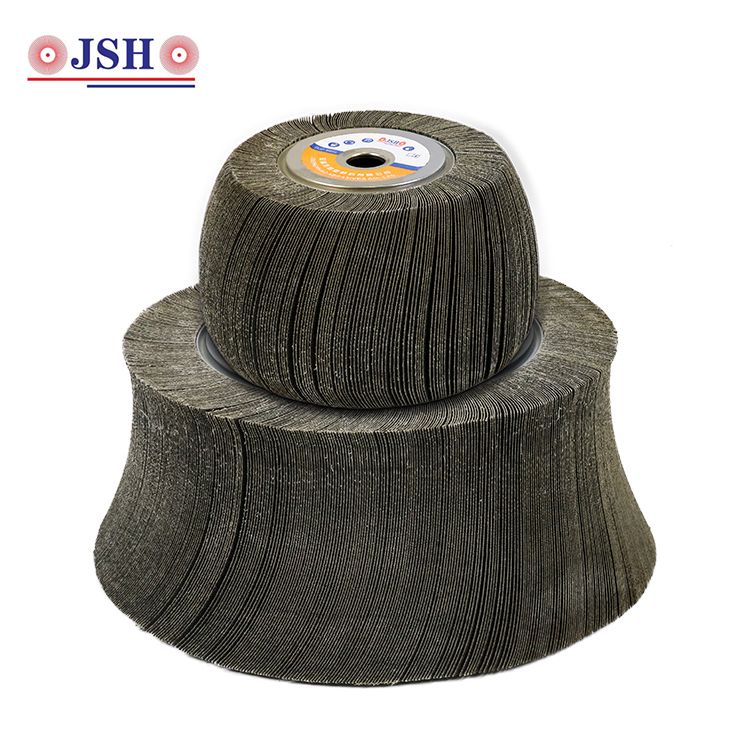
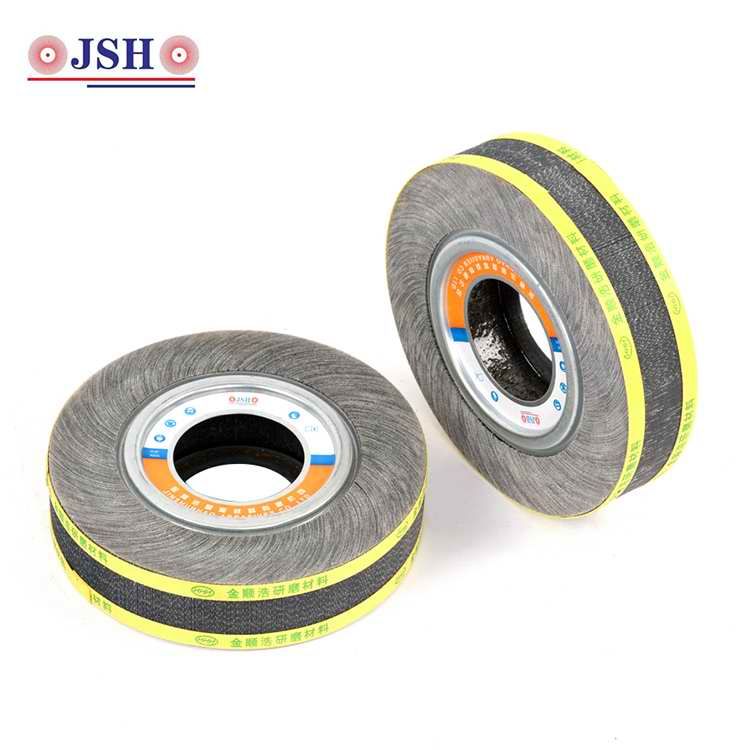
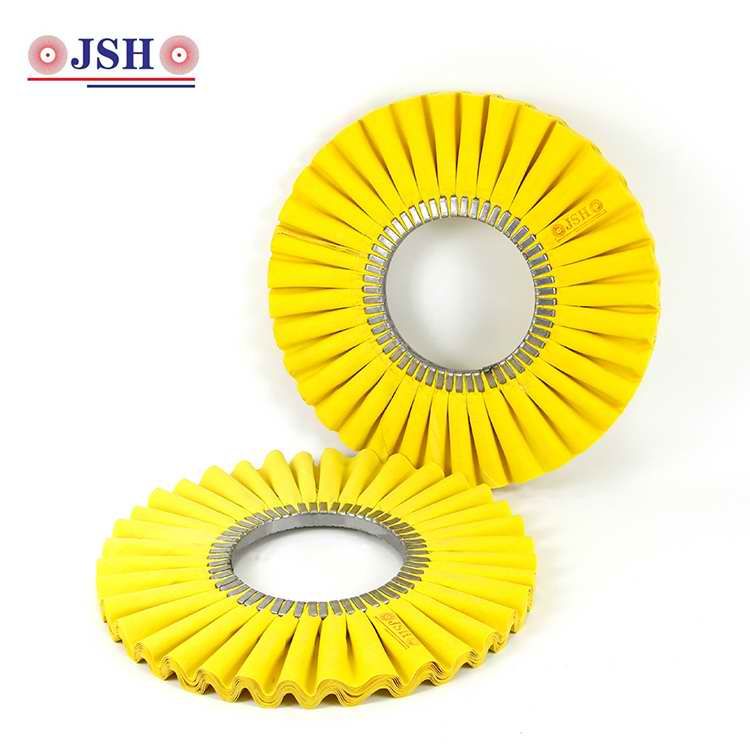
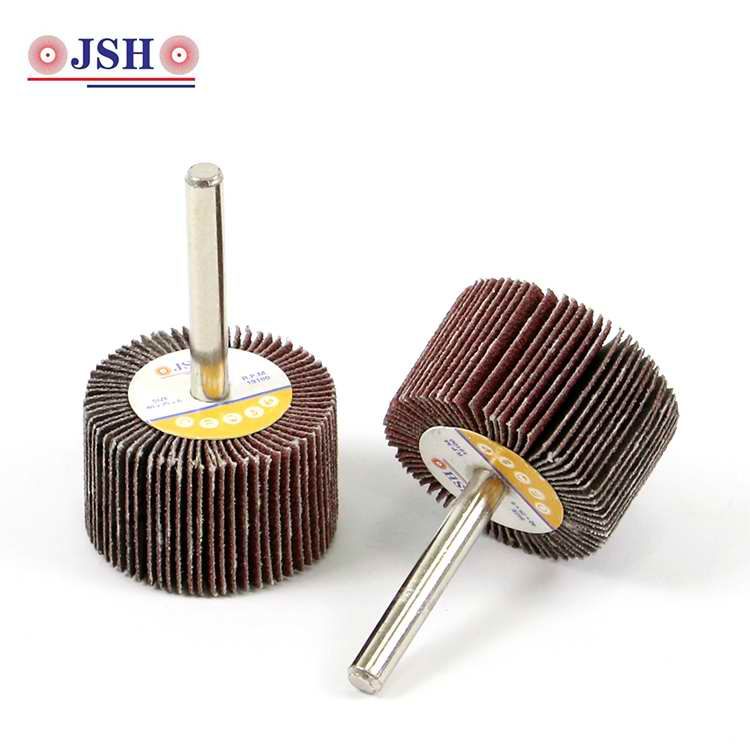
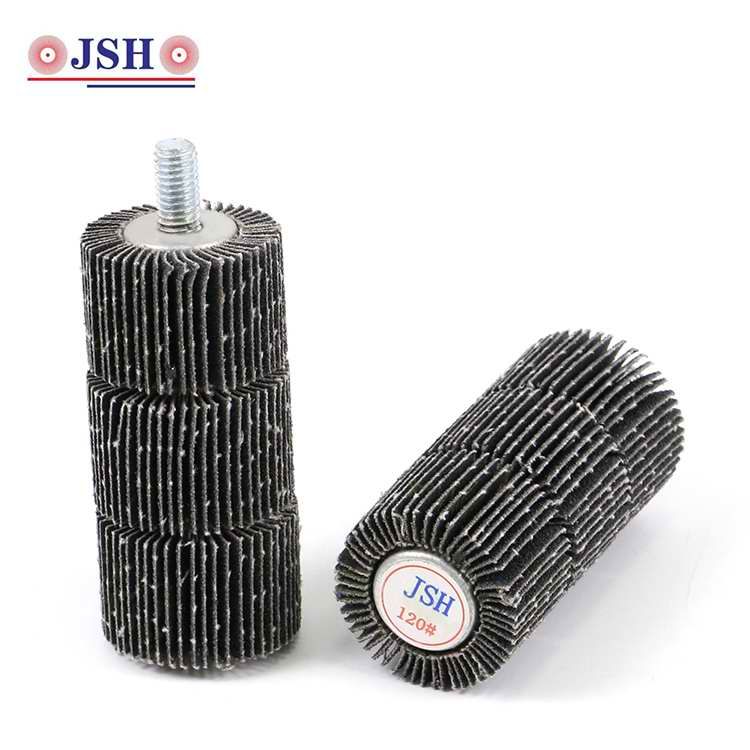
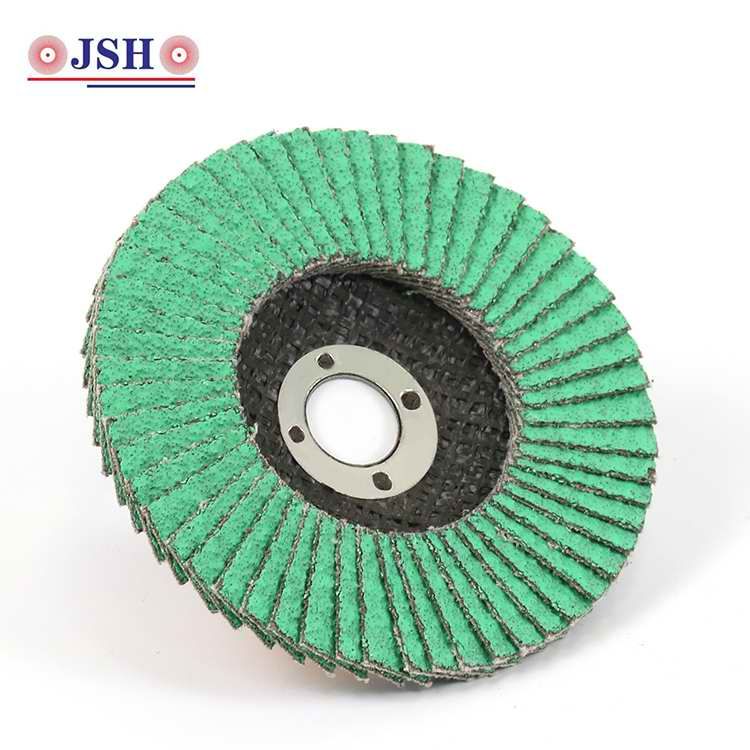
A sharp burr inside a keyway, a rough tool mark at the bottom of a narrow slot, or a little oxidation line on an aluminum groove can ruin the fit. In many workshops, people try to fix these areas with files, stones, or small sanding rolls, but it is slow and not always consistent. This is where narrow flap wheels become very practical. They can reach into tight spaces, blend surfaces smoothly, and help you control the finish without removing too much material.
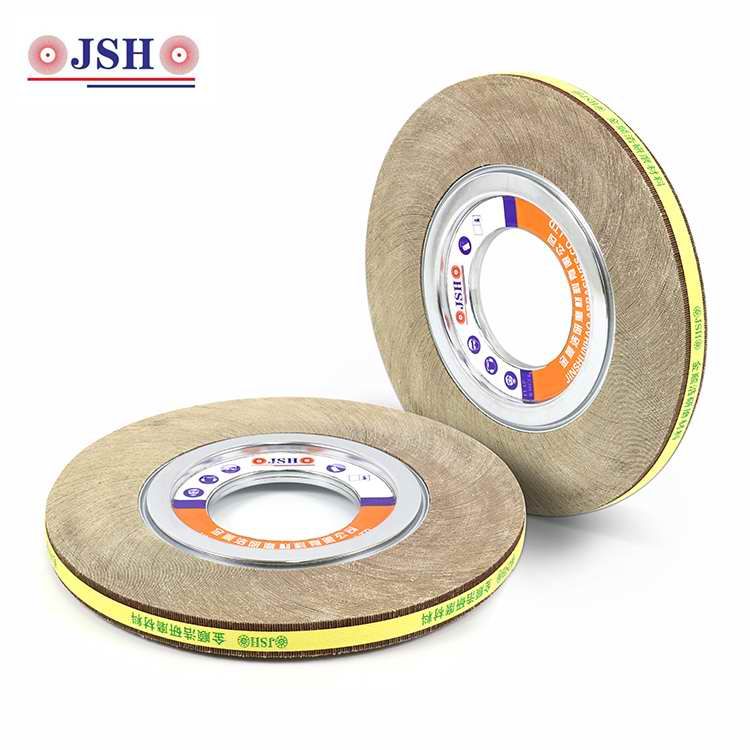
When you treat a flat surface, pressure is easy to control and the contact area is wide. A groove is different. The contact area is small, the tool tends to chatter, and heat builds fast if you stay in one spot. Another issue is geometry. A slot may have parallel walls, a rounded bottom, or a stepped design. If the abrasive is too wide, you hit the edges first and never properly touch the bottom.
A narrow flap wheel solves part of this problem because the flaps flex. Instead of one hard edge digging in, the flaps conform a bit to the groove walls. So you can do deburring, surface blending, and even light polishing inside a slot without changing the shape too much.
People often buy a flap wheel by grit only, then wonder why results vary. For groove and slot finishing, you should look at a few details.
First is width and diameter. A narrow wheel needs to fit into the slot with some clearance, not forced in. If the wheel is too tight, it will burn and wear unevenly.
Second is abrasive type. For stainless steel and carbon steel, zirconia flap wheel options usually last longer and cut faster. For aluminum or softer metals, you may prefer an aluminum oxide style to reduce loading. If you are treating cast parts with uneven surfaces, a slightly more aggressive grain helps you level the surface faster.
Third is grit range. For removing burrs and tool marks, many shops start around 60 to 120 grit. For a cleaner cosmetic look on visible grooves, 180 to 320 grit is common. If the groove is part of a sealing area or sliding fit, you may do a two step process, like 120 then 240, so the finish looks even.
In real work, the goal is usually not to make it shiny. The goal is to make it consistent, remove sharp edges, and help parts assemble easily. Here is a practical workflow many metalworking lines follow.
Start by inspecting the groove. Check where the burr is, usually at the entry edge after milling or punching. Mark the high spots if needed. Then choose a narrow wheel that matches the groove size.
Run at a moderate speed. Too high and you overheat the surface, especially on stainless. Keep the tool moving. Short passes are better than staying in one spot. If you need to treat the bottom of the slot, angle the wheel slightly so the flaps touch the bottom, but do not force it. Let the abrasive do the work.
For keyway finishing, it helps to treat the entry and exit edges first, then do a light blending pass along the full length. This reduces the chance of leaving a step line where you started.
For parts that will be coated later, like powder coating or anodizing, you want a uniform scratch pattern. A narrow flap wheel gives a more even finish than random hand filing, and it reduces rework.
Narrow flap wheels are used in many everyday production jobs. In CNC machining shops, they are used after milling to remove micro burrs in slots and channels. In sheet metal fabrication, they help clean slot edges and remove slag from laser cut grooves. In welded assemblies, they can blend inside corner grooves where a larger wheel cannot fit.
You also see them in mold and die maintenance, where small grooves collect wear marks, and in aerospace or automotive plants where surface consistency inside grooves affects assembly quality.
If you buy from an abrasive tools manufacturer that understands these applications, it is easier to match wheel size, grit, and backing to your job. Many factories also look for a stable supplier for industrial abrasives so the finish stays consistent from batch to batch.
If you notice burn marks, lower speed and reduce pressure. Heat is the enemy in narrow areas because there is less airflow. If the wheel loads up on aluminum, use a more suitable grain and consider a wheel designed for non ferrous metals. Also clean the slot before finishing. Chips stuck in the groove can cause deep scratches that look like tool marks.
Replace the wheel before it becomes too small to reach the bottom properly. Worn wheels often start polishing the edges only, and then operators over press to compensate.
Q: What are narrow flap wheels mainly used for in grooves and slots?
A: They are mainly used for deburring, smoothing tool marks, blending surfaces, and improving the finish inside narrow grooves, channels, and slots.
Q: How do I choose the right flap wheel width for a slot?
A: Pick a wheel slightly narrower than the slot so it can enter and move freely. If it is too tight, it can burn the surface and wear unevenly.
Q: Which grit is good for removing burrs in a keyway?
A: Many shops start with 60 to 120 grit for burr removal. If the burr is small, 120 grit is often enough and easier to control.
Q: What grit should I use for a cleaner, more even groove finish?
A: 180 to 320 grit is common for a more uniform look, especially when the groove is visible or needs a smoother feel.
Q: Zirconia flap wheel or aluminum oxide, which is better?
A: Zirconia flap wheel usually cuts faster and lasts longer on stainless steel and carbon steel. Aluminum oxide is often a safer choice for softer metals and general work.
Q: How can I avoid burn marks when finishing stainless steel slots?
A: Lower the RPM, reduce pressure, and keep moving. Burning often happens when the wheel is too aggressive or the tool is held in one place too long.
Q: What is a simple process for slot surface treatment?
A: Inspect the groove, remove the main burr at the entry edge, make short passes along the slot, then do a final blending pass with a finer grit if needed.
Q: Can narrow flap wheels be used after CNC machining?
A: Yes. They are commonly used in CNC machining for quick removal of micro burrs and for blending machining lines inside channels and slots.
Q: How long does a narrow flap wheel typically last?
A: It depends on material, grit, pressure, and speed. Zirconia flap wheel types often last longer on steel, while softer materials may wear the wheel differently.
Q: When should I replace a narrow flap wheel?
A: Replace it when it becomes too small to reach the groove bottom properly, when cutting speed drops a lot, or when it starts polishing edges only.
Narrow flap wheels are a practical tool for groove and slot surface treatments because they reach tight spaces and help remove burrs and tool marks with good control.
Choose a wheel that fits the slot, match the abrasive type to the material like zirconia flap wheel for steel, and keep steady movement to avoid burn and uneven wear.
For buyers who need stable quality flap wheels, JSH is worth considering as an abrasive supplier. JSH can support groove and slot work with narrow flap wheel options for different materials. Feel free to contact us to talk about your needs.