Ordering a flap wheel without enough information often means receiving a product that is close to what you need, but not quite right. The result is slower polishing, more rework and a higher cost per piece. Before you ask for a quotation, work through the topics below. Answering them first will help you get the right flap wheel on the first attempt.
The material matters because different grades behave differently under heat and pressure. Austenitic grades such as 304 and 316 are the most common, but their exact composition changes how quickly they heat up and how easily they burn.
Confirm the exact grade rather than saying only "stainless steel." The abrasive type and the recommended operating speed are both influenced by the material. A wheel that works well on 304 may still work on 316, but the settings and the grit sequence may need to be adjusted to keep the surface from overheating.
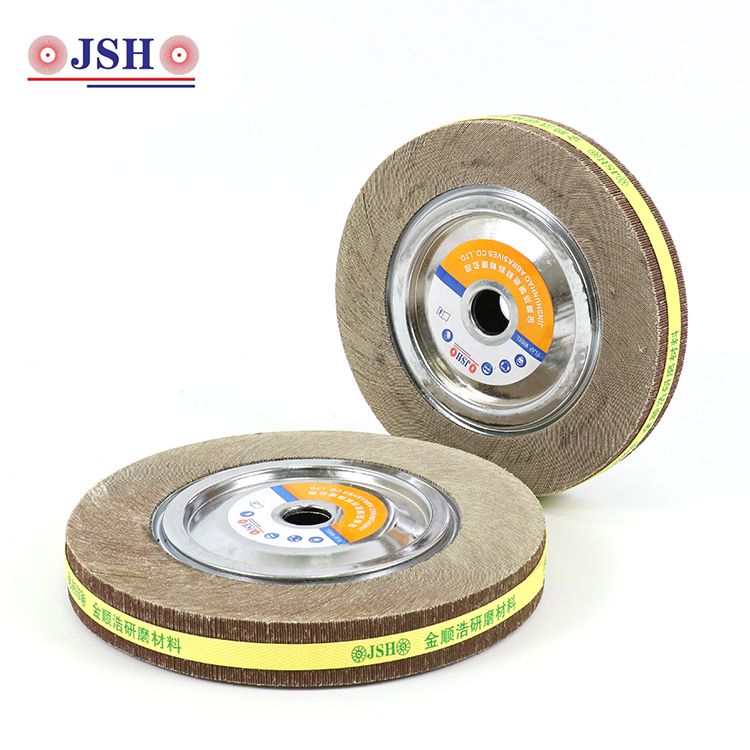
The outer diameter and wall thickness decide the wheel size and the contact area. A wheel that is too large cannot reach into tight areas, while a wheel that is too small takes too long and wears faster.
The wall thickness tells the supplier whether the pipe is thin-walled and therefore more sensitive to heat. Thin-walled stainless steel pipe distorts and discolors more easily, so the process usually needs a lighter touch and a wheel that does not build up too much heat. Providing the outer diameter, wall thickness and length together gives the supplier a clear picture of the job.
This is the most important decision for selecting the product type. Outer and inner polishing need different wheels because the working space and the chip removal conditions are different.
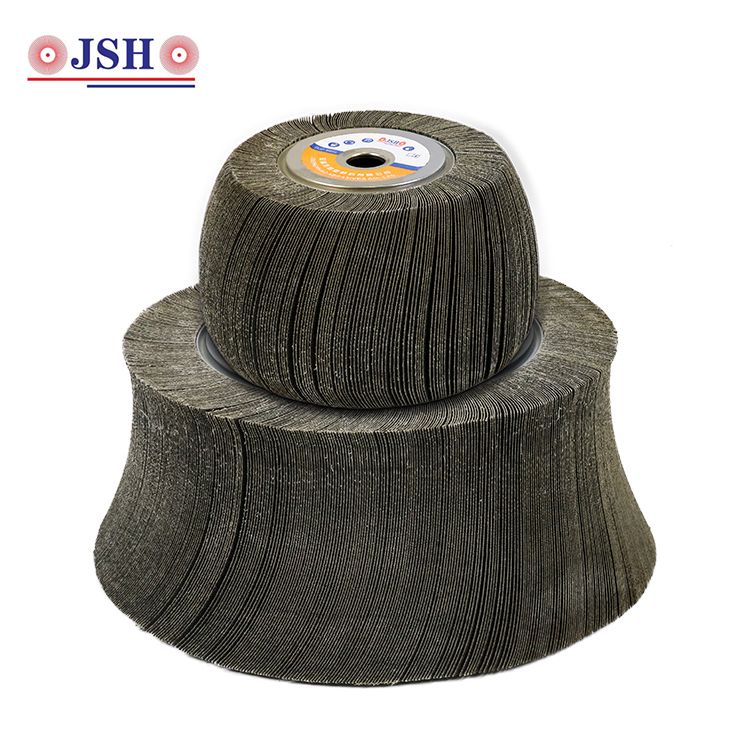
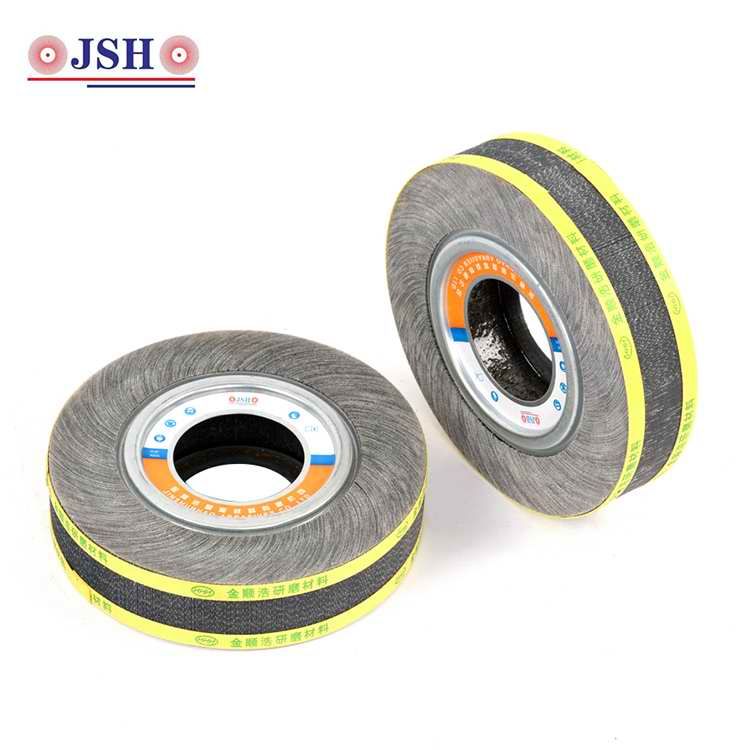
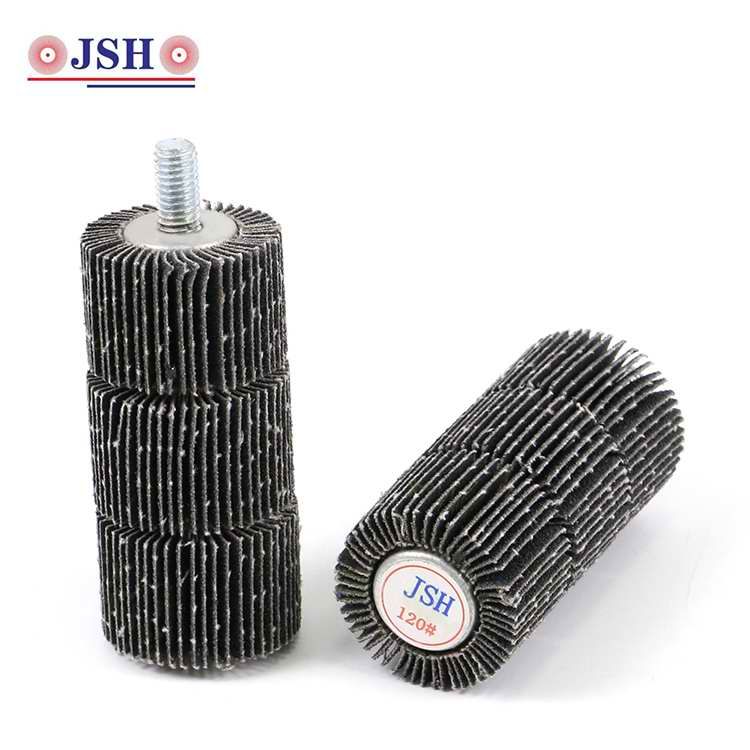
For outer wall work, the general flap wheel models are usually suitable. The Flap Wheels FW001, Flap Wheels FW002 and Flap Wheels FW003 cover common outer wall grinding and blending.
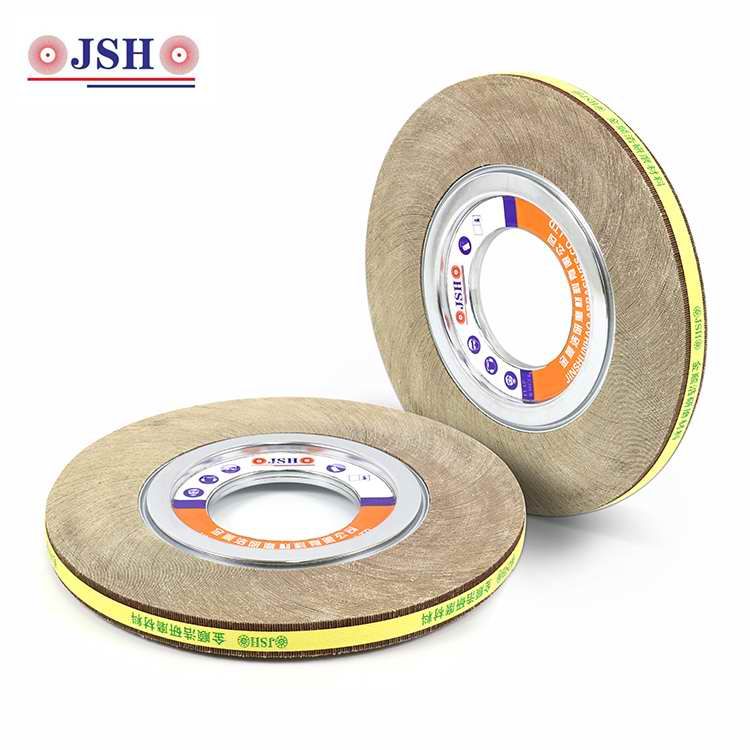
For inner work, the Inside polish Flap wheel FW005A is the product listed for polishing inside the bore. Trying to use an outer wall wheel for inner polishing usually leads to a poor fit, vibration and an uneven surface, so this distinction should be confirmed before ordering.
The required finish decides the final grit and how many stages are needed. A satin finish can stop at a medium grit, while a mirror finish needs a fine-grit final pass. Without this information, the supplier cannot build the correct grit sequence.
When customers describe the finish only as "good," the result is often a mismatch between what was delivered and what was expected. It is better to state a target surface roughness such as Ra 0.4, or a visual standard such as satin, bright or mirror. That single detail tells the supplier how far the process needs to go and which final wheel to recommend.
The wheel must match the machine's arbor, speed and power. A mismatched bore causes vibration and unsafe running, and it also shortens wheel life. The supplier needs to know the machine type, the arbor or bore size and the operating speed.
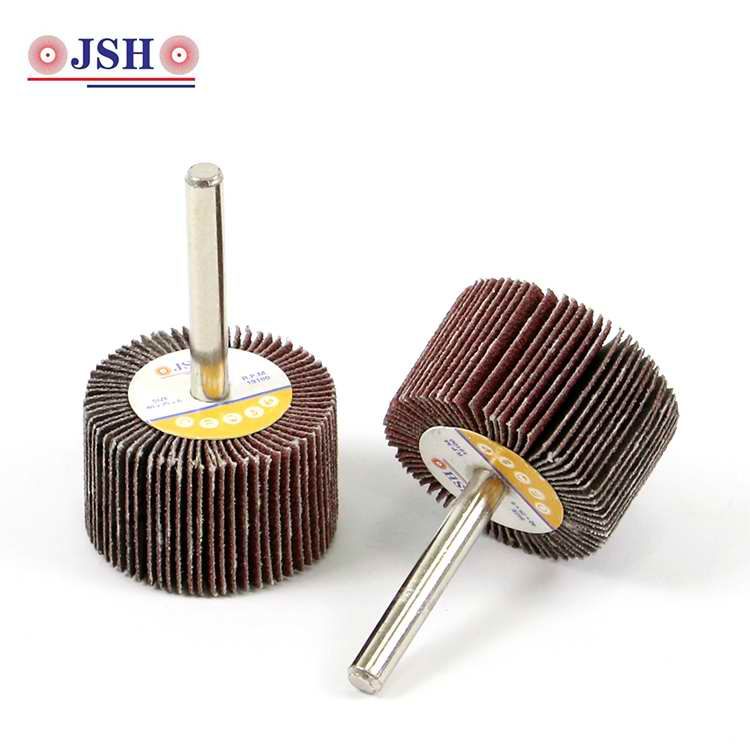
If the wheel is mounted on a shaft for detail work, the Flap wheel with shank category should be considered instead of a standard bore wheel. Confirming these details early prevents the common mistake of ordering a wheel that looks right in the catalog but does not fit the actual machine.
Standard sizes are faster to supply, but many stainless steel products are not standard round tubes. Square, oval and irregular profiles need a wheel that can follow the changing contour without over-cutting the high points.
For shaped work, a flexible wheel is needed. The Special Shaped Flap Wheel FW008 is listed for special-shaped workpieces. If the shape or size is unusual, the supplier should be asked about custom production, because a wheel made to the shape of the workpiece usually produces a better finish than forcing a standard wheel onto an irregular surface.
The order size changes the pricing and the production plan. A clear quantity helps the supplier quote accurately and reserve capacity.
For a new application, it is usually safer to start with samples before placing a bulk order, because a sample run reveals whether the wheel, grit and machine settings are right for the pipe. Once the sample is approved, the monthly or quarterly quantity and the expected delivery date allow the supplier to plan production and keep the lead time stable.
Quality should not be left to chance. A reliable supplier should be able to describe its inspection process, including incoming material inspection, adhesive testing, balance testing and finished product checks.
JSH states that it uses testing equipment for incoming inspection, adhesive tests and finished product quality, and holds ISO 9001 and ISO 14001 certifications. This matters because consistent quality across batches is what keeps a stainless steel pipe production line stable. A one-time good sample is not enough; the wheel has to perform the same way on every order.
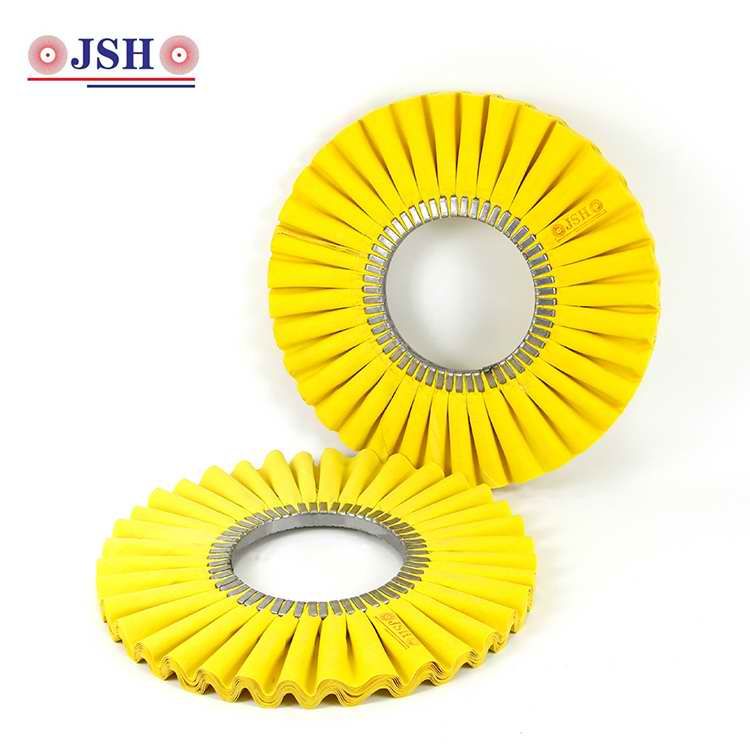
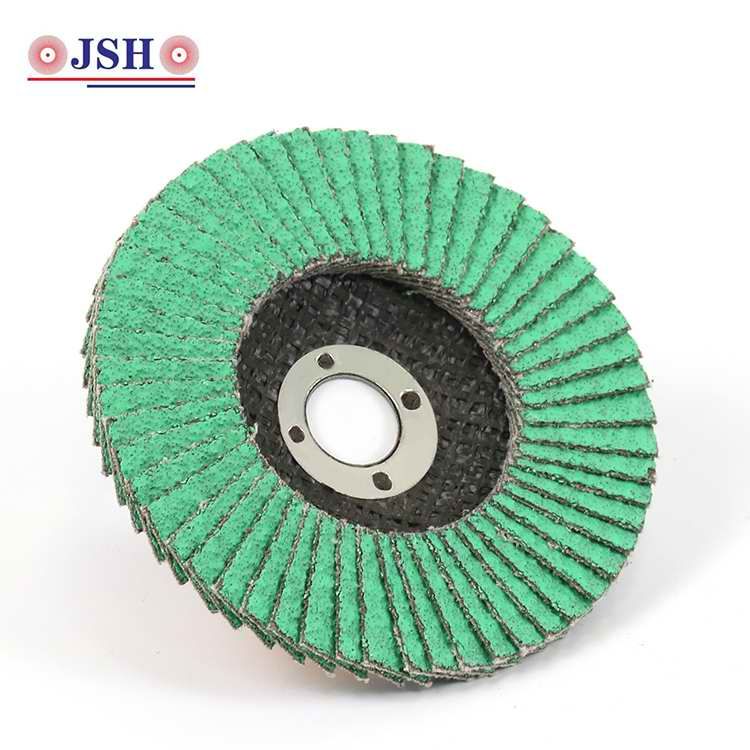
For most stainless steel pipe work, the starting point is the outer wall. The Flap Wheels FW001, Flap Wheels FW002 and Flap Wheels FW003 are the general options for grinding and blending. When the job involves the bore, move to the Inside polish Flap wheel FW005A. For irregular profiles, the Special Shaped Flap Wheel FW008 is the natural choice. Shaft-mounted detail work points to the Flap wheel with shank category, weld blending points to the Slashed Flap Wheel, and flat areas and fittings are often better handled with a Flap Disc.
Buying the right flap wheel is less about finding the lowest price and more about providing the right information. When material, pipe size, working area, finish, machine, shape, quantity and quality requirements are all confirmed, the supplier can match the correct flap wheel quickly. Keeping these points in mind before an inquiry shortens the back-and-forth, reduces the chance of a wrong order and helps control the total polishing cost.