Stainless steel is widely used in industrial equipment, automotive parts, kitchen equipment, construction materials, and precision manufacturing because of its excellent corrosion resistance and durability.
However, achieving a smooth and high-quality stainless steel surface is not always easy. One of the most common problems during grinding and finishing is the appearance of burn marks.
These dark blue, brown, or black discolorations not only affect the appearance of stainless steel products but can also reduce surface quality and increase rework costs.
Burn marks are usually caused by excessive heat during grinding. Understanding why overheating happens and choosing the right abrasive solution can help manufacturers improve efficiency, protect the workpiece, and achieve consistent finishing results.
Burn marks are heat-related discolorations that appear on stainless steel surfaces during grinding.
They occur when the temperature generated between the abrasive tool and the workpiece becomes too high.
Common signs include:
Unlike simple surface scratches, burn marks are caused by thermal damage, which means they usually require additional finishing steps to remove.
One of the most common reasons for burn marks is applying too much pressure.
Many operators increase pressure to remove material faster, but excessive force creates more friction instead of improving cutting efficiency.
High pressure can cause:
Use a balanced grinding force and allow the abrasive grains to perform the cutting.
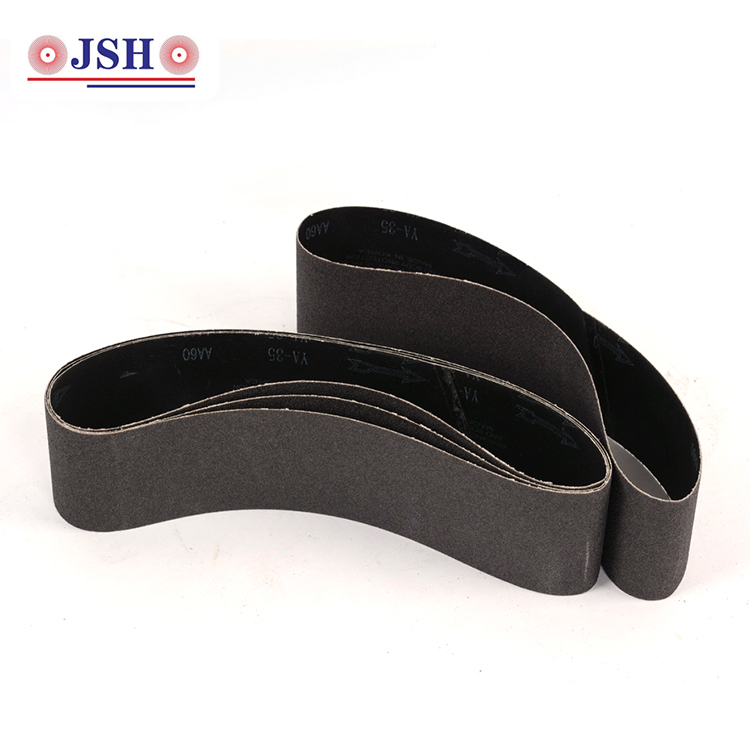
High-performance abrasive belts are designed to maintain efficient cutting action without requiring excessive pressure.
Choosing the wrong abrasive tool is another major reason for overheating.
Different grinding applications require different abrasive structures and grain materials.
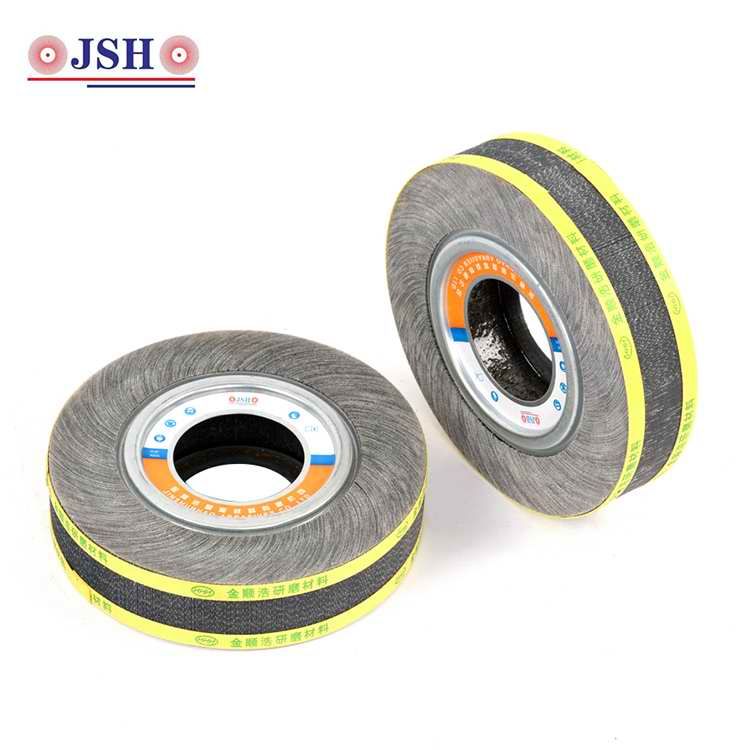
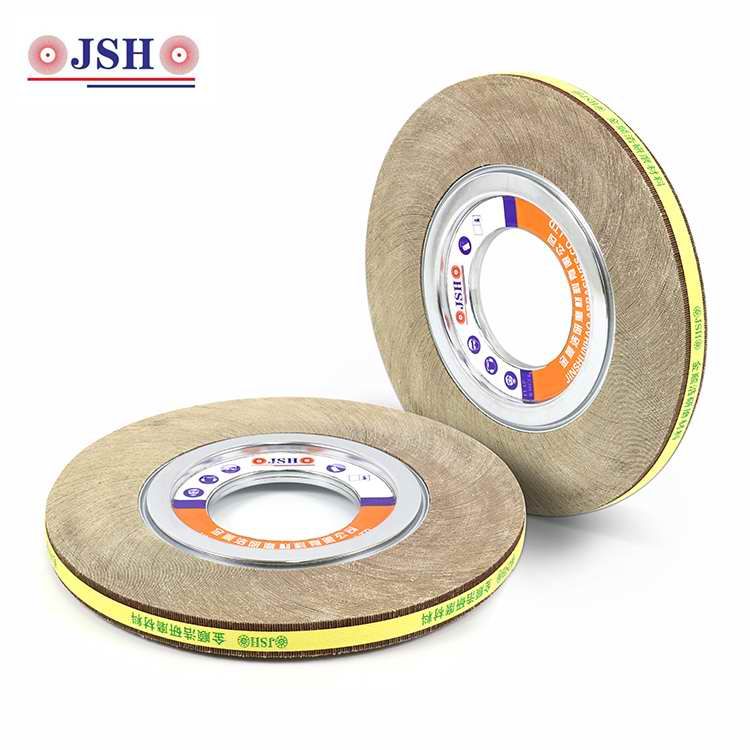
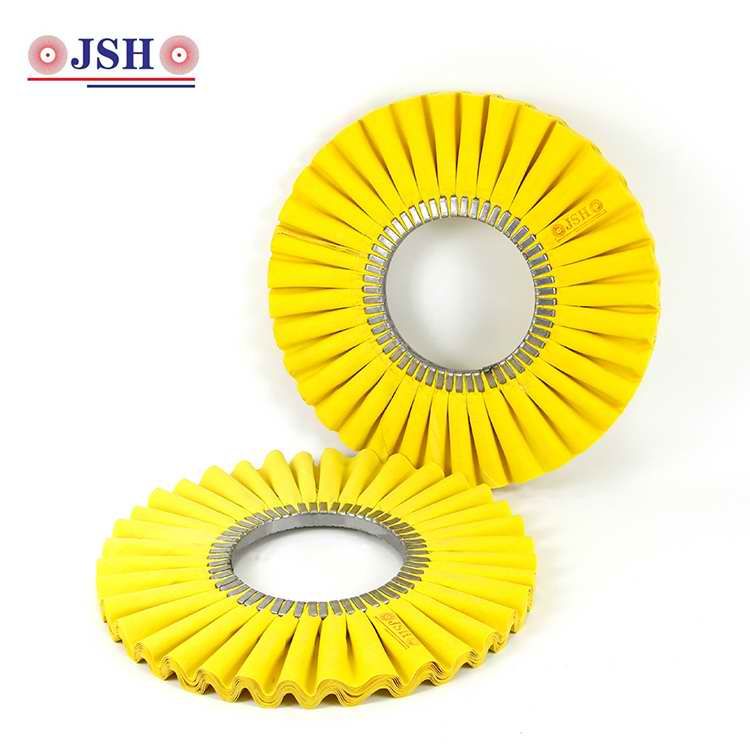
For stainless steel processing, common abrasive options include:
Using an unsuitable abrasive can lead to:
Selecting the correct abrasive product based on material and application can significantly reduce burn marks.
Grit size has a direct impact on heat generation.
A grit that is too fine may create excessive friction because it removes less material per pass.
A grit that is too coarse may create deeper scratches and require additional finishing.
General recommendations:
Choosing the right grit helps balance cutting efficiency and surface quality.
Grinding speed also affects temperature control.
When the speed is too high:
When speed is too low:
Following recommended operating parameters helps maintain stable temperatures.
A worn abrasive tool cannot remove material efficiently.
Instead of cutting, it begins rubbing against the stainless steel surface, creating additional heat.
Signs of abrasive wear include:
Regular replacement of worn abrasives helps maintain consistent grinding results.
Stainless steel requires abrasives that can withstand heat and maintain sharp cutting performance.
Using suitable abrasive belts can help manufacturers achieve faster material removal while reducing thermal damage.
For heavy grinding applications, zirconia and ceramic abrasive solutions usually provide better durability compared with general-purpose abrasives.
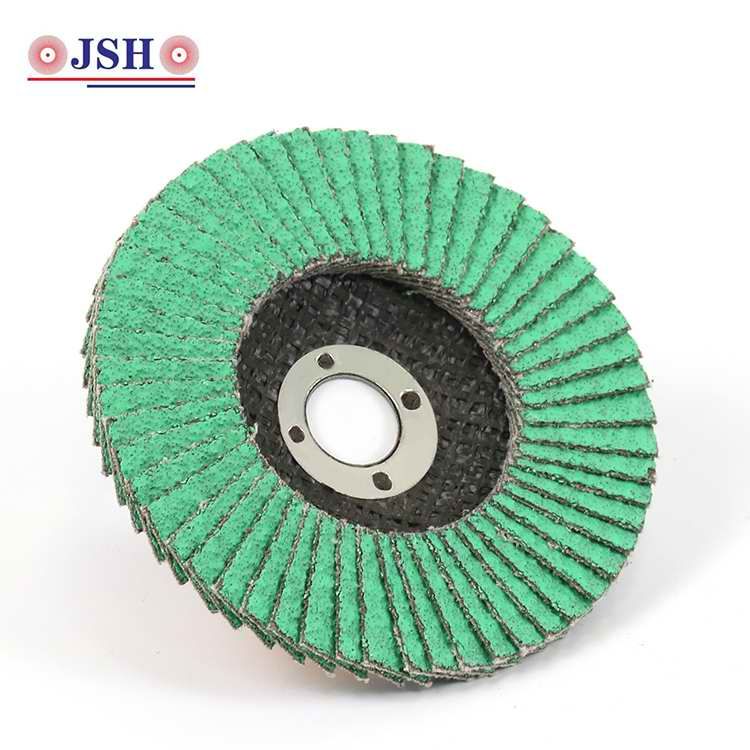
For weld removal and aggressive grinding, abrasive belts may not always be the most efficient first step.
Using flap discs can help remove excess material quickly while generating a smoother grinding action.
Benefits include:
After heavy grinding, abrasive belts can be used for refining the surface finish.
Operators can reduce burn marks by following several practices:
Proper technique is just as important as selecting the right abrasive product.
Stainless steel products often include curved surfaces, tubes, and irregular areas.
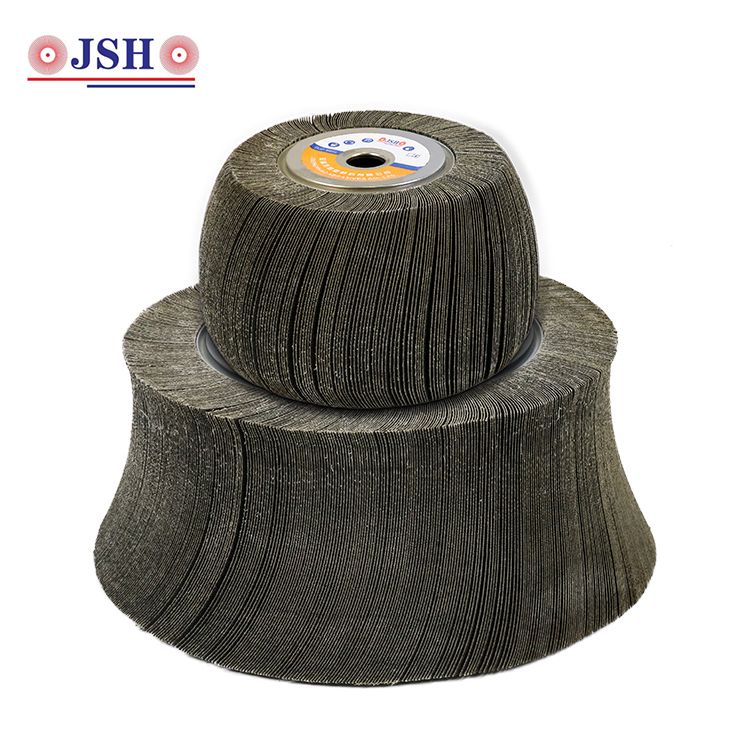
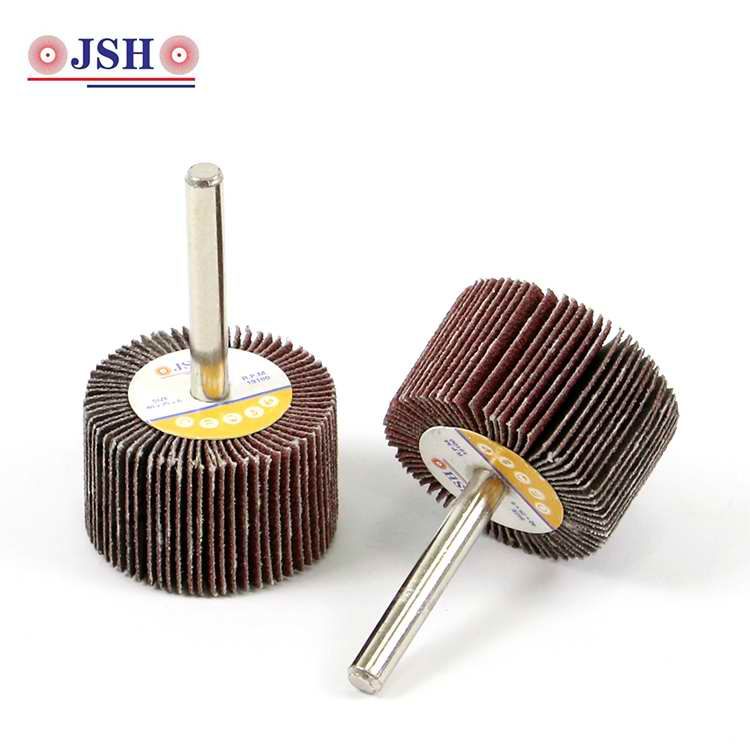
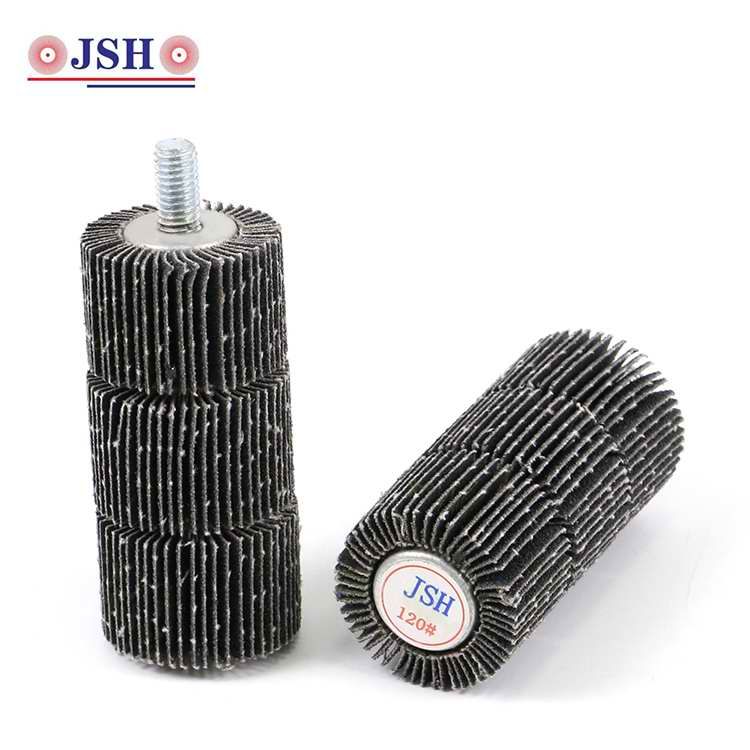
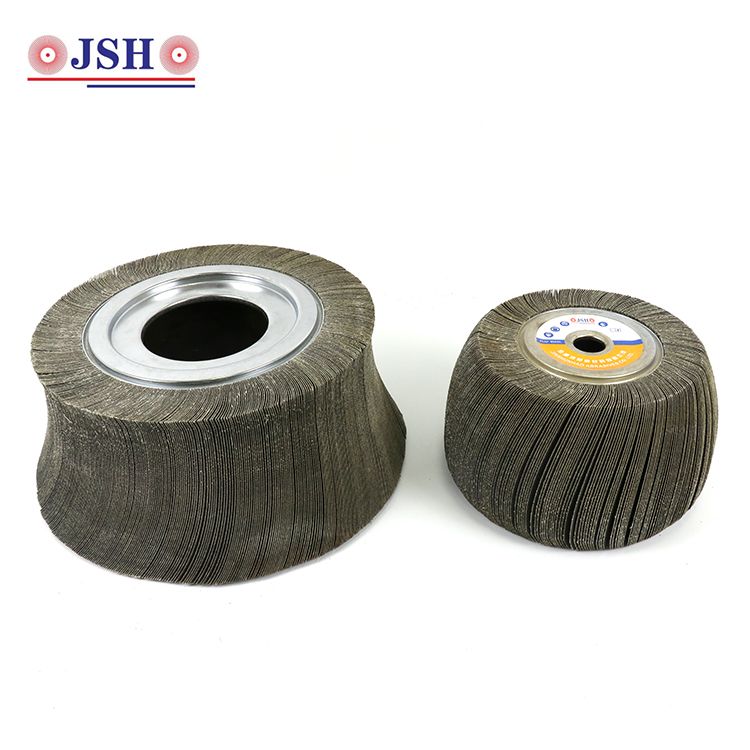
For these applications, flap wheels provide flexibility and consistent contact with the workpiece.
For internal surfaces and narrow areas, a flap wheel with shank allows easier access and improves finishing accuracy.
Using the correct abrasive tool for each application helps prevent unnecessary heat buildup.
Burn marks during stainless steel grinding are mainly caused by excessive heat, incorrect abrasive selection, high grinding pressure, and improper operating conditions.
By choosing the right abrasive products, optimizing grinding parameters, and applying proper techniques, manufacturers can reduce surface defects, improve production efficiency, and lower rework costs.
Combining high-quality abrasive belts with suitable products such as flap discs and flap wheels helps create a more reliable stainless steel finishing process with better surface quality and longer abrasive life.