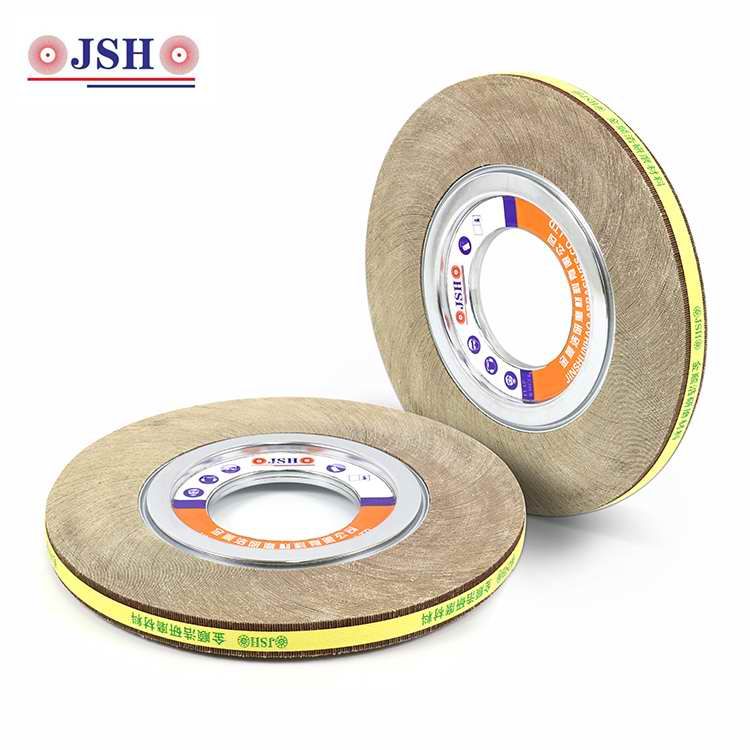
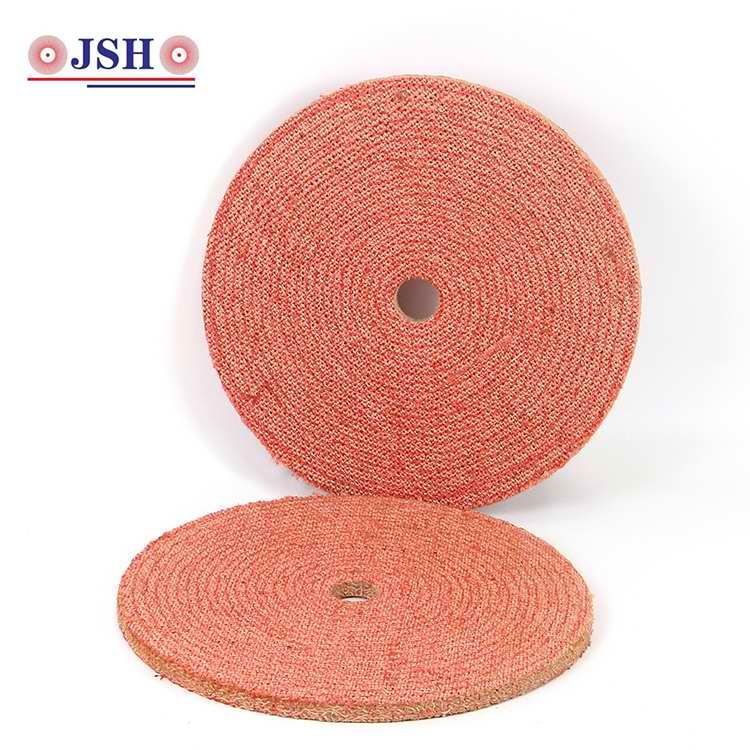
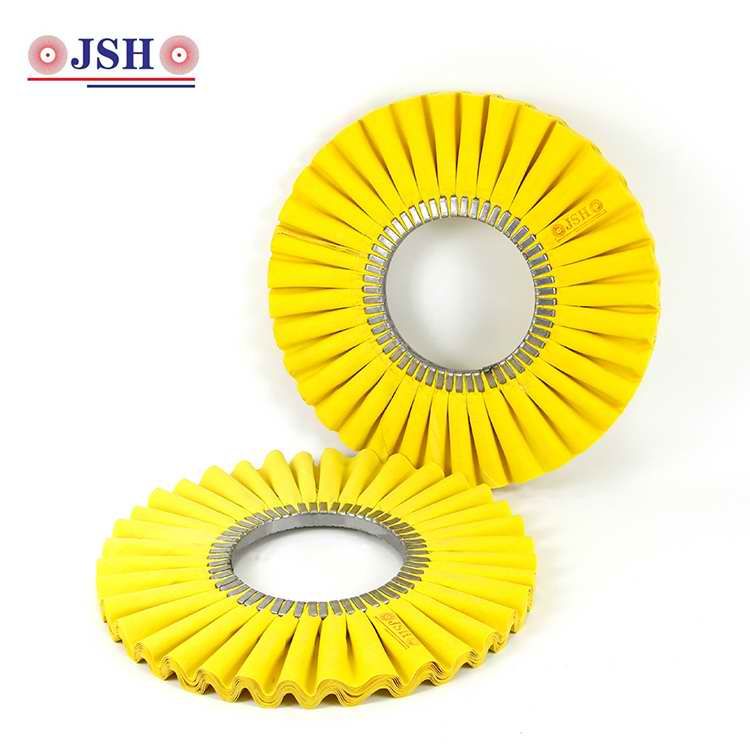
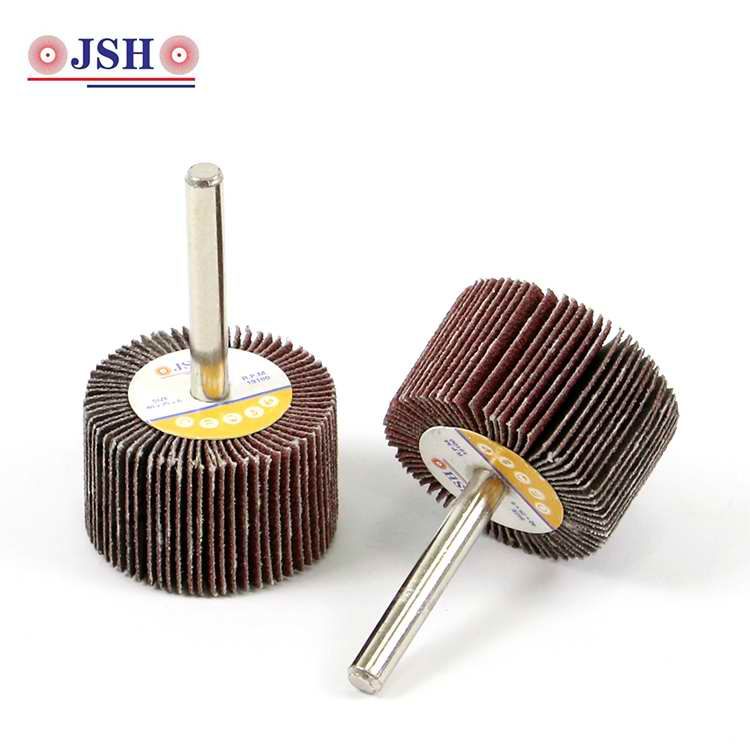
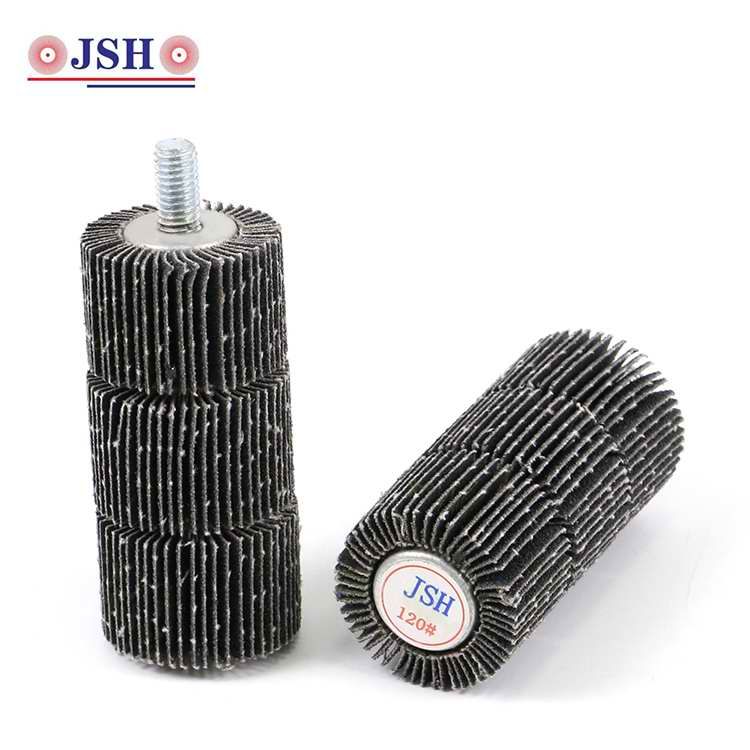
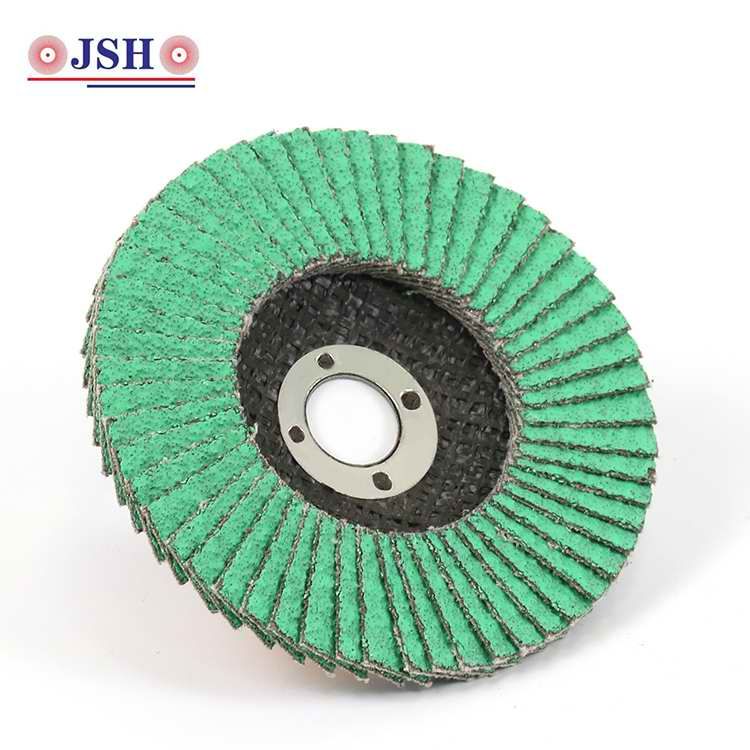
In the stainless steel tube processing industry, profit is often determined not by selling price, but by the efficiency of every cycle on the production line. Many manufacturers focus on the "unit price per wheel" when calculating costs, neglecting the core metric that truly impacts margins: cost per polished meter. When we shift our perspective from the purchasing department to the shop floor, a striking truth emerges: the hidden losses caused by poor-quality abrasives are often several times, or even tens of times, greater than their purchase price.
First, frequent wheel changes directly reduce Overall Equipment Effectiveness (OEE). Suppose a production line is scheduled to run for eight hours per day. If a certain flap wheel needs to be replaced every 30 minutes, and each replacement takes five minutes, this alone consumes over one hour of effective production time daily. More importantly, frequent starts and stops lead to additional wear on spindle bearings and disrupt the rhythm of upstream and downstream processes. When integrated with automated loading and unloading systems, the frequency of manual intervention rises sharply.
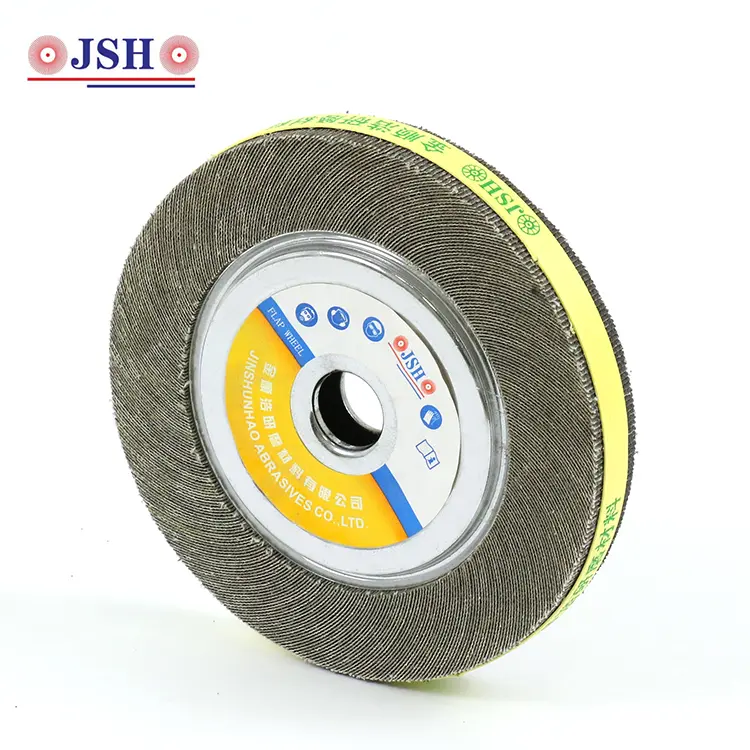
Second, low cutting efficiency drives up both energy and labor costs. A low-performance flap wheel generates excessive friction heat on the stainless steel surface. This not only risks causing "temper color" or minor surface fusion, forcing rework, but also requires the operator to apply greater downward pressure, accelerating equipment fatigue. In large-scale tube processing, this inefficiency often requires additional workstations or extended shift hours to achieve the same output, directly increasing the processing cost per ton of tube.
Therefore, truly cost-conscious factory managers should decisively shift from a "single-piece purchase price" mindset to a "comprehensive cost per polished meter" evaluation system.
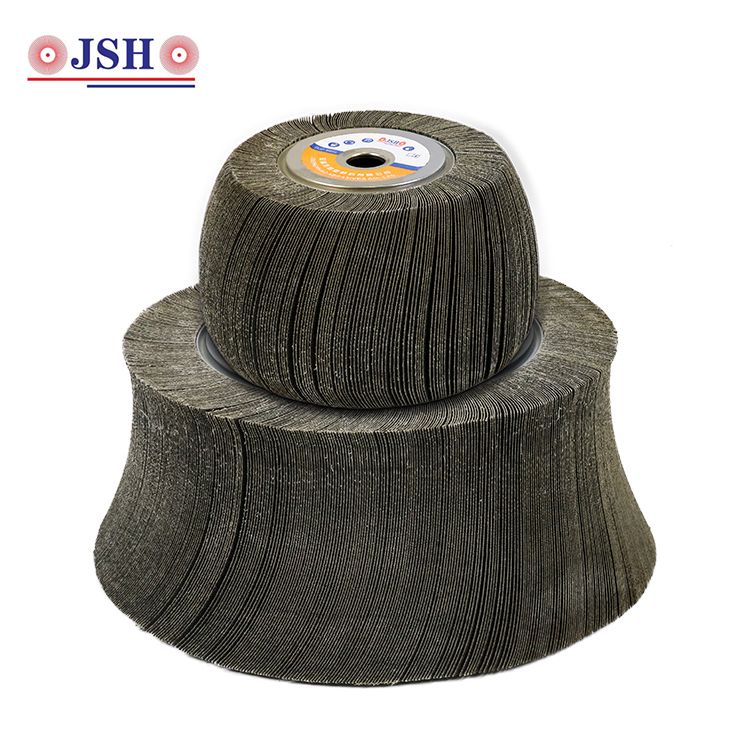
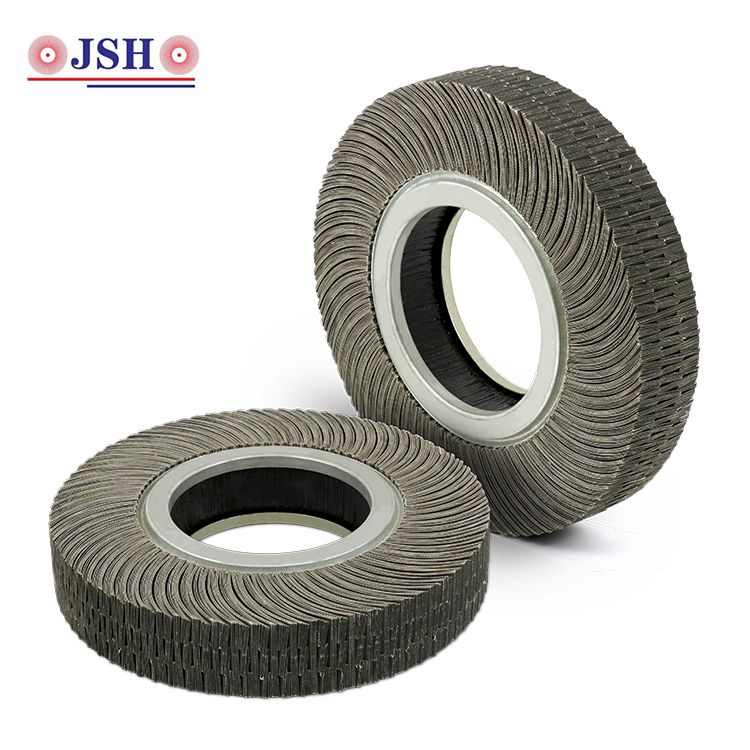
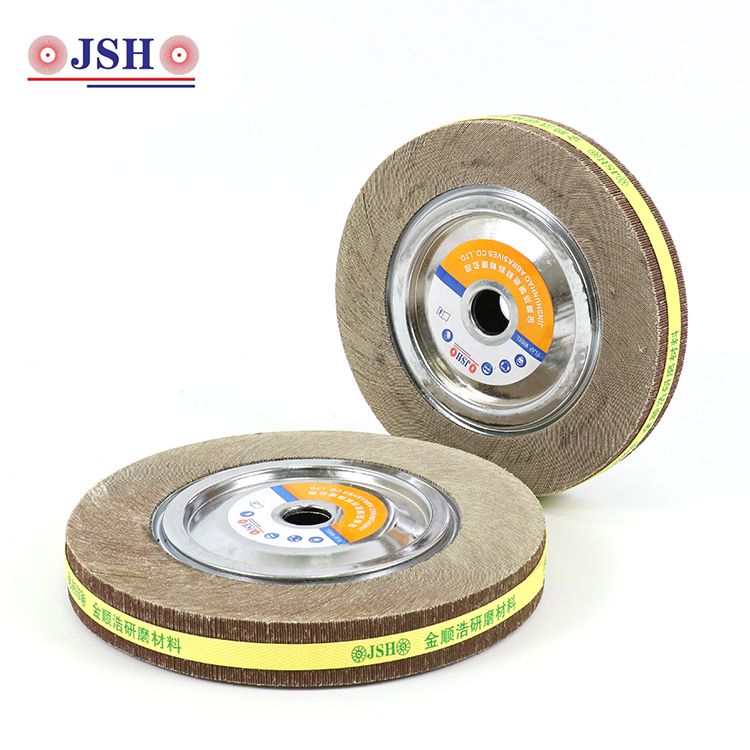
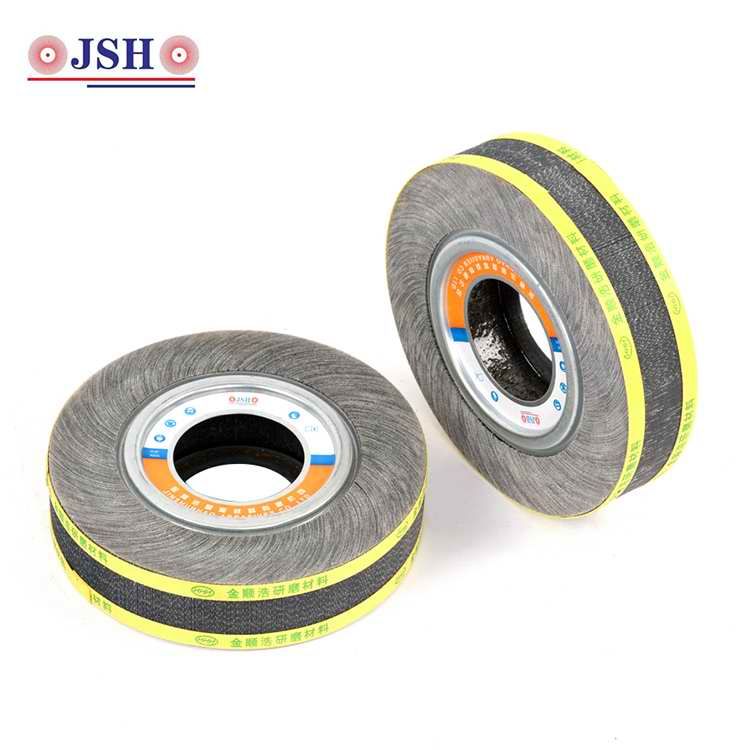
The key to overcoming this challenge lies in the material science of the abrasive itself. Taking the representative JSH brand sanding cloth as an example, its value proposition is very clear: it does not pursue extreme single-pass cutting speed, but rather achieves the optimal engineering balance of "fast enough and long enough."
JSH sanding cloth uses a carefully formulated blend of zirconia alumina and ceramic abrasives, with a backing treatment that enhances chip carrying capacity for tough stainless steel swarf. Real-world test data shows that, compared to standard domestic sanding cloth, JSH delivers approximately 22% higher initial cutting efficiency on outer diameter polishing of 304 stainless steel square tubes, while extending service life by over 45% (under identical linear speed and pressure conditions). What does this data mean for large-scale production?
More than 50% reduction in wheel changes: A production line producing 10 tons of tube per shift that previously required 12 wheel changes per shift can reduce this to fewer than 5 shifts per shift with JSH, saving over 70 minutes daily in changeover and adjustment time.
Significant reduction in manual intervention: Operators are freed from repetitive "stop-change-test" cycles, allowing them to focus on quality inspections and production line anomaly handling. This not only increases personnel value but also reduces safety risks caused by fatigue-related operational errors.
More uniform flap wheel consumption: The high-quality backing and abrasive layer bond strength prevent premature failure where "the abrasive is still sharp but the backing has already torn," avoiding quality incidents where large fragments detach and damage the tube surface.
A simple cost calculation: if a mid-range flap wheel costs 55(orRMBequivalent)andlastsfor300metersoftube,whilealow−endwheelcosts55(orRMBequivalent)andlastsfor300metersoftube,whilealow−endwheelcosts35 but only processes 130 meters, the abrasive cost per meter is 0.183fortheformerand0.183fortheformerand0.269 for the latter. Adding the additional downtime and labor costs consumed by the low-end wheel, the actual gap widens to over 45%. This is precisely why, the larger the scale of tube processing, the more actively companies choose high-performance products like JSH.
However, an excellent abrasive formula, if not manufactured with consistent control, remains just a laboratory ideal. This is where the strategic value of introducing an ERP management system for flap wheel manufacturers becomes evident.
From raw material receiving, every batch of JSH sanding cloth – including abrasive grain size, backing tensile strength, and resin lot number – is logged into the ERP system. Key production parameters, such as mixing time, drying temperature curve, and molding pressure, undergo real-time data collection and SPC (Statistical Process Control) monitoring. If any parameter deviates, the system immediately locks the batch and triggers a quality review process. The benefits of this digital management are directly passed on to the customer:
Predictable performance: When a customer uses the 1000th JSH flap wheel, the difference in cutting force and service life compared to the 1st wheel is less than ±5%. This is extremely important in continuous production – process engineers do not need to repeatedly adjust linear speed or compensation, avoiding costly trial-and-error.
Stable pricing: Raw material price fluctuations are common in the abrasives industry. However, by using the ERP system for precise Material Requirements Planning (MRP) and inventory aging analysis, JSH can lock in long-term agreements for key abrasives and backings, smoothing out short-term market shocks. Customers therefore do not have to face frequent "price adjustment letters" from suppliers, which helps stabilize their own pricing to downstream clients.
Full traceability: If a batch shipped to a customer in Europe or Southeast Asia raises any quality issue, even six months later, the factory can trace back to the operator, equipment, and raw material batch number from that day within 10 minutes. This is a hard requirement for stainless steel tube manufacturers needing ISO or PED certifications.
An ERP-driven manufacturing system essentially transforms "quality stability" from a slogan into a quantifiable, auditable, and continuously improving daily mechanism.
When discussing high-performance abrasives, many people instinctively think of German or Japanese brands. However, the Taiwan region has accumulated world-class coated abrasive manufacturing and precision processing capabilities over the past two decades. The parent company of the JSH brand has been a participant and driver of this history.
At the Taiwan-based production and R&D center, engineers have long faced the world's most demanding orders for stainless steel tubes – from European architectural mirror-finished tubes to North American food-grade sanitary tubes, where surface quality requirements leave little room for compromise. Twenty years of hands-on experience have given the JSH team a deep understanding of the unique challenges of stainless steel tube processing in different regions:
European market: Emphasizes environmental protection and occupational health, with strict limits on grinding dust, noise, and heavy metal content in abrasives. JSH has modified its bonding agents and active fillers to reduce dust generation while maintaining cutting power.
American market: Focuses on single-station throughput and tool compatibility. JSH has optimized the dynamic balance grade of its flap wheels for high-power, long-shaft American-style polishing machines, reducing vibration and extending spindle life.
Southeast Asian market: High humidity and heat, combined with widely varying surface conditions of incoming tubes. JSH's moisture-resistant packaging and humidity-resistant formulation effectively prevent the common problem of flap wheels "softening due to moisture absorption" in warehouses.
In a real-world application case, a major stainless steel welded tube manufacturer in Vietnam switched from a Japanese brand to JSH flap wheels. The result was a 31% reduction in total abrasive costs, while the finished surface roughness stabilized from Ra 0.8μm down to below 0.4μm. This enabled them to successfully enter the extremely demanding South Korean electronics industry supply chain. In Poland, a tube processing company using JSH products reduced wheel change frequency from 10 times per shift to just 3 times, boosting OEE (Overall Equipment Effectiveness) from 67% to 82%.
These cases collectively validate one fact: stable manufacturing experience from Taiwan, combined with deep insight into global markets, enables JSH to offer a value proposition far more competitive than mere "low price" – producing more and better stainless steel tubes with fewer wheels.
Stainless steel tube production is a long value chain, from billet rolling to final polishing and packaging. An efficiency shortfall in any single link will drag down the final return on investment. A high-performance flap wheel may seem like just a consumable, but in reality, it acts as the "takt time controller."
Choosing flap wheels made with JSH sanding cloth allows manufacturers to:
Significantly reduce unit polishing costs – by achieving an engineering balance of long life and high efficiency, avoiding the trap of "cheap products becoming more expensive."
Stabilize production line rhythm and labor load – by reducing wheel changes and unplanned downtime, making production schedules truly controllable.
Obtain traceable quality assurance – through full process control supported by the ERP system, eliminating the frustration of inconsistent performance between batches.
Leverage 20 years of global experience – without needing to invest in their own trial-and-error process, standing directly on the shoulders of mature technology and management systems.
In today's increasingly competitive market, the processing profit per ton of stainless steel tube may be only a few tens of dollars. By optimizing abrasive selection, manufacturers can easily recover tens of dollars of profit per ton that were previously eaten away by poor-quality abrasives – without additional equipment investment or extended working hours. This is not just cost saving; it is building an efficiency moat that competitors will find difficult to copy in a homogenous market.
Ultimately, the companies that can accurately calculate "cost per polished meter" and translate the theoretical advantages of high-performance abrasives like JSH into daily production gains will be the true winners in the future stainless steel tube industry. The flap wheel is small, but the economic impact it leverages is enough to determine a factory's survival and success through industry cycles.