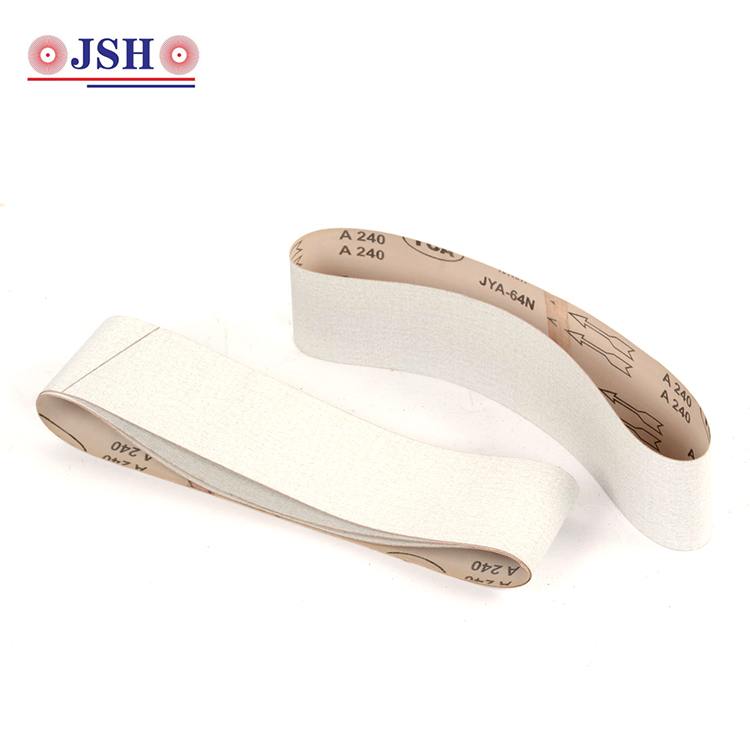
Abrasive belts are widely used in metal fabrication, stainless steel processing, woodworking, and industrial surface finishing. They play a critical role in grinding, deburring, blending, and polishing applications, helping manufacturers achieve consistent surface quality and efficient material removal.
However, many workshops and factories encounter the same issue: abrasive belts wear out much faster than expected. Frequent belt replacement increases operating costs, interrupts production schedules, and reduces overall efficiency. While many users assume that short belt life is caused by poor product quality, the reality is often more complex.
Factors such as improper belt selection, excessive grinding pressure, machine settings, heat buildup, and maintenance practices can all significantly impact abrasive belt performance. Understanding these factors can help manufacturers extend belt life, improve productivity, and lower total grinding costs.
This guide explores the most common reasons abrasive belts wear out prematurely and provides practical solutions to maximize their service life.
Every abrasive belt is designed to gradually wear as abrasive grains remove material from the workpiece. This process is normal and necessary for effective grinding.
However, premature wear occurs when the belt loses cutting performance long before reaching its expected lifespan.
Common signs include:
Using high-quality abrasive belts is important, but operating conditions play an equally important role in determining overall lifespan.
One of the most common reasons abrasive belts fail early is excessive grinding pressure.
Many operators mistakenly believe that applying more force will increase material removal rates. In reality, excessive pressure often creates unnecessary friction and heat while accelerating abrasive grain wear.
Allow the abrasive grains to perform the cutting action. Modern abrasive materials are engineered to cut efficiently without excessive force.
Maintaining moderate and consistent pressure typically delivers:
Operator training can have a significant impact on abrasive consumption and overall production costs.
Not all abrasive belts are suitable for every application.
Different materials require different abrasive grain types, backing constructions, and coating technologies.
For example:
| Material | Recommended Abrasive Type |
|---|---|
| Carbon Steel | Aluminum Oxide |
| Stainless Steel | Zirconia or Ceramic |
| Aluminum | Anti-Loading Abrasives |
| Titanium | Ceramic Abrasives |
| Wood | Aluminum Oxide |
Using a general-purpose belt for heavy stainless steel grinding can result in excessive heat, glazing, and rapid wear.
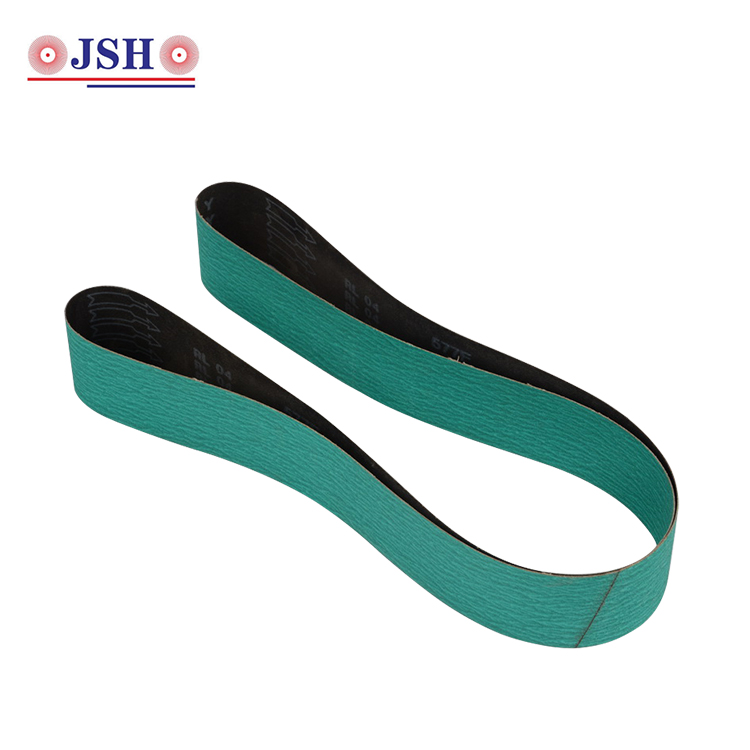
Manufacturers working with stainless steel should consider specialized sanding belts for stainless steel that are designed to withstand higher grinding temperatures and maintain cutting performance for longer periods.
Proper belt selection often delivers greater improvements than simply increasing grinding pressure or machine speed.
Heat is one of the biggest factors affecting abrasive belt performance.
As grinding temperatures increase, abrasive grains lose efficiency and bonding materials begin to weaken.
Common consequences include:
Stainless steel fabrication is particularly susceptible to heat-related grinding issues.
Several methods can help control grinding temperatures:
For demanding metalworking applications, zirconia abrasive belts provide excellent heat resistance and maintain aggressive cutting action throughout their service life.
Lower operating temperatures not only extend belt lifespan but also improve finished product quality.
Belt loading occurs when material particles become trapped between abrasive grains.
This problem is especially common when processing:
When loading occurs, the belt begins rubbing against the workpiece rather than cutting it.
Manufacturers can reduce loading by:
Preventing clogging helps maintain consistent grinding performance and extends belt life significantly.
Belt speed has a major influence on grinding performance.
Operating outside the recommended speed range can reduce productivity and shorten abrasive lifespan.
Potential issues include:
Potential issues include:
Manufacturers should always follow speed recommendations based on the belt type and application.
Small adjustments can often improve both productivity and abrasive utilization.
Many companies focus on machine performance while overlooking abrasive storage practices.
Improper storage can damage abrasive belts before they are even used.
For optimal performance, abrasive belts should be stored:
Proper storage helps maintain backing flexibility, adhesive strength, and overall durability.
Machine condition plays a critical role in abrasive belt performance.
Poor alignment or worn machine components can create uneven belt wear and significantly reduce service life.
Regularly inspect:
Routine maintenance can improve grinding consistency while extending abrasive belt lifespan.
Another common mistake is relying solely on abrasive belts for every grinding operation.
Different abrasive products are designed for different tasks, and using the right product at each stage can reduce belt consumption and improve overall efficiency.
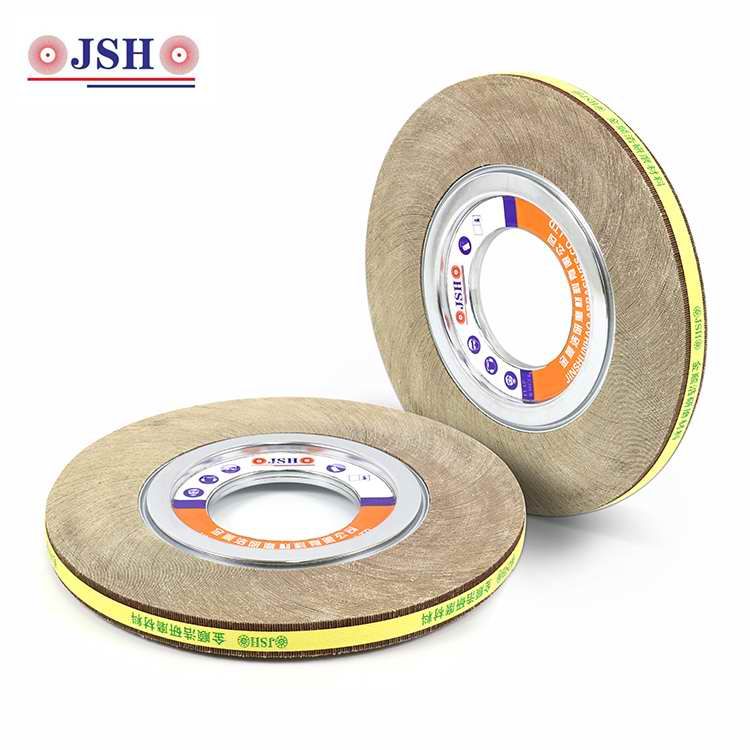
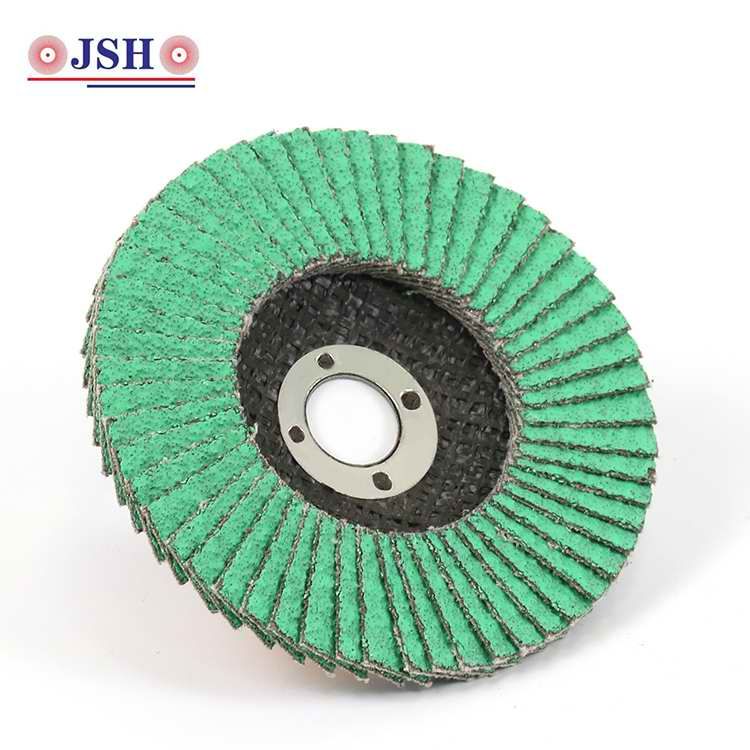
For aggressive weld removal and heavy stock removal, many fabricators begin with flap discs. These products remove material quickly and reduce the workload placed on abrasive belts during later finishing operations.
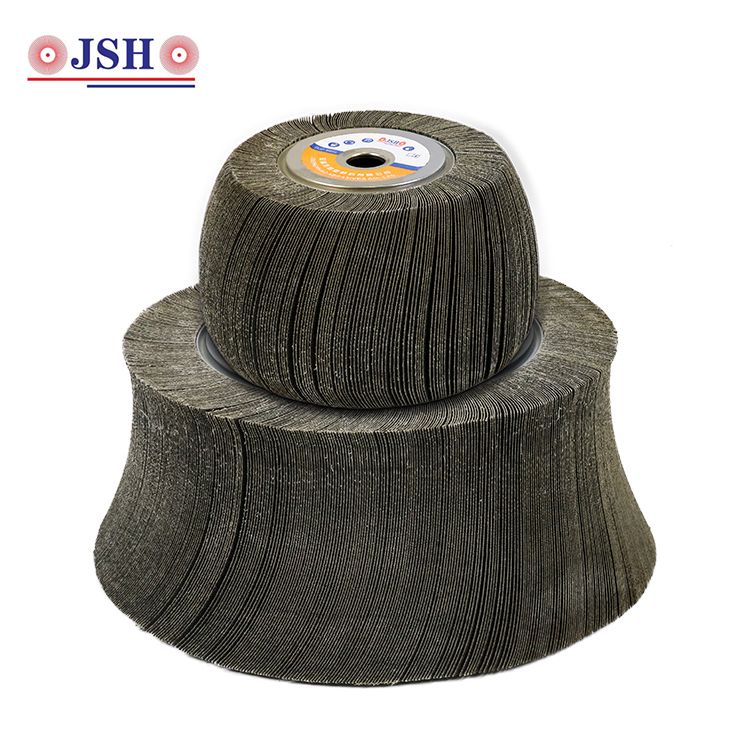
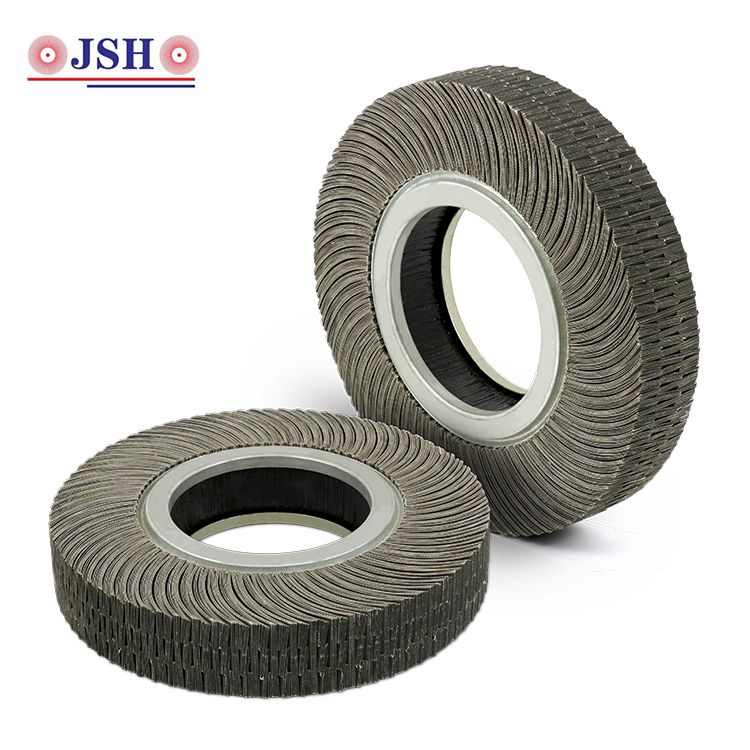
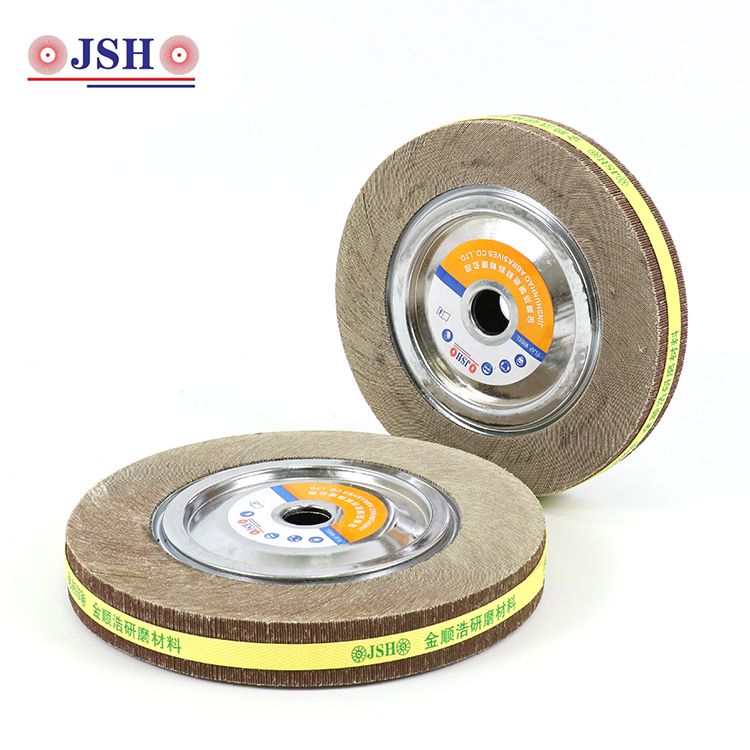
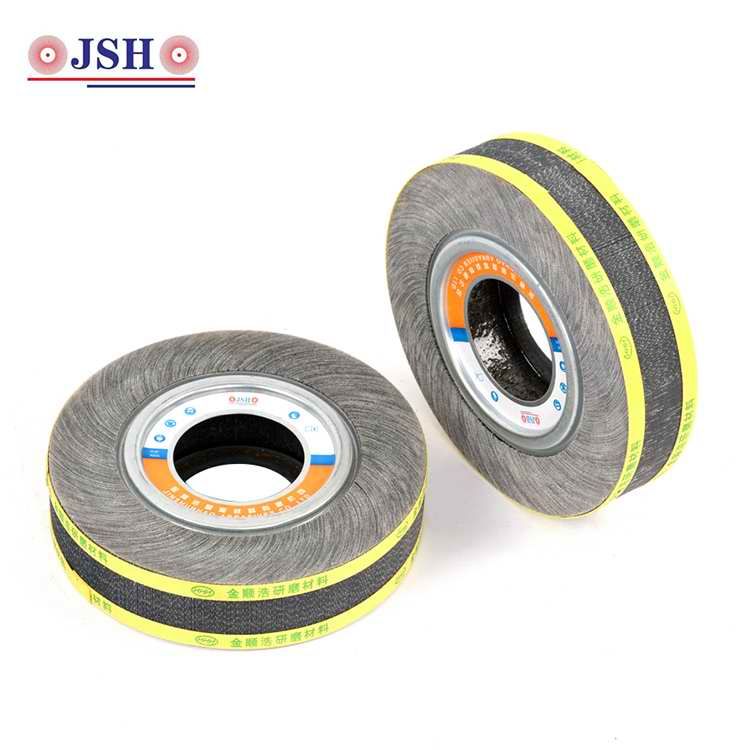
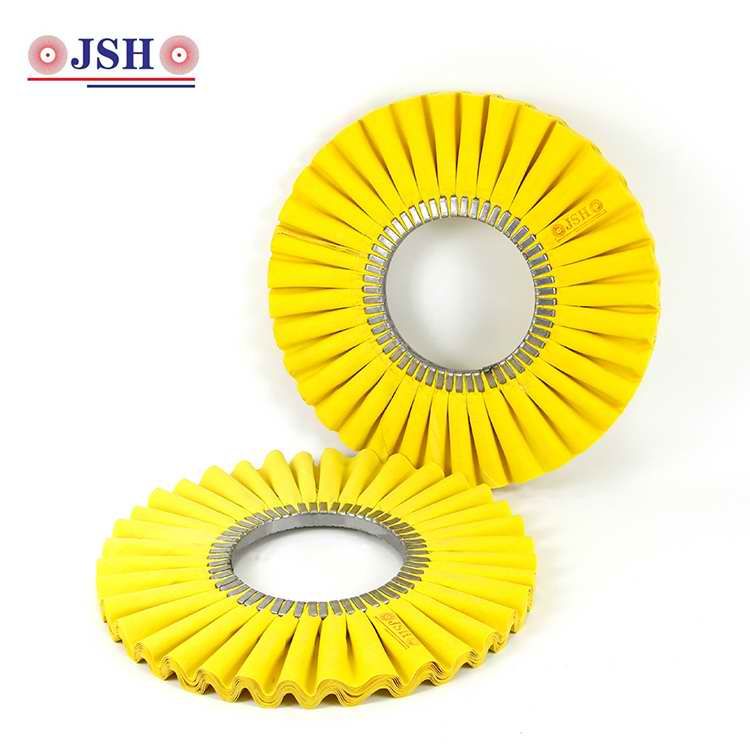
When working with curved surfaces, stainless steel tubes, handrails, and irregular workpieces, flap wheels provide a more flexible grinding solution and help achieve a smoother finish.
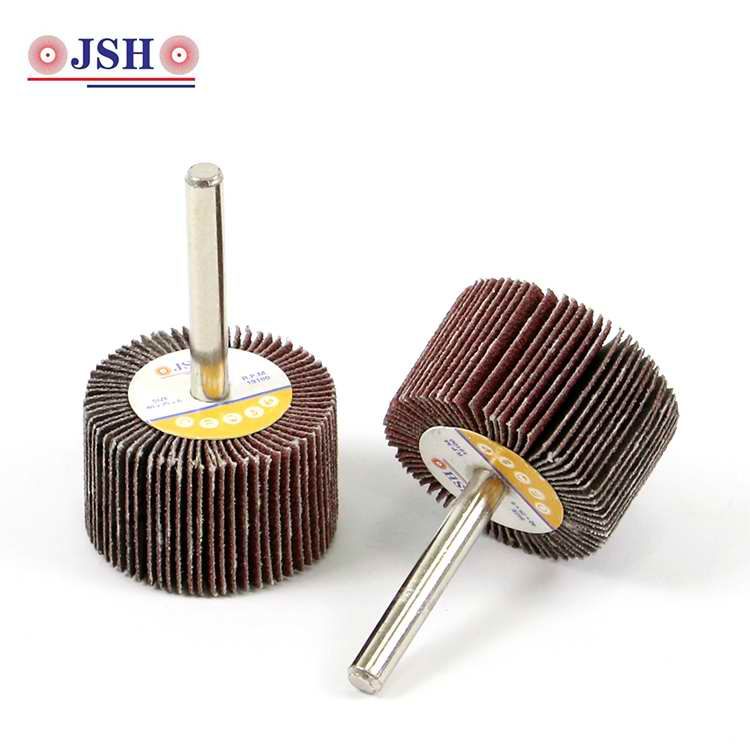
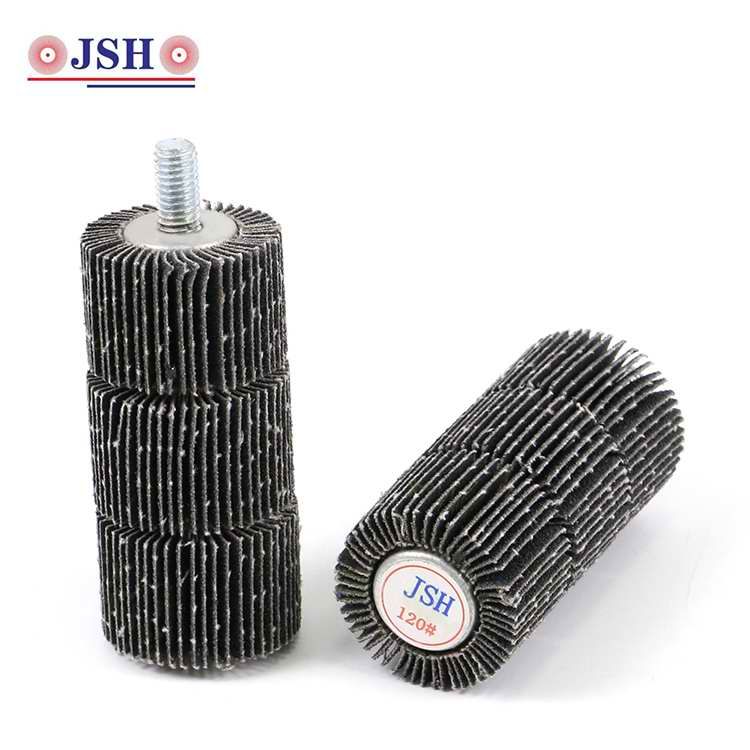
For internal polishing, pipe finishing, and hard-to-reach areas, a flap wheel with shank offers greater accessibility and precision while maintaining consistent finishing quality.
Combining multiple abrasive products throughout the production process often delivers better results than relying on a single grinding tool.
Before Grinding:
During Grinding:
After Grinding:
These simple practices can significantly reduce abrasive consumption while improving productivity and surface quality.
Premature abrasive belt wear is rarely caused by a single factor. More often, it results from excessive grinding pressure, improper abrasive selection, heat buildup, loading, poor storage conditions, or machine maintenance issues.
By understanding these common causes and implementing appropriate corrective measures, manufacturers can extend belt life, reduce downtime, improve surface finishing quality, and lower overall operating costs.
Investing in high-quality abrasive belts and using complementary products such as flap discs, flap wheels, and flap wheel with shank can help create a more efficient grinding process and deliver long-term productivity gains for manufacturers across a wide range of industries.